Ottawa Races to Protect Key Industries Amid Global Economic Uncertainty
- Kingston Bailey
- Canada
- May 14, 2026
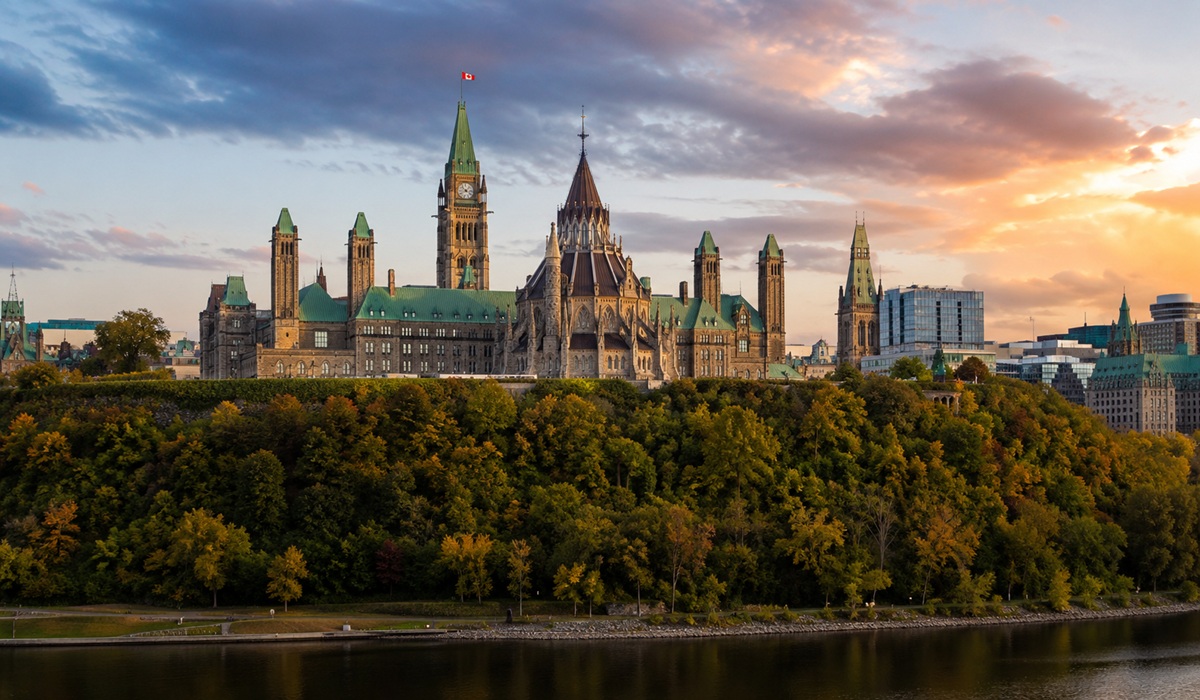
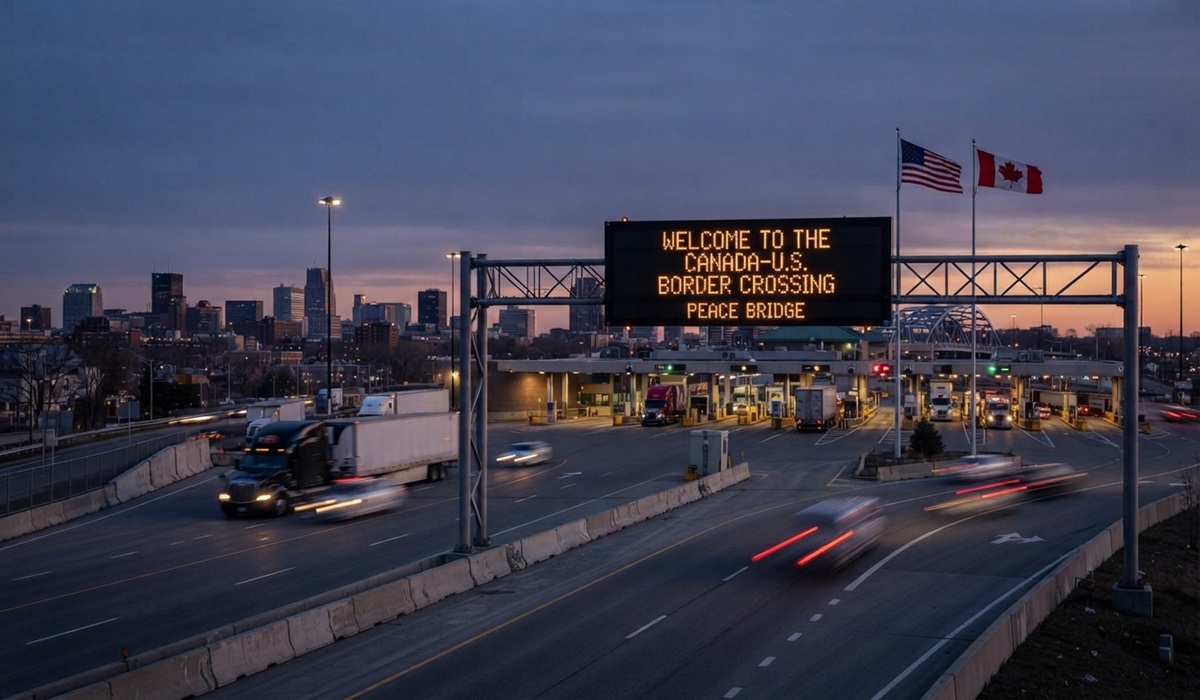
The federal government is accelerating efforts to stabilize several major sectors of the economy as international trade tensions and global market instability continue creating uncertainty for businesses across the country. Ottawa recently unveiled additional financial measures designed to support manufacturers, exporters, and transportation companies facing rising operational costs tied to tariffs, supply-chain disruptions, and weakening international demand.
Officials say the objective is not only to protect jobs in the short term, but also to prevent long-term damage to industries that remain critical to national growth. Steel producers, aluminum operations, forestry companies, agricultural exporters, and logistics firms are among those expected to benefit from expanded financing and relief programs as concerns continue building over slower economic activity heading deeper into 2026.
Business leaders throughout several provinces have warned that prolonged uncertainty is beginning to affect investment confidence. Some companies are reportedly delaying expansion projects while others are reassessing hiring plans until there is greater clarity surrounding international trade negotiations and broader economic conditions. Economists say the pressure is especially severe for businesses dependent on exports to the United States, where shifting tariff policies and fluctuating demand continue affecting long-term planning.
At the same time, immigration policy is increasingly becoming part of the broader economic conversation. Federal officials are examining ways to strengthen labour force participation through targeted skilled-worker programs while also addressing shortages in construction, transportation, healthcare, and manufacturing. The discussion is evolving beyond population growth alone and is now being framed as a strategy to improve productivity and economic resilience during a period of global instability.
Despite mounting concerns, government officials continue presenting the country as one of the more stable economies among major industrialized nations. Inflation has shown signs of easing compared to previous years, though affordability pressures tied to housing, groceries, and energy costs remain a major political challenge for policymakers in Ottawa.
Analysts believe the coming months will be crucial in determining whether current support programs are enough to prevent a broader slowdown. While there is cautious optimism in some sectors, many business owners say confidence alone will not solve the growing financial strain facing industries already operating on tight margins.
About The Author