Ottawa Is Quietly Reshaping Canada’s Economy as Global Pressure Intensifies
- Ingrid Jones
- Canada
- May 8, 2026
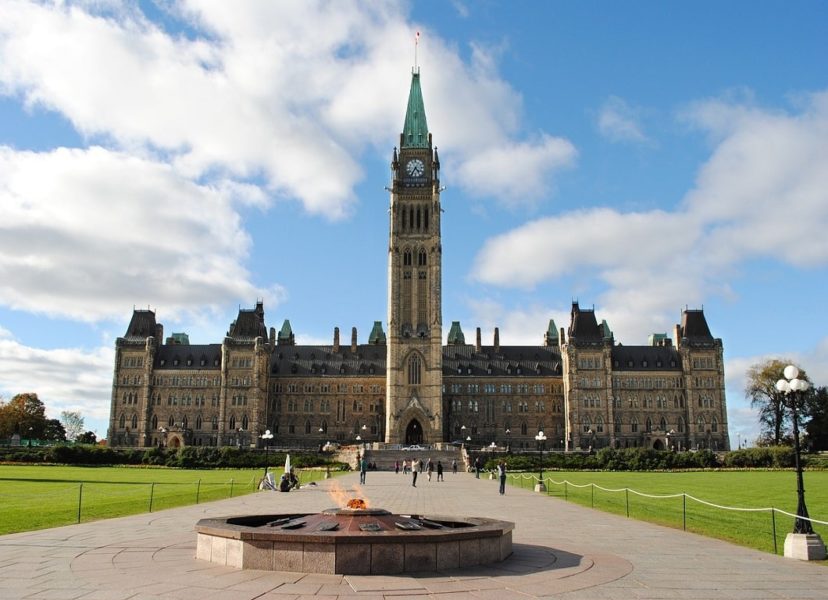
Across the country, there is a growing sense that Canada is entering a defining economic moment. Rising global instability, ongoing trade uncertainty with the United States, pressure on supply chains and concerns surrounding energy security are all forcing Ottawa to rethink how the country positions itself over the next decade. The federal government’s new Spring Economic Update made it increasingly clear that policymakers are preparing for a future where economic resilience and self-sufficiency matter far more than they once did.
Prime Minister Mark Carney’s government is placing heavy emphasis on infrastructure investment, domestic manufacturing, energy transition projects and new industrial partnerships aimed at reducing long-term vulnerability to foreign shocks. While Canada remains deeply tied to the American economy, there is growing recognition inside political and business circles that relying too heavily on one trading partner has become a strategic risk. Recent tariff battles, political volatility in Washington and continuing disputes surrounding trade protections have accelerated those conversations.
One of the biggest concerns quietly shaping federal policy right now is the future of global trade itself. Economic planners are watching developments south of the border closely as Donald Trump’s ongoing tariff strategy continues creating uncertainty throughout international markets. Several economists are warning that escalating protectionism in the United States could trigger broader economic consequences for exporters, manufacturers and workers across North America.
At the same time, Canada is attempting to balance two competing realities. On one side, the country continues pushing aggressive climate policies and green investment initiatives. On the other, global instability in energy-producing regions has reminded governments that oil, natural gas and resource security still play a major role in economic stability. Rising tensions involving Iran and disruptions around the Strait of Hormuz have once again highlighted how quickly energy markets can become volatile when geopolitical conflicts escalate.
Business leaders throughout the country are also paying close attention to artificial intelligence and cybersecurity. International financial institutions and technology analysts have increasingly warned that AI-driven cyberattacks are becoming a serious threat to financial stability worldwide, adding another layer of pressure on governments and corporations already dealing with economic uncertainty.
Meanwhile, ordinary Canadians continue feeling squeezed by affordability pressures. Housing remains expensive in many regions, food costs continue fluctuating and businesses are still adjusting to higher borrowing costs after years of elevated interest rates. While inflation has cooled compared to previous years, the overall feeling across much of the country is that economic anxiety has not disappeared. Many Canadians are becoming increasingly skeptical about whether younger generations will enjoy the same financial opportunities that existed for previous decades.
What is becoming more apparent, however, is that Ottawa is no longer governing as though the world will automatically stabilize. There is a noticeable shift toward long-term preparation rather than short-term optimism. Whether that strategy ultimately strengthens the economy or places additional strain on taxpayers will likely define Canadian politics over the next several years.
About The Author