Industrial and commercial steam systems operate as the backbone of many facilities, yet they often go unnoticed until problems escalate. These systems demand careful monitoring because small issues can quickly turn into costly failures. Engineers and facility managers must recognize early warning signs your steam system needs immediate attention is imperative before damage spreads across critical components. Downtime and safety risks increase significantly when attention arrives too late.
A properly functioning steam system runs with consistent and controlled sound levels. When banging, knocking, or whistling noises emerge, the system communicates distress. These sounds often point to water hammer, which occurs when condensate builds up and disrupts steam flow. Ignoring these noises can lead to pipe damage or even catastrophic failure.
Stable pressure remains essential for efficient steam system operation. When pressure levels rise and fall unpredictably, the system struggles to maintain balance. These fluctuations reduce efficiency and place strain on valves, pipes, and connected equipment. Over time, this stress can lead to premature wear and unexpected breakdowns.
Operators should monitor pressure gauges closely and document irregular patterns. Even slight variations can signal deeper issues within the system. Malfunctioning regulators or blockages often contribute to these inconsistencies. Addressing the root cause ensures smoother operation and extends equipment lifespan.
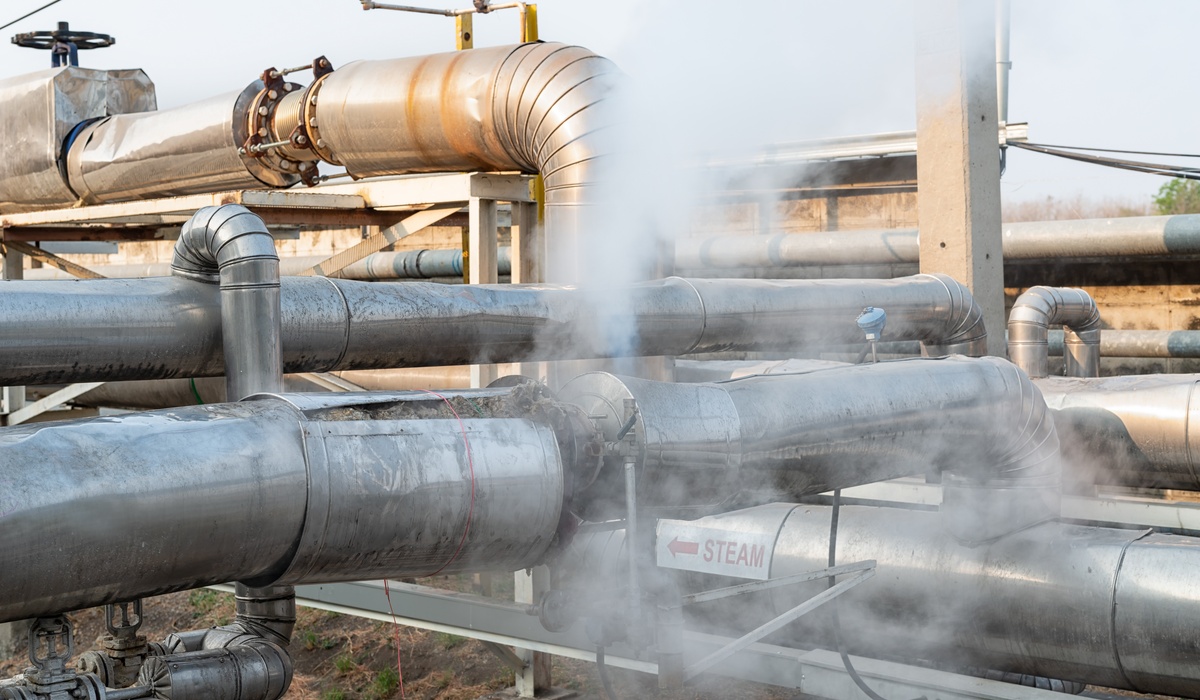
Steam leaks rarely resolve on their own and often worsen without intervention. Escaping steam wastes energy and increases operational costs while posing safety hazards. Workers exposed to high-temperature steam risk serious injury, which makes leak detection a priority. Even small leaks can indicate underlying corrosion or failing components.
Routine inspections can identify leaks before they escalate into larger problems. Maintenance teams should examine joints, valves, and fittings for signs of wear. When leaks appear, technicians must repair or replace damaged parts quickly. Prompt action minimizes risk and preserves system performance.
Unexpected increases in energy bills often point to inefficiencies within a steam system. When the system works harder to produce the same output, it consumes more fuel or electricity. This inefficiency may stem from insulation failures, leaks, or poorly functioning components. Over time, these issues can significantly impact operational budgets.
A steam system should deliver consistent heat across all connected areas. When certain sections receive less heat or experience delays, the system operates unevenly. This inconsistency can disrupt industrial processes or reduce comfort in commercial spaces. Uneven heating often indicates blockages, air pockets, or failing components.
Technicians should trace the flow of steam to identify where disruptions occur. Addressing these issues requires careful inspection and precise adjustments. In some cases, replacing outdated components may provide a long-term solution. Consistent heating ensures reliable performance and supports operational goals.
Corrosion presents one of the most serious threats to steam system health. Rust on pipes, valves, or fittings signals exposure to moisture and chemical reactions. Over time, corrosion weakens structural integrity and increases the risk of leaks or failures. This process often develops gradually, which makes early detection critical.
Maintenance teams should prioritize regular inspections to identify signs of corrosion. Addressing water quality and chemical balance can prevent further damage. Replacing affected components may become necessary to maintain system safety. Proactive measures protect equipment and personnel.
Steam traps play a vital role in removing condensate while retaining steam within the system. When these components fail, the entire system can suffer from reduced efficiency and increased wear. Faulty traps may allow steam to escape or prevent proper drainage, which leads to operational problems. Understanding everything you need to know about steam traps can help operators recognize and address these issues effectively.
Regular testing and maintenance ensure that steam traps function as intended. Technicians should check for signs of blockage, leakage, or mechanical failure. Replacing defective traps can restore system balance and improve performance. Proper maintenance of these components remains essential for long-term reliability.
Some warning signs demand immediate attention because they indicate serious underlying problems. Recognizing these indicators can prevent costly repairs and protect system safety. Operators should remain vigilant and respond quickly when these issues arise. Ignoring these common warnings can lead to system failure and operational disruptions:
- Sudden drops in system efficiency without clear explanation.
- Persistent noise that continues despite adjustments.
- Frequent need for repairs or part replacements.
- Visible damage to pipes, valves, or insulation.
- Unusual odors or signs of overheating.
Many steam system issues stem from delayed or inconsistent maintenance practices. When facilities postpone routine inspections, small problems can grow into major failures. Regular maintenance schedules can identify issues before they escalate. This proactive approach reduces the likelihood of unexpected breakdowns.
Technicians should follow structured maintenance plans to ensure consistent care. Documenting inspections and repairs provides valuable insight into system performance. Over time, this data can predict potential issues and guide future decisions. Consistent maintenance supports efficiency and safety.
External conditions can influence the performance of steam systems in significant ways. Temperature changes, humidity levels, and environmental exposure all play a role in system behavior. Facilities located in regions with harsh climates may face additional challenges. These factors can accelerate wear and increase the likelihood of system issues.
Operators should account for environmental conditions when evaluating system performance. Adjustments to insulation, drainage, and system design may mitigate these effects. Regular monitoring ensures that the system adapts to changing conditions. Awareness of these influences supports better decision-making.
Recognizing warning signs represents only the first step in maintaining a healthy steam system. Taking timely and decisive action ensures that minor issues don’t evolve into major problems. Facility managers must prioritize inspections, repairs, and system upgrades when necessary. This approach can maintain efficiency and reduce long-term costs.
Investing in training and modern diagnostic tools can also improve system management. Skilled technicians can identify problems quickly and implement effective solutions. Collaboration between management and maintenance teams strengthens overall system performance. Proactive action remains vital to prevent costly disruptions.
Steam systems require careful attention to operate safely and efficiently in demanding environments. Warning signs, such as unusual noises, leaks, and fluctuating pressure, should never go unnoticed. Facilities that respond quickly to these indicators can avoid costly failures and maintain consistent performance. By staying informed and proactive, operators can protect their equipment and their operations from unnecessary risk.
About The Author