Canada’s Grocery Price Fatigue Is Turning Into Political Pressure Across the Country
- Ingrid Jones
- Canada
- May 17, 2026
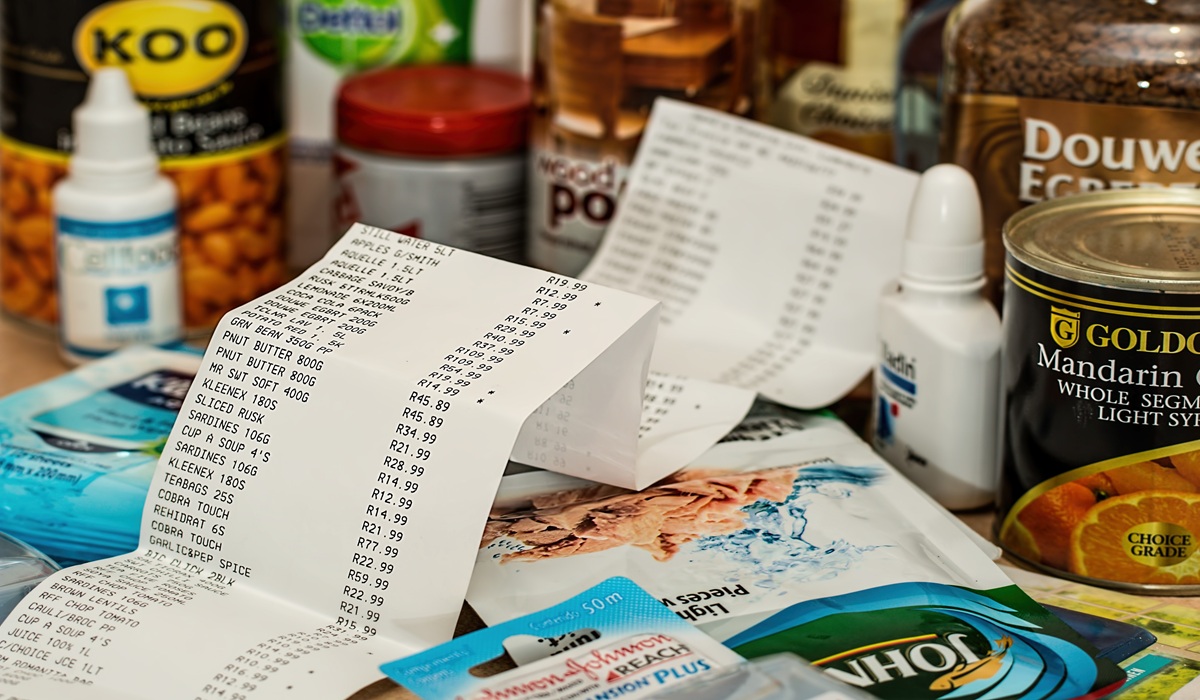
Image Credit: Steve Buissinne
Canadians are still feeling crushed every time they walk into a grocery store, and what was once blamed entirely on inflation is now becoming a broader political and economic debate about competition, supply chains, and whether ordinary families are simply being left behind.
Across the country, shoppers continue noticing that even small grocery runs are draining wallets at a pace that does not match wage growth. Items many Canadians once bought without thinking twice about are now carefully calculated purchases. Families are cutting back on meat, fresh produce, snacks, and even basic household items as food prices continue lingering at uncomfortable levels despite inflation cooling compared to previous years.
What is making the frustration worse is the growing feeling among consumers that the system itself is broken. Public anger has increasingly shifted toward large grocery chains, with many Canadians openly questioning how corporate profits can remain healthy while families struggle to afford basics. The conversation has expanded beyond simple inflation and into larger concerns about market concentration and affordability in nearly every corner of Canadian life.
Politicians from multiple parties are now under mounting pressure to show tangible action rather than announcements filled with economic jargon. Affordability has become one of the defining kitchen-table issues in the country, especially for younger Canadians and seniors living on fixed incomes. Even people with decent-paying jobs are increasingly admitting they feel financially cornered.
The situation has also created visible changes in consumer behaviour. Discount chains remain packed. Coupon usage has surged again. More Canadians are shopping multiple stores instead of staying loyal to one brand, while food banks across the country continue reporting heavy demand that shows little sign of easing.
For many households, this no longer feels like a temporary economic squeeze. It feels like a permanent downgrade in quality of life, and that perception may end up shaping the next phase of Canadian politics more than any campaign slogan ever could.
About The Author