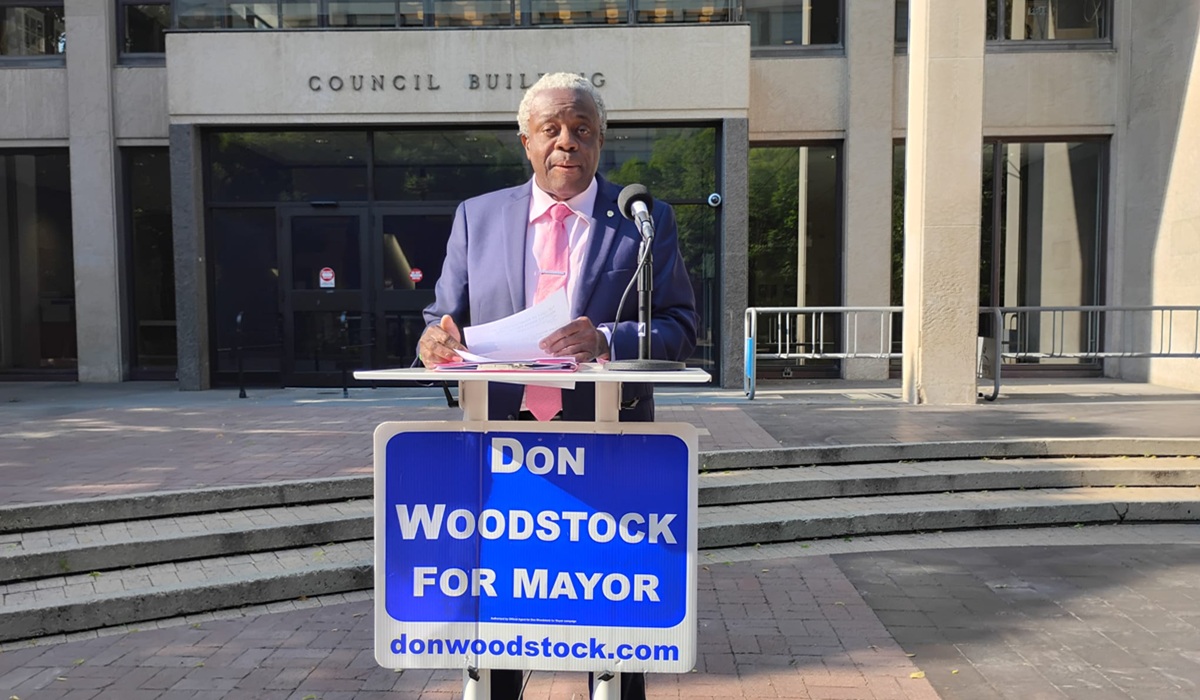
Don Woodstock Unveils Sweeping Plan to Make Community Centres Essential Services Across Winnipeg
- Contributor
- Canada
- May 22, 2026
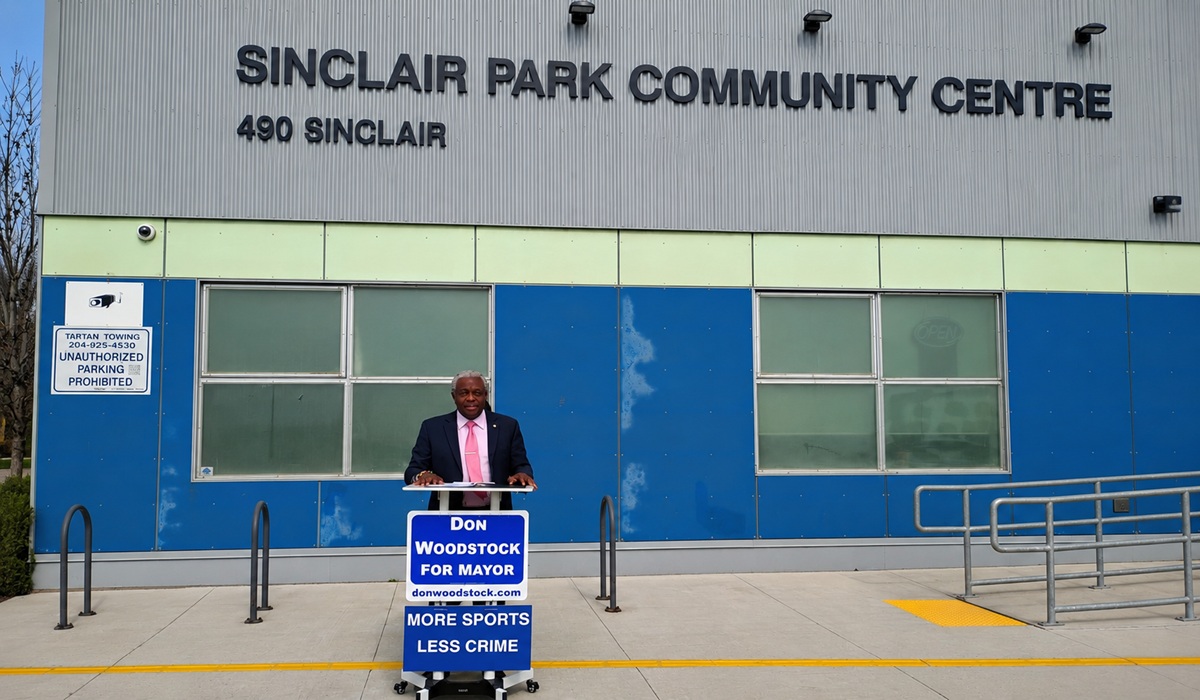
Mayoral candidate Don Woodstock has unveiled what could become one of the most significant restructurings of Winnipeg’s community centre system in decades, announcing a sweeping eight-point plan focused on recreation, neighbourhood safety, infrastructure, and long-term operational stability. Speaking at Sinclair Park Community Centre, Woodstock proposed officially recognizing community centres as essential services within the City of Winnipeg, a move he says would fundamentally change how these facilities are funded, operated, staffed, and supported across the city.
The proposal goes far beyond sports and recreation alone. Woodstock argues community centres are critical neighbourhood infrastructure that support youth, seniors, families, emergency response, mentorship, and long-term crime prevention. He says for years, volunteers have been left carrying responsibilities that should belong to City Hall while facilities struggle with aging infrastructure, rising operating costs, and growing demand for services. The proposal is designed to significantly reduce that pressure while creating a more stable and properly funded system moving forward.
One of the biggest changes proposed would create a dedicated division within the City of Winnipeg focused specifically on community centre operations and infrastructure oversight. Under the plan, inspections, operational reporting, field upkeep, and infrastructure coordination would become direct responsibilities of the city instead of local volunteers. The campaign says volunteers should not be expected to oversee infrastructure concerns, prepare operational reports, or coordinate issues involving city-owned buildings while also trying to run programs and support their neighbourhoods.
Major repairs involving roofing, boilers, plumbing, electrical systems, and structural work would continue to be professionally contracted under city oversight where required, but the day-to-day operational responsibilities would shift back under municipal administration. Woodstock says the overall goal is to finally treat community centres with the same seriousness as other important public infrastructure across Winnipeg.
The proposal also takes direct aim at rising utility costs that many organizations have struggled with for years. According to the campaign, some centres are currently facing hydro bills exceeding $100,000 annually, costs Woodstock argues are stripping money away from sports, youth programming, recreation, and neighbourhood services. Under the proposal, water and sewage costs would immediately become part of Winnipeg’s operating budget instead of continuing to be separately billed back to local organizations.
Woodstock says the current structure simply does not make sense because the city already owns the buildings, owns the water system, and owns the sewage treatment infrastructure. The proposal argues those resources should remain directly inside neighbourhood programming instead of being recycled through administrative billing structures that leave organizations financially strained year after year.
The plan also calls for a broader review of hydro and heating costs, including discussions with Manitoba Hydro to reduce excessive utility expenses while exploring renewable and reusable energy solutions such as solar-assisted heating, solar panels, and energy-efficient upgrades designed to reduce long-term operating costs across the system.
Another major part of the overhaul targets financial reporting and audit costs currently placed on local organizations. According to the campaign, some centres are paying up to $10,000 or more annually preparing audits, accounting reports, and financial documentation. Under Woodstock’s proposal, those responsibilities would move under the City of Winnipeg’s existing accounting and audit departments, reducing administrative strain on volunteers while allowing the city to identify financial problems earlier before organizations reach crisis situations.
The long-term operational goals outlined in the proposal are equally ambitious. The plan calls for transitioning key operational roles into paid positions to improve stability and ensure facilities remain consistently open and properly supported throughout the year. Woodstock says the long-term vision is to move toward seven-day-a-week operations, excluding statutory holidays and special circumstances, so neighbourhoods have more reliable access to recreation and programming year-round.
About The Author