Russia Balances Wartime Pressures With Economic Stability
- Naomi Dela Cruz
- Tiger's Eye Advisory Group - Trending News
- Europe
- May 14, 2026
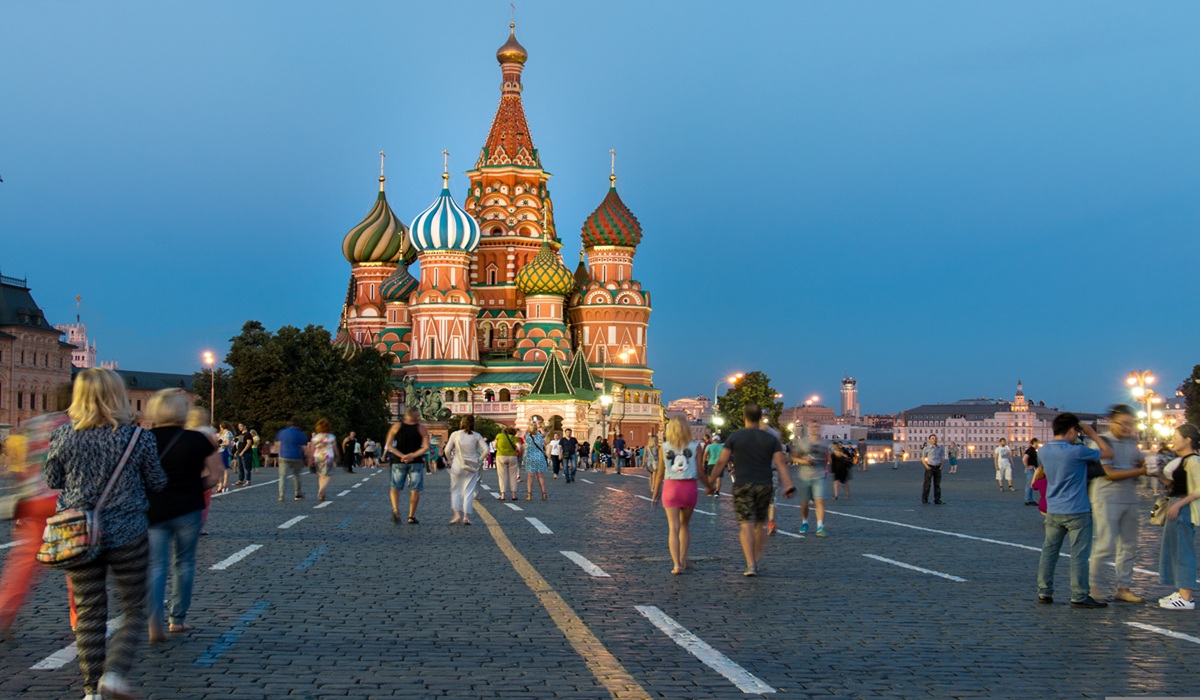
Image credit: Michael Siebert
Russian officials continue working to maintain economic stability as the country navigates ongoing wartime pressures, international sanctions, and shifting global energy markets tied to the conflict in Ukraine.
Moscow recently revised energy revenue expectations upward as oil and natural gas exports continue generating substantial income for the government despite restrictions imposed by Western nations. Energy production remains one of the most important pillars supporting the Russian economy, particularly as international trade relationships continue evolving in response to geopolitical tensions.
Financial authorities have also signaled that interest rates are expected to remain elevated in the near term as policymakers attempt to contain inflation and stabilize domestic prices. Rising costs affecting consumer goods, housing, and transportation have become increasingly noticeable across parts of the country, placing additional pressure on households and businesses alike.
At the same time, Russia continues strengthening economic and diplomatic relationships with several countries outside Europe and North America. Trade partnerships throughout Asia, the Middle East, and parts of Africa have become increasingly important as Moscow works to offset the impact of Western sanctions and expand alternative export markets.
Military developments linked to the war in Ukraine remain closely watched by governments around the world. Reports of heightened security concerns surrounding Kyiv and surrounding regions continue fueling fears that the conflict could intensify further in the months ahead. Diplomatic efforts aimed at reducing tensions have produced limited progress so far, with both sides remaining deeply entrenched.
Meanwhile, debate continues throughout Europe regarding the long-term effectiveness of sanctions and the broader economic consequences tied to prolonged geopolitical confrontation. Energy costs, industrial competitiveness, and military spending remain major concerns for several European governments balancing domestic economic pressures with continued support for Ukraine.
Despite ongoing challenges, Russian officials maintain the country’s financial system has adapted to many of the restrictions imposed since the start of the conflict. Economists, however, warn that long-term uncertainty surrounding trade access, investment, and industrial development could c
About The Author