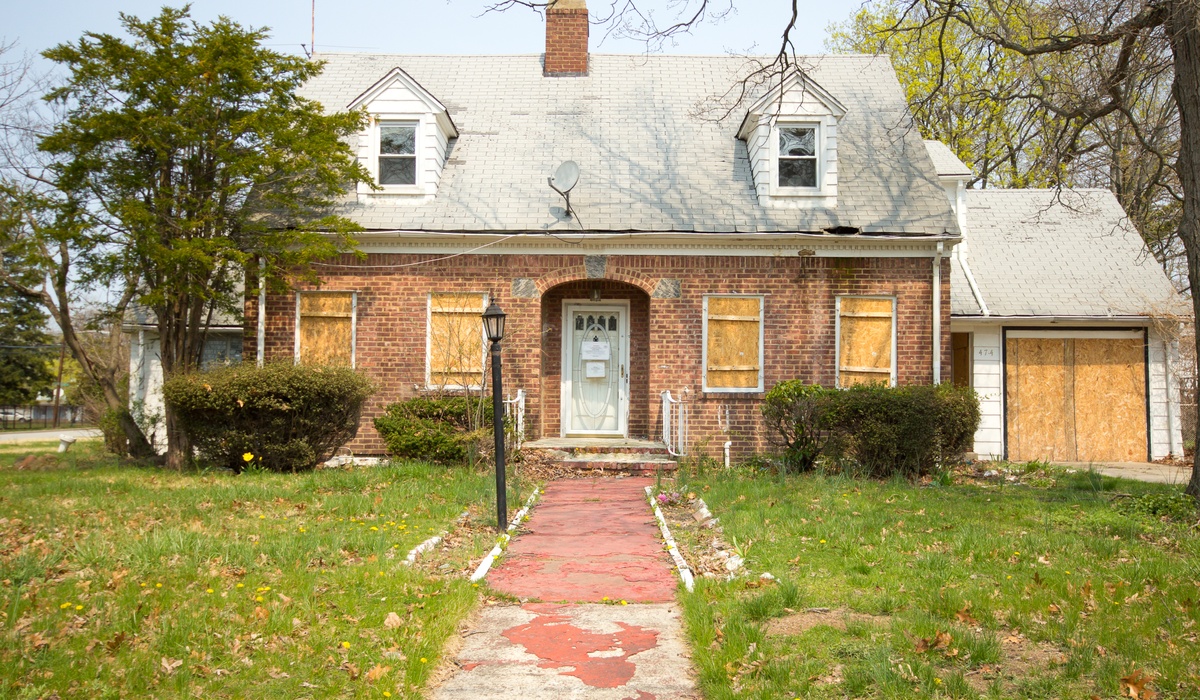
A buyer who falls for an old house usually falls fast. Original millwork, plaster walls, hardwood floors, and a façade that has outlived fashions can make a newer property feel disposable by comparison. Yet a house that has survived for decades does not prove that everything inside it has aged well.
When people purchase an older home, they are not just choosing style or location. They are stepping into a structure built under different codes, with different materials, and with assumptions about heating, wiring, ventilation, and maintenance that may no longer match modern life. Before you make your final decision and sign on the dotted line, you want to be completely sure you’re making the right choice. Below, we outline what you should look for when buying an older home so you can be confident in your decision.
That gap between appearance and condition is where smart buying begins. A beautiful front porch does not answer the hard questions. Buyers need to know whether the foundation has shifted, whether water has entered the basement for years, whether the roof has been layered instead of replaced, and whether old repairs concealed deeper failure.
Doors that stick may signal minor settling, or they may point to movement that will keep getting worse. A house can carry age with dignity, but buyers should insist on evidence, not atmosphere, before they accept a seller’s story about its condition. Acquiring an older home with foundational issues is like purchasing a giant money pit.
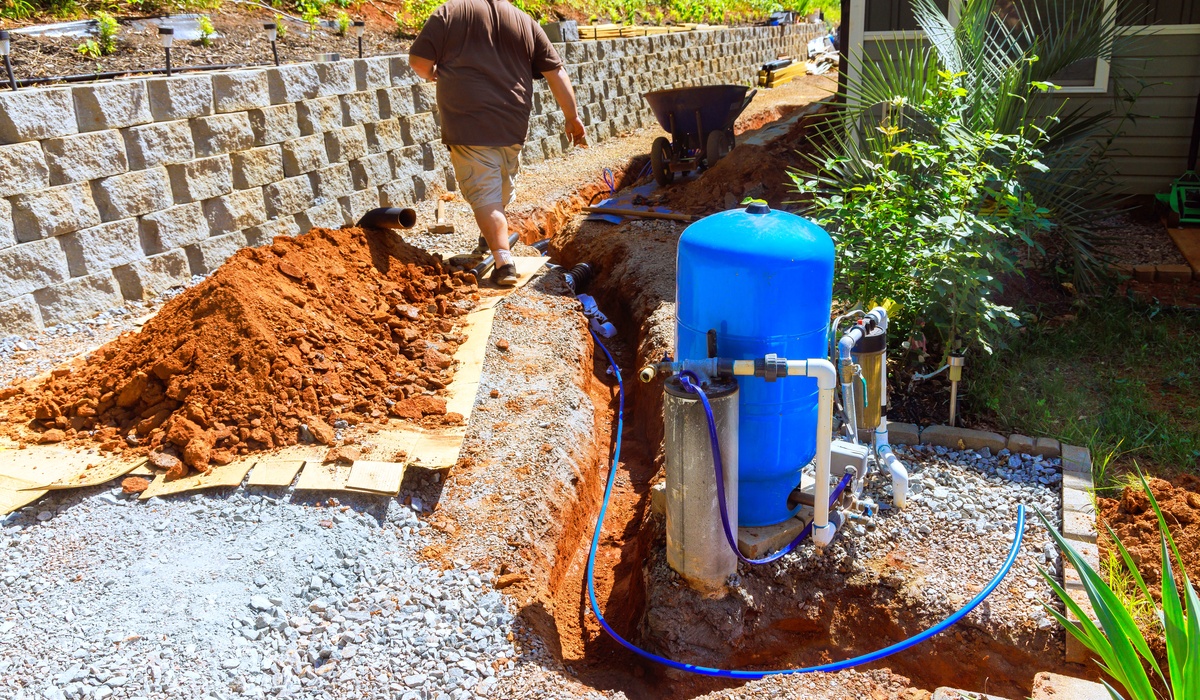
Mechanical systems deserve the same scrutiny. In an older property, the most expensive surprises tend to sit behind walls, above ceilings, and beneath floors. Electrical panels may not be suitable for modern use, there may be outdated wiring, altered in phases, or patched by generations of owners with different standards, and plumbing may still include galvanized supply lines that restrict flow and corrode from within, or older drain lines that fail without warning.
Heating and cooling systems may function on a showing day and still stand near the end of their useful life. Buyers should read age, service history, and compatibility as seriously as they read square footage. A house that looks move-in ready can become a rolling repair project once everyday use exposes every compromise its last owner learned to live with.
Another thing to look for when buying an older home is the quality and legality of past renovations. Many older homes have been updated room by room across several decades, and that patchwork history can reveal as much as the original construction. A polished kitchen or refinished attic may look like added value, but buyers need to know whether permits were pulled, whether the work met code, and whether cosmetic upgrades covered deeper flaws.
An unfinished basement turned into a living space, a removed wall, or a newly added bathroom can change how the house functions structurally and mechanically. If there was not proper oversight over previous work, the next owner may inherit problems like unsafe wiring, poor ventilation, plumbing errors, or alterations that create problems during resale. In an older home, visible improvements should invite more questions, not fewer, because the issue is not about the house’s updates but whether they were done responsibly.
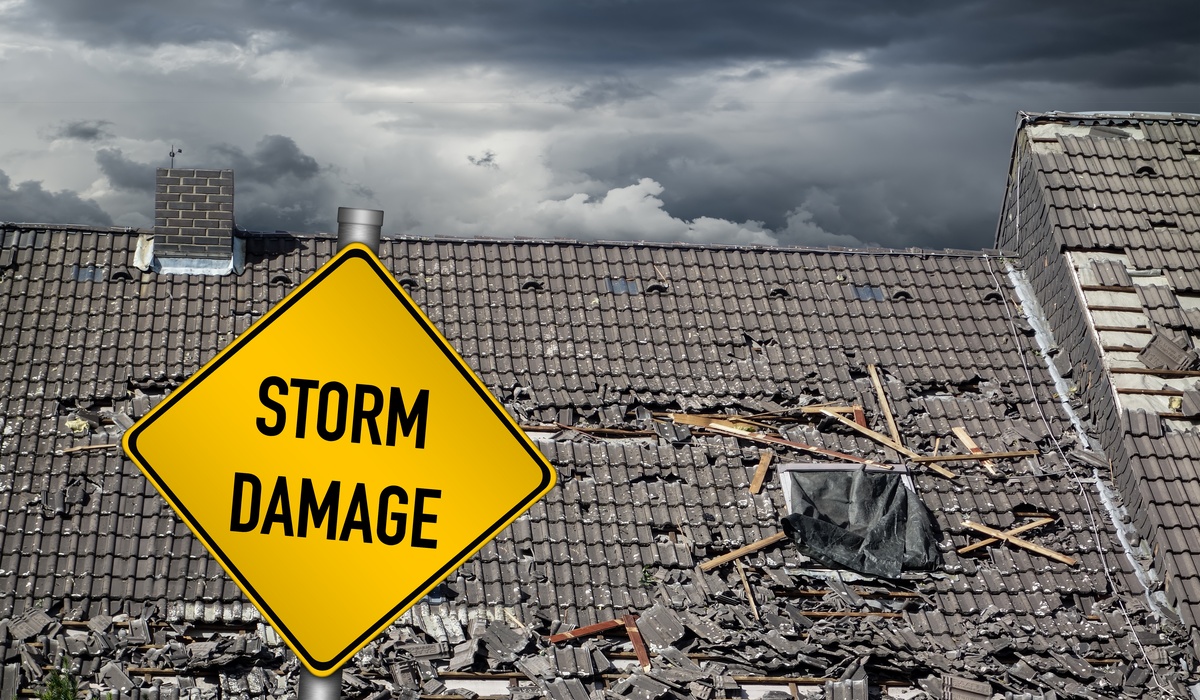
Water, more than anything else, tells the truth about an aging house. Buyers should look past fresh paint and staged furniture and ask where water has gone and where it may go next. Staining in the attic, efflorescence in the basement, soft trim near windows, spongy subfloor in bathrooms, and grading that pushes runoff back toward the home all point to the same issue: moisture changes the life span of almost every material it touches. It weakens framing, feeds mold, lifts flooring, and turns a manageable repair into a chain reaction. Sellers may present an old house as “solid,” but solidity means little if moisture has quietly worked through the structure for years.
Health hazards also deserve more attention than buyers sometimes give them in the rush to compete for a property. Older homes come from a different time of safety regulations and health standards, which could mean the house contains lead-based paint, asbestos-containing materials, or aging insulation and finishes that become dangerous when disturbed. Federal safety guidance warns that asbestos may be present in materials such as older floor tile, pipe wrap, and ceiling treatments, and the EPA advises buyers and renovators not to rely on sight alone to identify because lab analysis and trained inspections matter when disturbing materials that may harbor asbestos. Before you purchase an older house, you should conduct a thorough inspection from top to bottom, looking for health hazards, including the surprisingly common places asbestos still hides.
An inspection for an older home must be more like an investigation than a formality. A general inspection remains essential, but it should not end the inquiry when a house shows signs of age-related risk. Buyers may need a structural engineer, a sewer scope, an electrical evaluation, or environmental testing, depending on what the initial inspection reveals. That is not an overreaction. It is proportional diligence.
The cost of a specialized inspection is small next to the cost of foundation repair, rewiring, buried moisture damage, or remediation work that begins after closing. Serious buyers also need to separate defects from deal-breakers. An old house does not need to be flawless, but it must be legible. The buyer should understand what is wrong, what is urgent, what can wait, and what those choices will cost over time.
Insurance and financing can expose realities that a showing never will. Some older homes face higher premiums because of roof age, outdated systems, prior claims, or regional weather exposure. Some lenders and carriers react cautiously to knob-and-tube wiring, older plumbing, or deferred maintenance.
That means a buyer’s real test does not end with seller disclosure or inspection notes. It continues through underwriting, quotes, and repair requirements that can reshape the transaction late in the process. A house that appears affordable on paper can become harder to insure, harder to finance, and more expensive to stabilize than a buyer may expect.
None of this means buyers should fear old houses. It means they should read them with discipline. Age can signal quality craftsmanship, durable materials, and neighborhoods that have held value through cycles of change. It can also signal layers of deferred decisions.
The wisest approach to acquiring an older house is to treat charm as a starting point, not a conclusion. Buyers should ask about preservation, replacements, past failures, and cosmetic updates that may hide larger structural issues. In a market that rewards speed, that patience may feel inconvenient, but it’s what protects buyers from mistaking character for condition.
About The Author