Anger Erupts at Winnipeg Safe Injection Site Summit as Top Government Politicians Skipped Event
- Don Woodstock
- Tiger's Eye Advisory Group - Trending News
- May 13, 2026
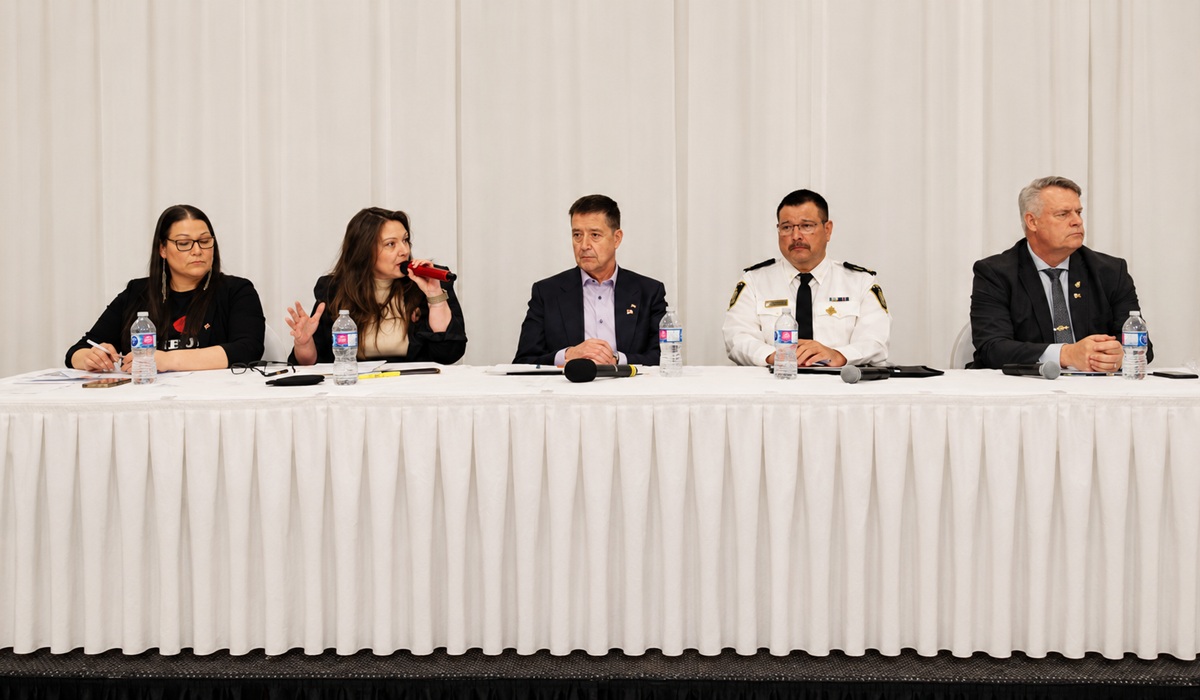
A tense and emotionally charged crowd packed into Pampanga Restaurant Tuesday evening for a community safety discussion centered around the proposed supervised consumption site planned for Winnipeg’s core area, with many residents voicing frustration, anger and deep skepticism about whether so-called “safe injection” facilities actually reduce harm or simply normalize and expand addiction within vulnerable neighbourhoods.
The event, organized by the North Logan Community and Point Douglas Exchange, brought together community members, police representatives, political figures and frontline voices for what quickly became a raw and deeply personal discussion about addiction, public safety and government accountability. Residents repeatedly described feeling unheard, ignored and abandoned by decision makers pushing forward with policies they believe are reshaping communities without meaningful consultation.
Among the panelists were Member of Parliament Dan Mazier, Winnipeg Police Chief Gene Bowers, City Councillor Sherri Rollins, former Brandon Police Chief Wayne Balcaen, Aboriginal Health and Wellness Centre CEO Monica Cyr and representatives connected to Indigenous wellness and wraparound services. The discussion was moderated by journalist Derek Finkle.
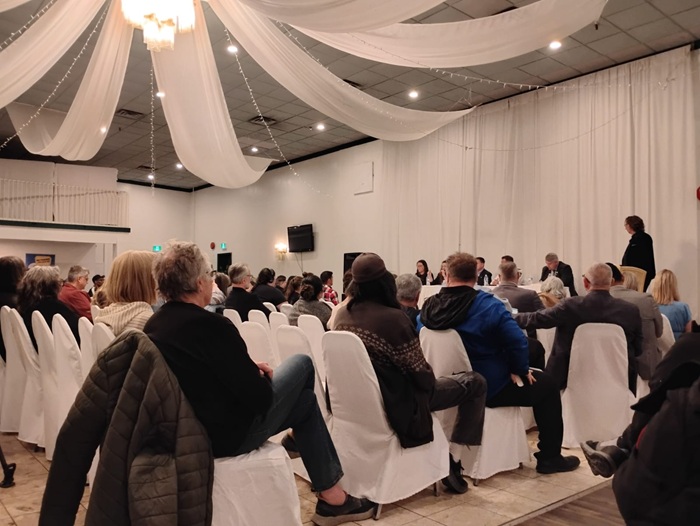
From the moment the meeting began, the atmosphere inside the packed venue was explosive. Residents shouted at times from the crowd, voices frequently rose across the room and emotions repeatedly boiled over as speaker after speaker vented frustration about addiction, crime and the growing impact drugs are having on neighbourhoods throughout Winnipeg. Swearing and angry outbursts became a constant throughout much of the evening, with many residents openly expressing rage over what they believe are failed policies surrounding supervised consumption and safe injection sites.
Several residents emotionally described feeling abandoned by all levels of government, while others questioned why communities are expected to absorb increasing public disorder, open drug use and crime while political leaders continue insisting supervised consumption facilities are part of the solution. The intensity of the room reflected a population deeply frustrated and demanding answers.
Throughout the evening, speakers recounted firsthand stories from other cities where supervised consumption sites were described as magnets for drug trafficking, open drug use and worsening street disorder. One of the strongest moments of the night centered around Ottawa’s Sandy Hill neighbourhood, where panelists described how a daycare was eventually forced to close after a supervised consumption site opened directly across from the facility.
According to accounts shared during the panel, daycare staff and children were routinely confronted with needles, drug paraphernalia and intoxicated individuals outside the building. People were described as passed out or high near the daycare entrance, while staff reportedly faced ongoing confrontations and safety concerns. Multiple appeals were made to government officials and authorities, including concerns raised by police, but residents said little changed. Eventually, the daycare shut its doors because the environment surrounding it was no longer considered safe for children or staff.
The stories resonated deeply with many in attendance because speakers repeatedly argued the same patterns continue emerging wherever these facilities are introduced. Several residents and panelists also criticized what they described as the contradiction at the center of Manitoba’s current approach. Governments continue speaking about recovery, detox and addictions treatment while simultaneously funding supervised consumption facilities that allow individuals to continue injecting dangerous narcotics.
For many in the room, the solution appeared straightforward. Instead of spending public money creating supervised consumption or safe injection sites, governments should be fully funding addictions treatment, detox beds, mental health services, recovery housing and wraparound supports from the beginning. The argument repeatedly raised throughout the evening was simple: if the goal is helping people get off drugs, then available resources should go directly toward recovery and prevention instead of enabling continued drug use first and attempting to address addiction afterward.
Monica Cyr spoke about efforts to provide wraparound supports and transition services aimed at helping individuals move beyond substance dependency. While many applauded those efforts, residents questioned why recovery-centered programming was not being made the primary investment instead of being attached onto supervised consumption policies after the fact.
One Indigenous elder delivered what many described as the emotional turning point of the evening. Holding back tears at times, she said she was tired of hearing governments claim there is no money available for treatment beds, detox programs or long-term recovery while funding somehow continues flowing toward injection facilities. She spoke candidly about seeing addiction destroy lives firsthand and admitted she has personally given money to struggling individuals while asking them to at least buy food as well.
She also argued detox and stabilization programs can often be done far more affordably than governments suggest, saying even temporary housing and short-term supports can help people begin recovery if the political will exists to prioritize treatment over enabling addiction.
A survey discussed during the panel further fueled skepticism among attendees. According to speakers, respondents asked how far they would travel to access supervised drug consumption reportedly answered “roughly a block” on average. For many residents, that reinforced concerns that drug use, trafficking and associated disorder inevitably remain concentrated in the neighbourhoods where these facilities operate.
Political absences also became one of the defining issues of the night. Point Douglas councillor Vivian Santos attended the event but did not participate on the panel; however, she recently voiced opposition to the proposed site. Mayor Scott Gillingham was absent once again from another major public safety forum, drawing criticism from residents frustrated by what they viewed as a lack of leadership. Even more glaring to many attendees was the complete absence of representatives from Premier Wab Kinew’s government, including Manitoba’s Health Ministry, Uzoma Asagwara and Justice Ministry, Matt Wiebe, despite the province being the driving force behind much of the supervised consumption policy discussion.
For many residents inside the packed room, that absence spoke louder than any prepared statement ever could.
About The Author