Trump’s China Visit Triggers Debate Over Whether the Global Balance of Power Is Quietly Shifting
- TDS News
- U.S.A
- May 15, 2026
By: Donovan Martin Sr, Editor in Chief
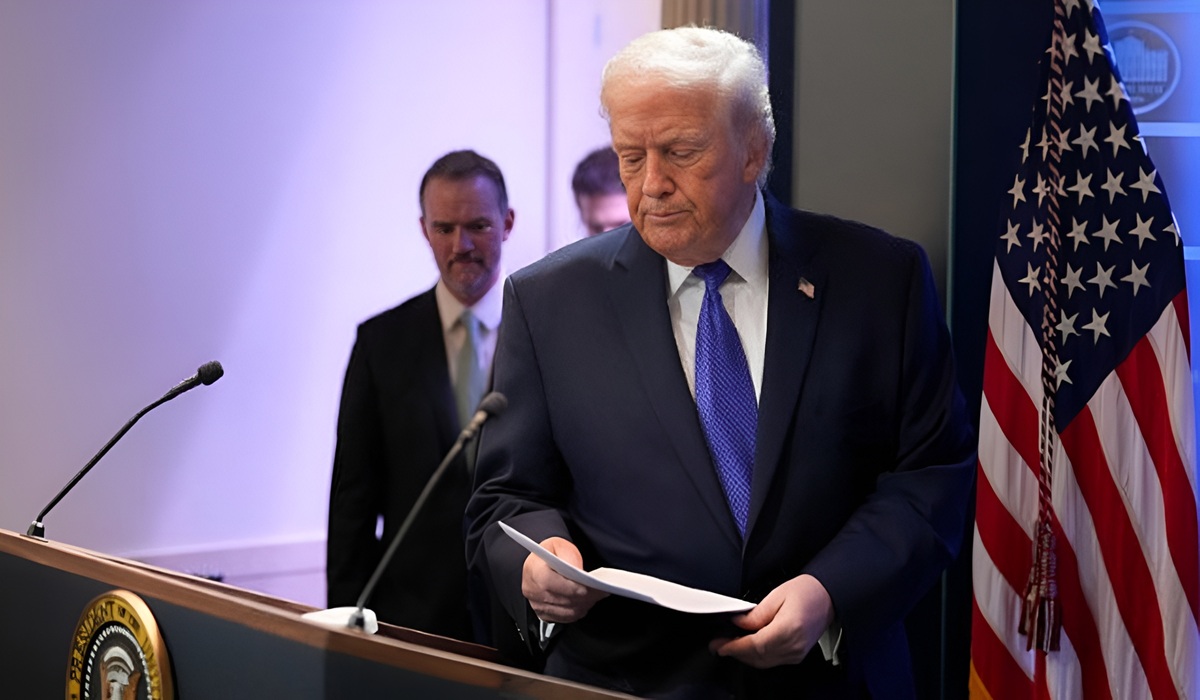
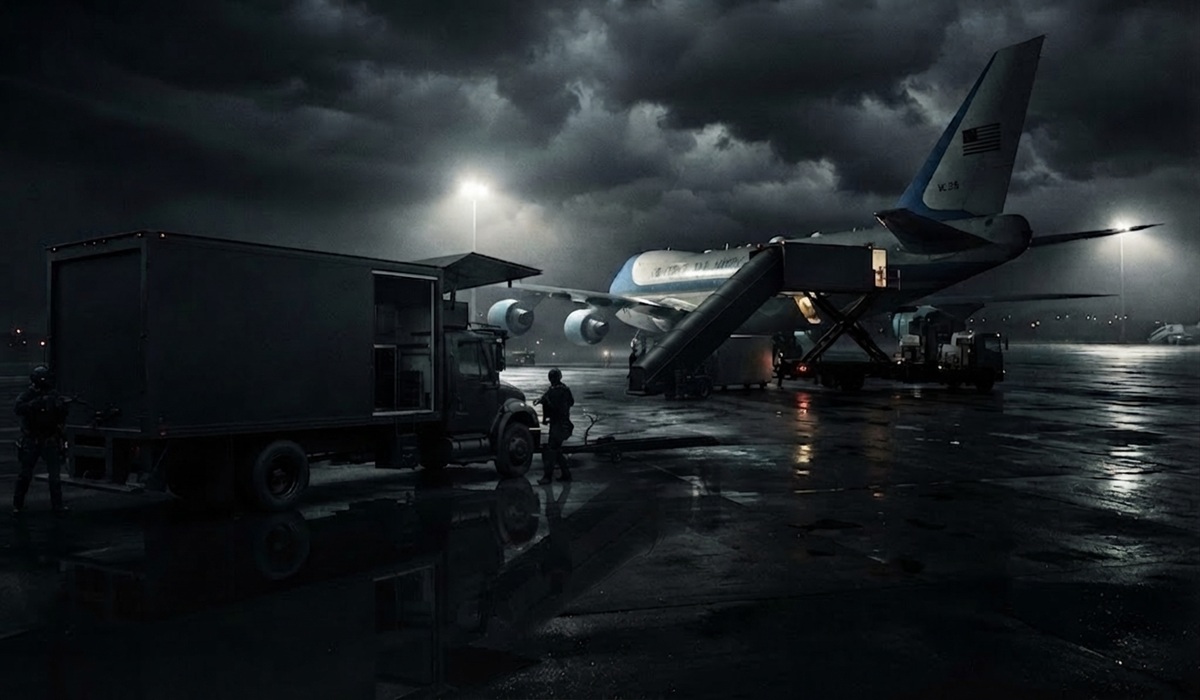
U.S. President Donald Trump is already deep into his closely watched visit to China, a trip that was originally expected to project overwhelming American economic strength and reassert Washington’s dominance on the world stage. Instead, the visit has rapidly evolved into one of the most dissected and politically symbolic diplomatic moments of the year, with critics both internationally and back home questioning whether the optics have unintentionally exposed a very different reality.
Trump arrived in China alongside more than 30 of America’s most powerful corporate leaders and CEOs in what many analysts viewed as an attempt to showcase the continued economic might of the United States. The delegation included some of the largest figures in technology, manufacturing, finance, and infrastructure. The goal appeared clear: demonstrate that despite years of escalating tensions, tariffs, and economic battles, American influence and business dominance still carried unmatched global weight. Yet the trip has unfolded under a cloud of contradiction and irony that many observers have not ignored.
Several of the same industries and corporations represented within the delegation are directly tied to the very sectors the Trump administration has aggressively targeted through restrictions involving semiconductors, artificial intelligence infrastructure, advanced chips, and strategic technology exports to China. Critics have pointed out the strange dichotomy of arriving with America’s business elite while simultaneously maintaining policies designed to economically isolate key parts of the Chinese technological ecosystem.
Rather than producing the dramatic political spectacle many expected, the visit has instead appeared restrained, controlled, and carefully choreographed by Beijing. Across Chinese media, the summit has not dominated headlines with the kind of nonstop political frenzy often associated with major American presidential visits. The tone throughout much of the coverage has appeared calm, measured, and notably understated. For many international analysts, that restraint may have been intentional.
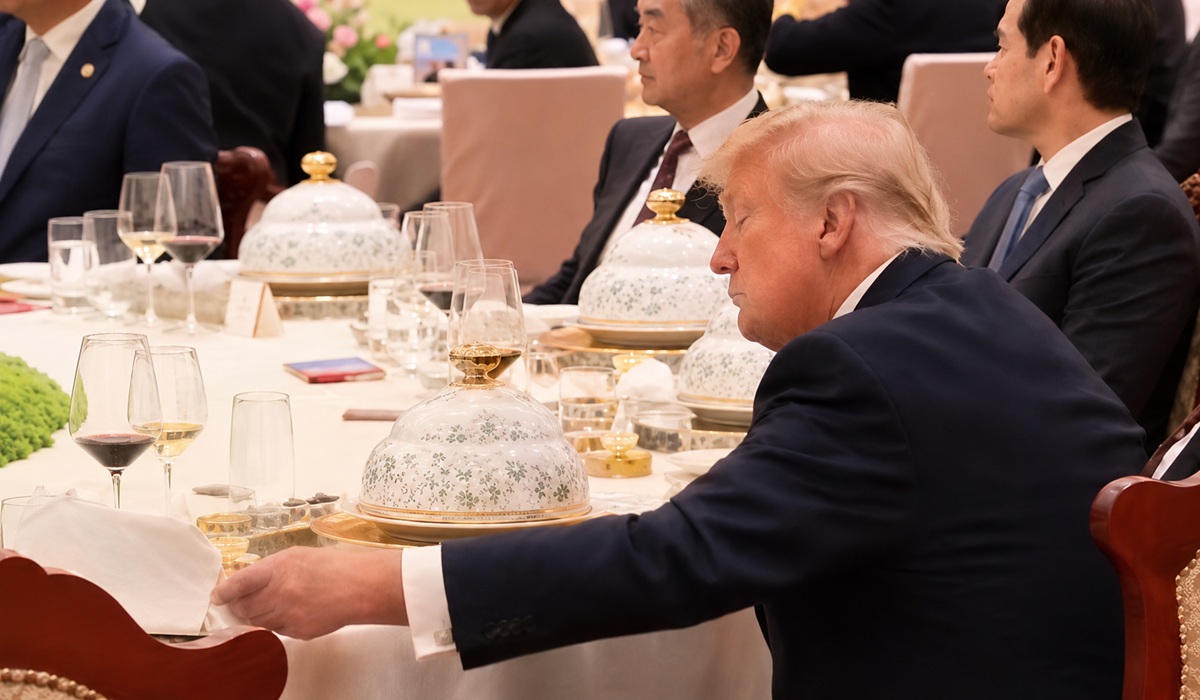
One of the most talked-about moments of the visit reportedly occurred during a state dinner involving both President Xi Jinping and Trump. According to observers circulating the moment online and through political commentary circles, Xi briefly stood from the table while Trump appeared to lean over and examine portions of Xi’s personal notes and agenda material left near his seating area. The moment quickly generated intense discussion online, with critics describing the behaviour as unusually intrusive and diplomatically awkward, particularly within the context of formal Chinese state protocol.
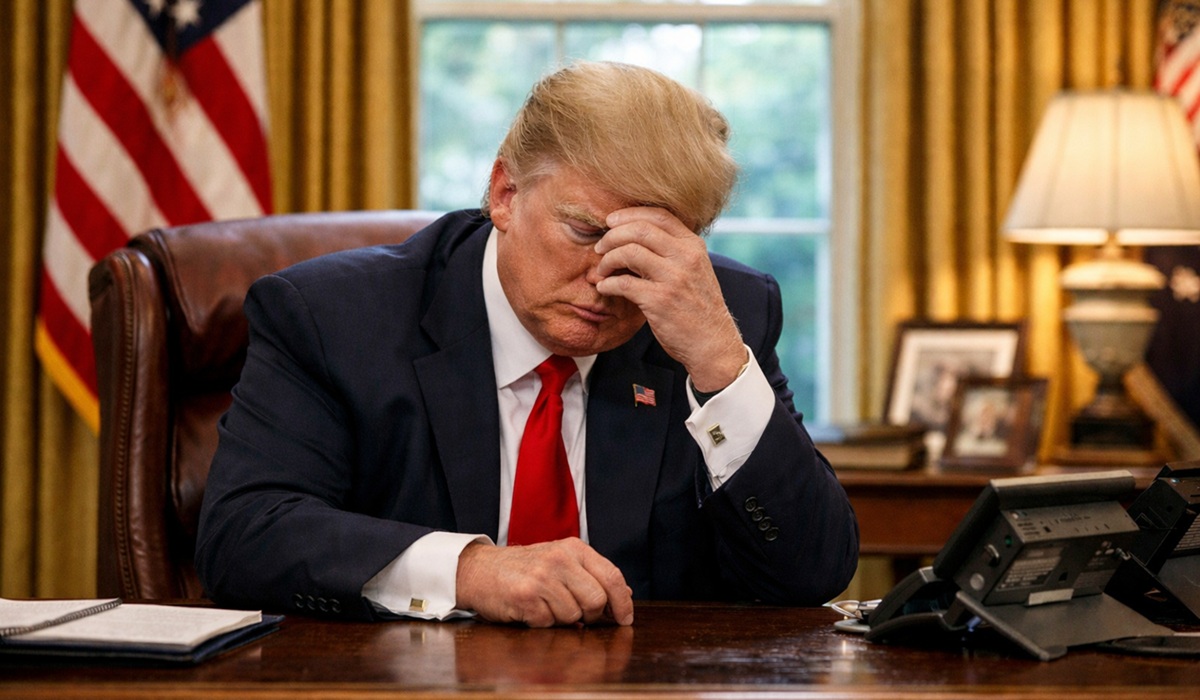
Back in the United States, commentary surrounding the trip has become increasingly intense and deeply polarized. Some political voices continue defending the summit as necessary diplomacy between two competing global powers. Others, however, have described the visit in almost historic terms, with critics characterizing the atmosphere as resembling a symbolic passing of the torch in global influence and prestige.
That interpretation has only intensified following comments from President Xi Jinping himself, who reportedly emphasized during discussions that China and the United States should view each other as “partners and allies, not combatants.” The statement immediately drew global attention because of how sharply it contrasted against years of increasingly hostile rhetoric, trade wars, sanctions, military positioning, and economic decoupling between both nations.
For Beijing, the summit appears to have reinforced an image China has spent years carefully cultivating: disciplined, patient, economically powerful, and increasingly confident in its role within a changing international order. Rather than appearing eager for American approval or validation, Chinese leadership projected the image of a government fully comfortable operating from a position of stability and leverage.
Meanwhile, Trump’s presence alongside America’s top corporate leadership underscored another uncomfortable reality facing Washington. Despite years of confrontation and efforts to economically separate both nations, the financial and industrial ties between the United States and China remain deeply intertwined. American corporations still rely heavily on Chinese manufacturing, markets, supply chains, rare earth materials, and infrastructure networks even amid political hostility.
What was intended to project overwhelming American power may ultimately be remembered for something very different: a summit that forced the world to openly confront whether the geopolitical balance between East and West is quietly changing in real time.
About The Author