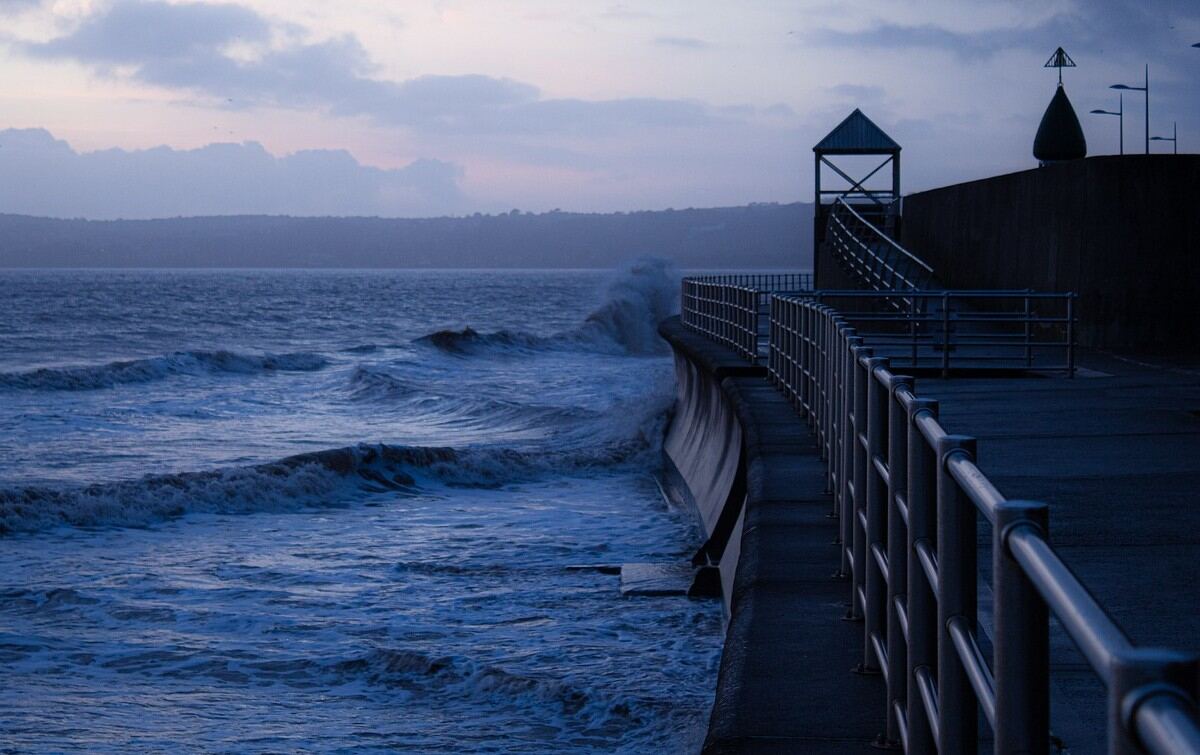
LOS ANGELES (AP) — Record-breaking high tides driven by powerful Pacific swells inundated roads, shuttered beaches and damaged coastal infrastructure across California on Wednesday, creating an acute environmental and transportation crisis during one of the busiest travel weeks of the year.
Emergency management agencies from San Diego to the San Francisco Bay Area issued coastal flood warnings as seawater surged over seawalls and flooded low-lying neighborhoods, highway corridors and commercial districts. In Pacifica, just south of San Francisco, massive waves tore away the end section of the landmark Pacifica Municipal Pier, sending concrete and timber crashing into the surf after ocean swells measured roughly 12 times stronger than normal November averages.
Scientists with the National Oceanic and Atmospheric Administration and state coastal agencies attributed the extreme water levels to a convergence of seasonal king tides and elevated ocean temperatures linked to persistent super El Nino conditions. King tides occur when the gravitational pull of the sun and moon align at their closest points to Earth, producing the highest predictable tides of the year. When layered atop already elevated sea levels and energetic offshore storm swells, the resulting surge pushes saltwater far beyond normal tidal boundaries.
In Southern California, lifeguards and municipal crews closed stretches of beaches in Los Angeles County and La Jolla after water levels reached all-time recorded highs for late November. Seawater spilled onto sections of the Pacific Coast Highway, forcing traffic diversions and snarling holiday travel as millions of residents took to the roads ahead of Thanksgiving. Public works teams deployed heavy earthmoving equipment to build emergency sand berms in vulnerable beachfront communities in Orange and Ventura counties, attempting to protect oceanfront homes and ground-floor businesses from structural water damage.
The coastal emergency has placed immediate strain on municipal budgets, regional transit networks and emergency responders across the state. Coastal rail lines connecting Los Angeles and San Diego faced speed restrictions and precautionary inspections as waves crashed near cliffside tracks that have already suffered severe erosion over the past two years. Airport authorities in San Francisco and Oakland also monitored perimeter drainage systems to prevent saltwater intrusion onto low-lying access roads and taxiways.
Local business owners along the coast reported widespread disruptions during what is traditionally a lucrative holiday retail and hospitality weekend. Waterfront restaurants, shops and marinas in Santa Cruz, Monterey, Santa Barbara and Newport Beach pumped water out of basements and ground-level dining rooms after morning high tides breached sandbag barriers. Harbor patrols worked throughout the day to secure vessels and inspect pilings strained by rapid tidal swings and heavy debris washed out from coastal estuaries.
State officials warned that the crisis extends beyond immediate property flooding. Rapid coastal erosion has undercut blufftop roadways, damaged municipal sewer lines and exposed aging storm drain infrastructure to saltwater corrosion. Utility crews in several coastal cities temporarily shut off power and gas lines in flooded blocks to prevent electrical fires and pipeline ruptures as saltwater pooled around transformers and meters.
The flooding arrives amid broader national strains on federal disaster relief funds and coastal insurance markets. Several major property insurers have curtailed coverage in high-risk California coastal zones over the past year, leaving homeowners and small businesses reliant on state-backed insurance pools with higher deductibles and narrower flood protections. State legislators and local mayors have renewed calls for expedited federal infrastructure grants to reinforce seawalls, elevate coastal highways and relocate vulnerable rail corridors inland.
Meteorologists forecast that elevated tidal cycles will persist through the remainder of the holiday weekend, with additional high-water peaks expected during early morning hours. While dry weather across much of Southern California prevented the worst-case scenario of simultaneous river runoff and coastal surge, forecasters cautioned that any incoming Pacific rain bands could overwhelm storm drains already backed up by high ocean levels. Emergency shelters and sandbag distribution centers remain open across more than a dozen coastal counties as residents brace for another round of extreme tides.
About The Author