Editorial Board
WASHINGTON (AP) — Nvidia Chief Executive Officer Jensen Huang is preparing for a pivotal two-part reckoning in Washington next week that will test the future of American artificial intelligence policy, corporate governance and federal export enforcement.
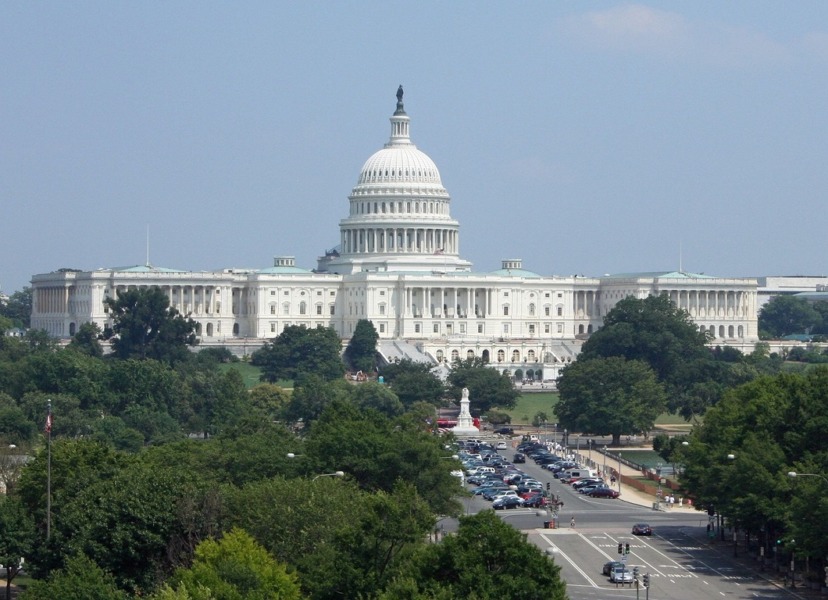
Following his abrupt resignation on Nov. 12 and a dramatic reinstatement by Nvidia’s board of directors on Monday after personal intervention from President Donald Trump, Huang is scheduled to appear on Capitol Hill on Dec. 1 for closed-door transcribed interviews before congressional panels, followed by a high-stakes public hearing before the Senate Committee on Banking, Housing and Urban Affairs on Dec. 3.
The dual appearances reflect two sharply contrasting realities governing how Washington deals with the leader of the world’s most valuable semiconductor company. Behind closed doors, executive branch officials and senior committee investigators are laying down strict operational, financial and compliance terms that dictate how Nvidia conducts global business going forward. In public, lawmakers from both political parties are preparing a televised confrontation over national security, personal conduct and corporate accountability.
The private track began taking shape over the weekend during hours of negotiations between Huang, Nvidia’s board and White House officials. Administration officials made clear that Huang’s return to the helm of Nvidia was contingent upon stringent compliance guardrails and direct financial arrangements benefiting the U.S. government. Under an export framework established by the Trump administration, Nvidia is permitted to sell certain older-generation H200 artificial intelligence processors to approved buyers in China only on the condition that a 25 percent U.S. tariff is paid directly into the U.S. Treasury on permitted shipments, while top-tier Blackwell B200 and B300 chips remain strictly prohibited from export.
During private briefings with executive branch agencies and closed-door sessions with congressional investigators on Dec. 1, Huang faces explicit demands regarding supply chain tracking, remote cloud access restrictions and expanded revenue transfers to federal coffers. Last week, the Commerce Department enacted a sweeping rule prohibiting foreign entities from accessing advanced U.S. AI chips remotely through third-party data centers, and on Tuesday the administration placed Singapore-based Megaspeed International on a federal trade blacklist. Megaspeed was led by former executive Alice Huang, with whom Jensen Huang acknowledged having an extramarital affair, and whom U.S. intelligence officials have accused of working with Chinese state security, an allegation Beijing has denied.
In those private meetings, government officials are dictating the exact terms under which Nvidia may retain its export licenses: mandatory hardware-level location verification, stricter customer vetting and continued tariff remittances to the Treasury that generate billions of dollars in federal receipts without clear public accounting of how those funds are subsequently allocated across federal programs. President Trump publicly defended his role in securing Huang’s reinstatement, telling interviewers that losing Huang’s engineering leadership would pose a greater threat to American competitiveness in the global artificial intelligence race than the controversy surrounding his personal life.
Once the cameras turn on for the public Senate Banking Committee hearing on Dec. 3, however, the tone on Capitol Hill is expected to shift dramatically. Committee leaders, including Republican Sen. Tim Scott and Democratic Sen. Elizabeth Warren, alongside Senate Minority Leader Chuck Schumer, have sharply criticized Nvidia’s decision to reinstate Huang and questioned whether the company violated federal export control statutes. Several senators have openly condemned Huang’s conduct and demanded to know whether he will be placed under oath during the televised session.
The public hearing is widely expected to serve as an intense political spectacle in which lawmakers from across the ideological spectrum deliver scathing reprimands to Huang on live television. Critics and market observers have noted the sharp contrast between lawmakers’ fierce public rhetoric against Nvidia and their own financial disclosures. Public congressional trading records filed under the STOCK Act over the past two years show that numerous members of Congress and their spouses have actively bought and sold Nvidia shares, capturing substantial capital gains as the company’s market valuation surged on artificial intelligence demand.
Even following Monday’s announcement of Huang’s reinstatement, Nvidia shares rallied sharply in market trading, underscoring the financial stakes tied to every headline emerging from Washington. While lawmakers prepare to interrogate Huang over national security vulnerabilities and corporate governance failures before television cameras on Dec. 3, industry analysts note that the substantive rules governing Nvidia’s exports, chip architecture limits and Treasury tariff payments are already being finalized out of public view.
About The Author