OTTAWA (AP) — Canadian defense officials are pushing back against sharp criticism from the Pentagon over Canada’s military spending and operational readiness, escalating a rare public dispute between the two longtime North American allies at a moment when Ottawa also faces renewed interest rate pressure and stalled trade negotiations.
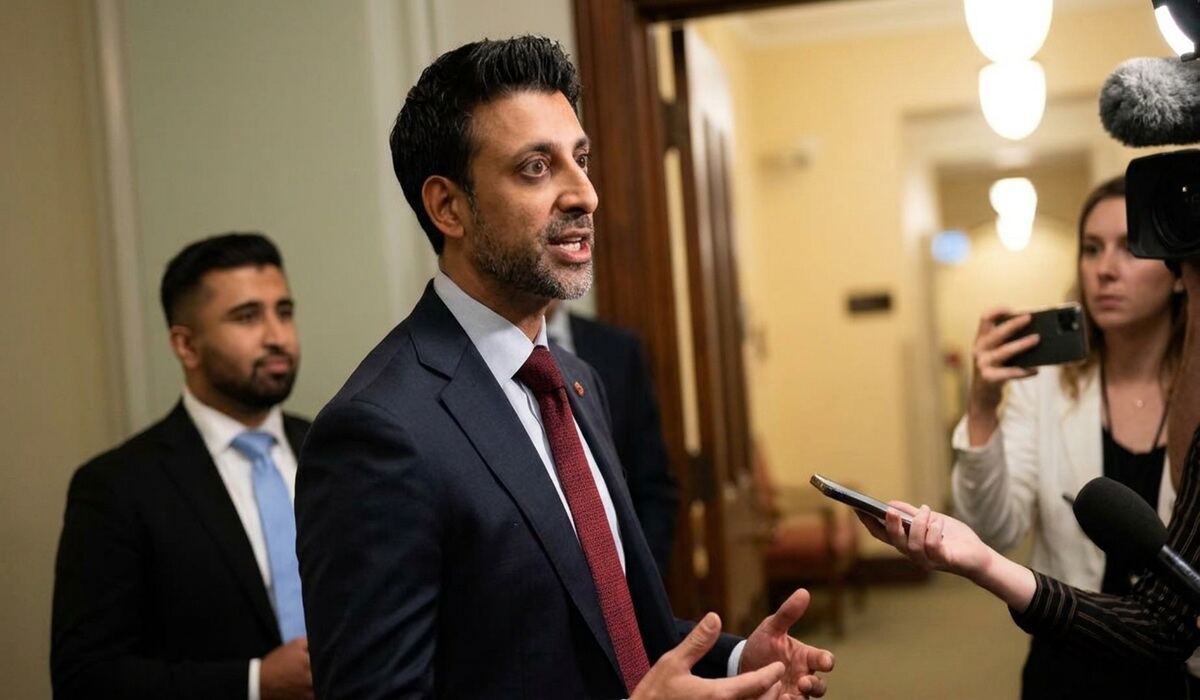
Defense Minister David McGuinty rejected assertions contained in a Pentagon fact sheet released earlier this week that accused Canada of failing to prioritize hard military capabilities and falling short as a reliable partner in continental defense. Speaking to reporters in Ottawa, McGuinty said Canadian defense officials had not been formally briefed on the document prior to its circulation and insisted that bilateral military cooperation under NORAD and NATO continues without disruption.
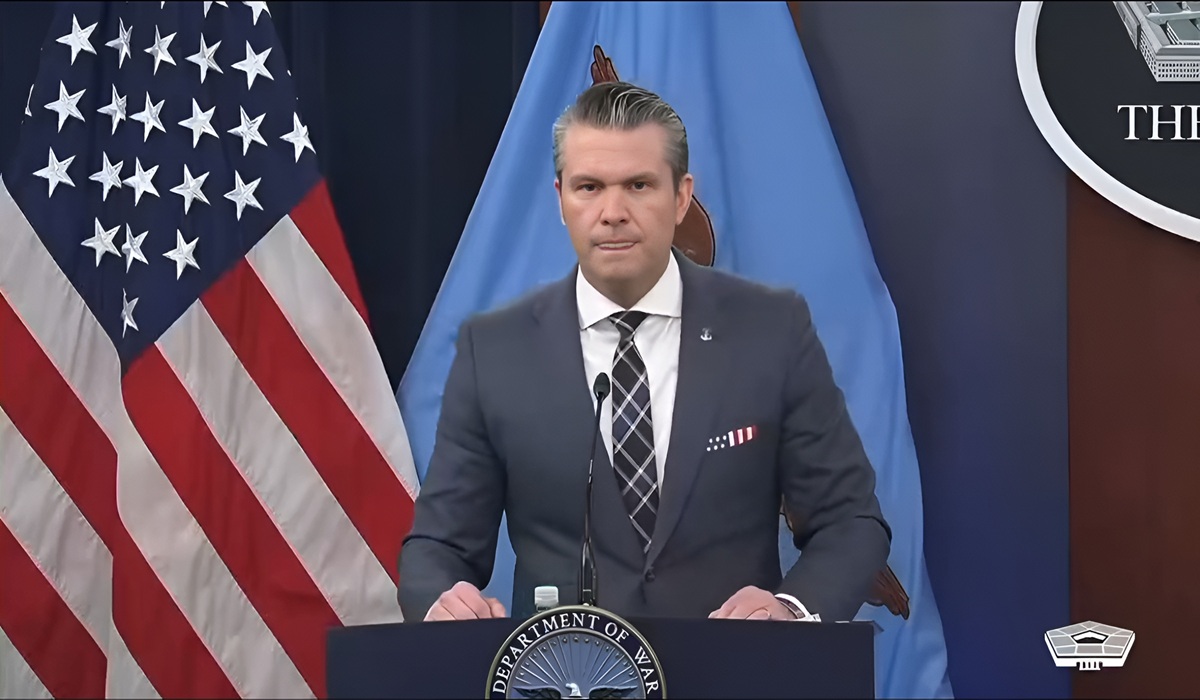
The friction stems from a broader policy shift led by U.S. Defense Secretary Pete Hegseth, who has pressed allied nations to accelerate defense outlays and limit informal diplomatic engagements unless cleared by senior Pentagon leadership. A senior U.S. defense official told reporters in a background briefing that Canada lacks the military scale and capacity to maintain a global posture. Canadian lawmakers and defense officials countered that Ottawa has already committed in its recent federal budget to reaching 2.6 percent of gross domestic product on core military spending by 2030, alongside major procurement contracts for fighter jets, naval vessels, Arctic surveillance systems and new personnel recruitment.
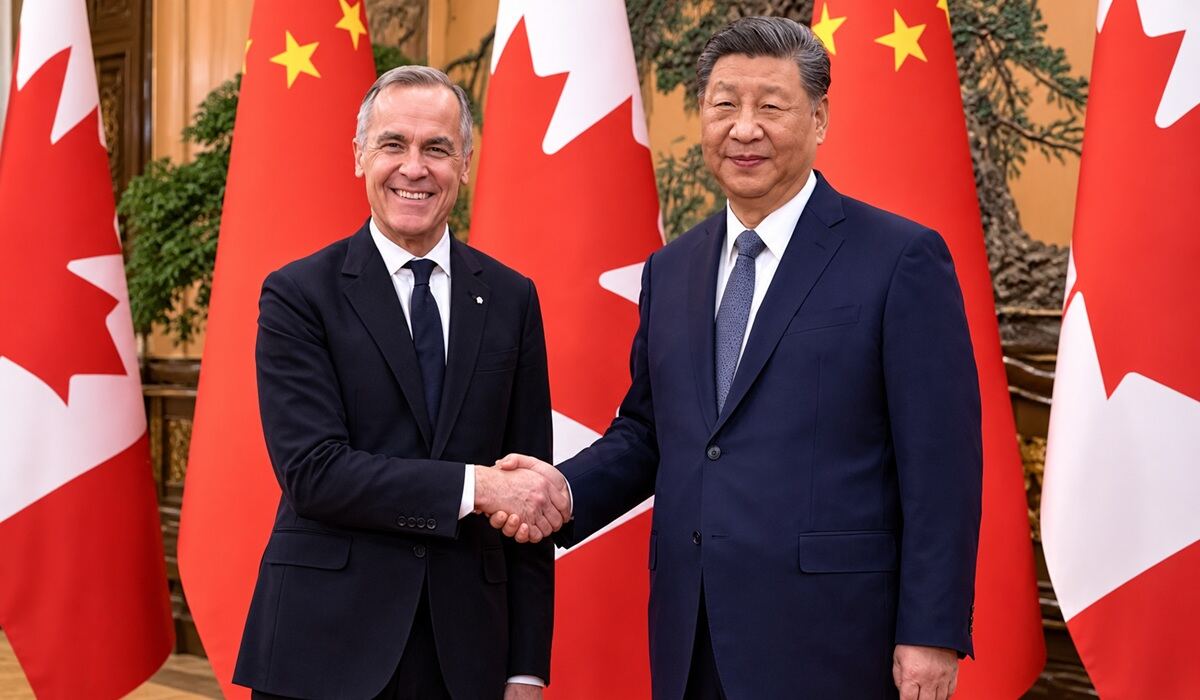
Prime Minister Mark Carney told reporters on Wednesday that U.S. President Donald Trump had not personally raised concerns regarding Canadian military readiness during their recent conversations, suggesting the public rebuke originated within the Defense Department rather than the White House. Carney’s government has spent the past several weeks defending the rapid pace of parliamentary committee work on a major national infrastructure and defense procurement bill designed to speed up capital projects and reduce regulatory bottlenecks.
The defense dispute coincides with mounting economic headwinds for Canadian households and businesses. Financial market economists warned Wednesday that the Bank of Canada is likely to raise its benchmark interest rate by another quarter percentage point to 2.75 percent at its final policy meeting of the year on Dec. 9. The forecast follows remarks by Bank of Canada Governor Tiff Macklem warning that persistent energy cost pass-throughs and global supply shocks are keeping underlying inflation elevated above the central bank’s 2 percent target.
Macklem noted that while the broader Canadian economy has demonstrated greater resilience than anticipated, businesses face rising input costs that could push inflation toward 3.1 percent in 2027 if left unchecked. The central bank already raised its policy rate by 25 basis points to 2.5 percent in October, reversing an earlier easing cycle and adding new borrowing pressure on mortgage holders and corporate borrowers.
At the same time, Ottawa is navigating delicate trade negotiations with Washington over sectoral tariffs on automobiles, steel and aluminum. U.S. trade officials indicated Wednesday that the Trump administration is open to reaching an arrangement that accommodates Canadian industry, though Ontario Premier Doug Ford warned that he will not support any bilateral agreement that undermines domestic manufacturing jobs. Industry data released this week also showed Canadian automakers gradually diversifying supply chains away from U.S. imports following months of tariff uncertainty.
On the domestic front, federal and provincial authorities are managing severe weather and public health updates. Environment Canada issued orange-level rainfall warnings across parts of the British Columbia coast as a potent Pacific storm system brought heavy downpours and localized flood risks. Meanwhile, Health Canada issued an advisory noting that popular GLP-1 weight loss and diabetes medications may carry a very rare but serious risk of vision loss, advising physicians and patients to monitor symptoms closely.
Despite the overlapping economic, weather and diplomatic pressures, federal ministers maintained that Canada’s legislative and security priorities remain firmly on track heading into the winter parliamentary session.
About The Author