Bearing Witness: Rob Berkowits Carries His Father Alex Berkowits’ Story Forward
- Don Woodstock
- Canada
- April 21, 2026
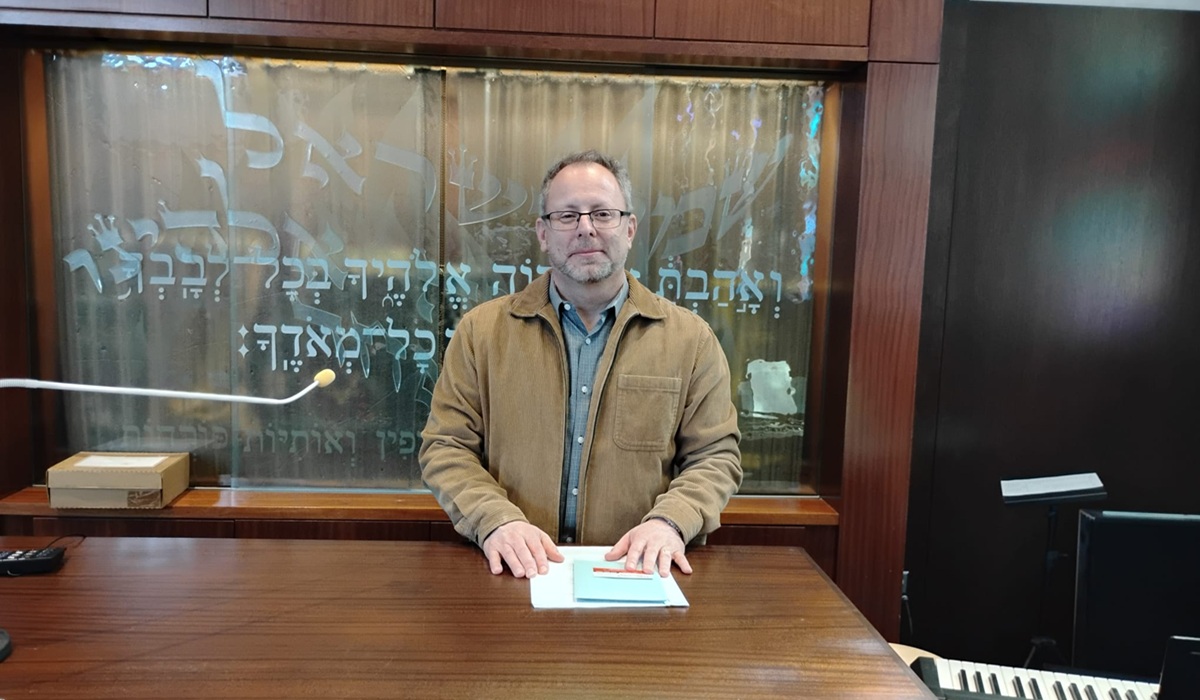
There are stories that demand more than a simple telling. They require context, clarity, and the willingness to face what they reveal about humanity at its worst and, somehow, at its most enduring. The story of Alex Berkowits is one of those stories. It is not only about survival, but about understanding the conditions he survived, the forces that shaped his journey, and the meaning of carrying that history forward.
He was a young Jewish man from Eastern Europe whose life was violently interrupted during the Holocaust. Not a soldier, not a public figure, just a son and a brother whose world was dismantled piece by piece. His family, like so many others, was forced into the Jewish ghetto of Sighet. Life there was not simply restricted, it was compressed into a state of constant fear. Ghettos were never meant to be permanent. They were staging grounds, isolating entire populations before deportation into something far worse.
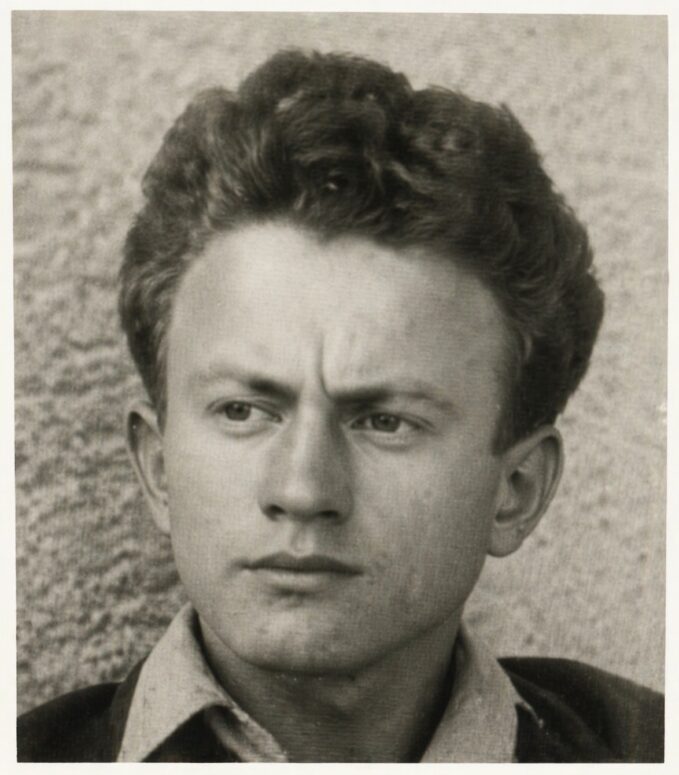
By April of 1944, he was deported to Birkenau, part of the Auschwitz complex. To fully understand that moment is to confront one of the darkest places in human history. Auschwitz was not a single camp, but a system built for forced labour and mass murder. Birkenau, in particular, functioned as an extermination site where countless people were killed almost immediately after arrival. Those who were not murdered outright were pushed into a cycle of starvation, disease, and relentless labour.
His time in Birkenau lasted only a couple of days, but even that brief window carried enormous risk. Survival there was never guaranteed, not even for an hour. He was then moved to Auschwitz, a shift that did not offer safety, only a continuation of brutality under a different structure. Movement within that system often meant little more than surviving one nightmare only to be placed into another.
One of the most harrowing elements of his journey was the repeated avoidance of death marches. These were forced evacuations carried out as Allied forces advanced toward the end of the war. Prisoners were driven on foot across long distances, often in freezing conditions, with little food, inadequate clothing, and guards who showed no hesitation in killing those who could not keep up. People collapsed from exhaustion or hunger and were left where they fell. Others were shot outright. These were not relocations in any humane sense. They were deadly processes designed to maintain control and, in many cases, ensure that prisoners would not live to see liberation.
He managed to avoid several of these marches, something that cannot be reduced to luck alone. Each escape from that fate represented a narrow margin between life and death. Instead, he was transferred through a chain of camps, including the Janina Coal Mines, Monowitz-Buna, and Gliwice. Each location brought its own form of suffering, centered on forced labour under conditions that pushed the human body beyond its limits.
Throughout it all, family remained both a source of strength and a painful reminder of what was being lost. He stood alongside his brothers and father at different points, even as they were repeatedly separated. That separation was not incidental. It was part of the design, breaking bonds and isolating individuals. In the end, both of his parents, his sister, and extended family members were murdered. The scale of that loss is difficult to put into words, because it was not just personal. It reflected a broader, systematic attempt to erase entire communities.
His final transfer brought him to Buchenwald. Conditions there remained severe, but it would become the place where survival finally intersected with liberation. On April 11, 1945, American forces arrived, freeing roughly 21,000 prisoners. Freedom, in that moment, was not a return to normal life. It was the end of immediate danger and the beginning of figuring out how to live again after everything that had been endured.
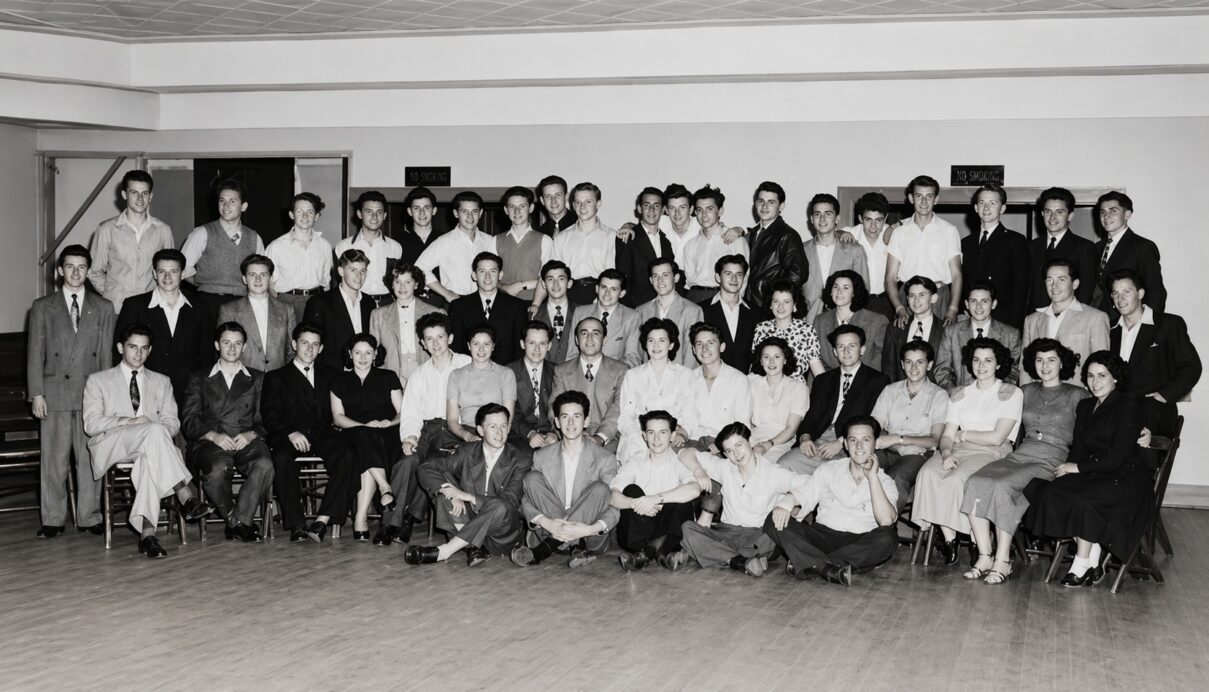
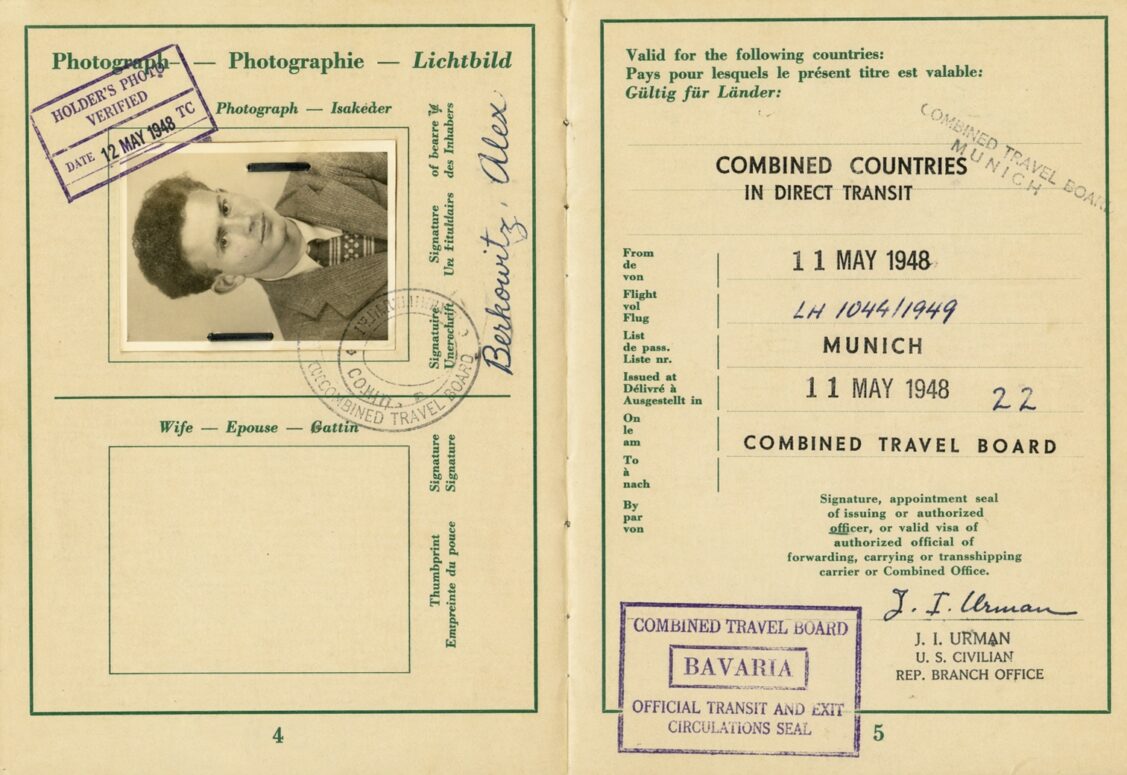
What followed is just as important as what came before. He was reunited with his three brothers, something that stands out as remarkable given the destruction surrounding them. In a story defined by loss, that reunion carried real weight. It was proof that something had survived beyond the camps. In time, he built a life, eventually marrying a Canadian woman from Saskatoon and creating a future that existed alongside the memory of what had been lost.
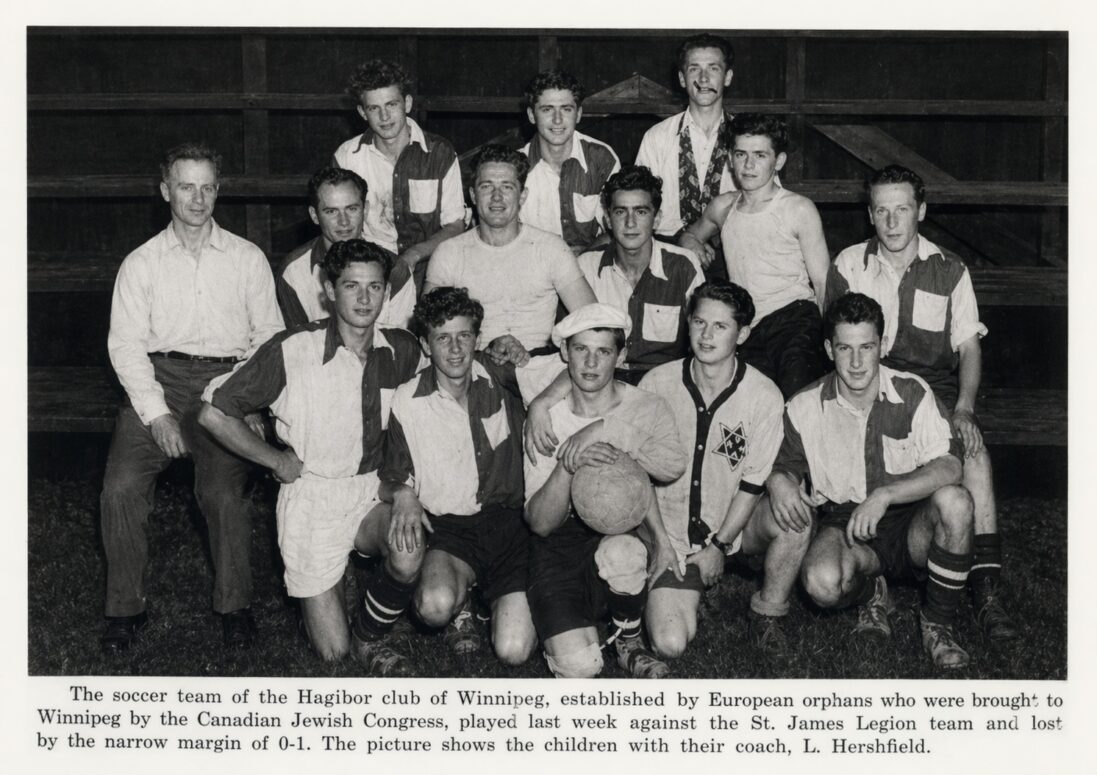
What often goes unsaid in stories like this is the sheer force of will required not just to survive, but to choose life afterward. The father at the center of this story did not simply make it through by chance. He endured pain and anguish on a scale most people will never comprehend, and still found a way forward. More than that, he willed himself forward. From the ruins of Europe, he crossed an ocean, arrived in Winnipeg, and began again. Starting a family in a place so far removed from where everything had been taken from him was not just a new chapter. It was a quiet act of defiance, a refusal to let that past be the final word.
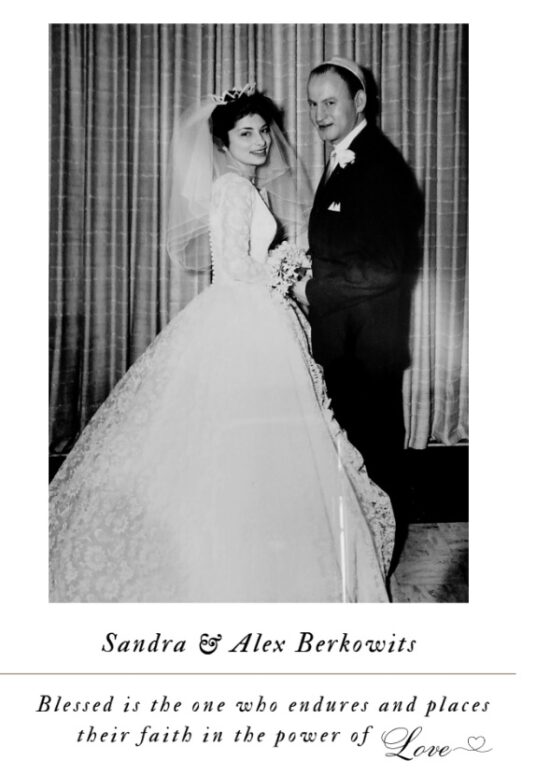
At the heart of that new life was the matriarch Sandra Berkowits, a figure whose strength is easy to overlook if the focus remains only on survival in the camps. She was the stabilizing force, the one who ensured that trauma did not define the household, that it did not fracture what had already endured so much. Being a strong woman in this context was not symbolic. It meant holding together a family shaped by loss, creating an environment where healing could begin without denying what had happened. It meant raising children with both awareness and possibility, ensuring they understood their history while still believing in their future. Where history has shown how horrific circumstances can break families and communities, her presence helped this one remain intact, grounded, and ultimately able to thrive.
Sandra’s strength carried its own quiet depth. One can only imagine the nights when the past returned without warning, when her husband might have woken in a cold sweat or sat in silence, lost somewhere far away. In those moments, strength was not loud or dramatic. It was presence. It was understanding without words, knowing when to speak and when to simply sit beside him. As a partner, his history became her history, not in the sense of having lived it, but in the responsibility of carrying it, holding it, and helping to make sense of it within a family trying to move forward. Sandra became a conduit between what was endured and what would be passed on, ensuring that the children did not just hear the story, but felt its meaning. In bearing witness to his pain, she absorbed part of it, carried it with grace, and still remained a mother, a confidant, a friend, and a wife who kept the family steady.
That continuation is now visible in the next generation, particularly in the voice of his son, Rob Berkowits. Born and raised in Winnipeg, Rob has spent decades working in community leadership and now serves as CEO of the Rady JCC. When he speaks about his father’s journey, it is not delivered as a distant history lesson. It is personal, grounded, and direct. He has found a way to share these stories in schools, in community spaces, in churches, and anywhere people are willing to listen. The approach is neither overcomplicated nor watered down. It meets people where they are, allowing them to understand without losing the weight of what is being told.
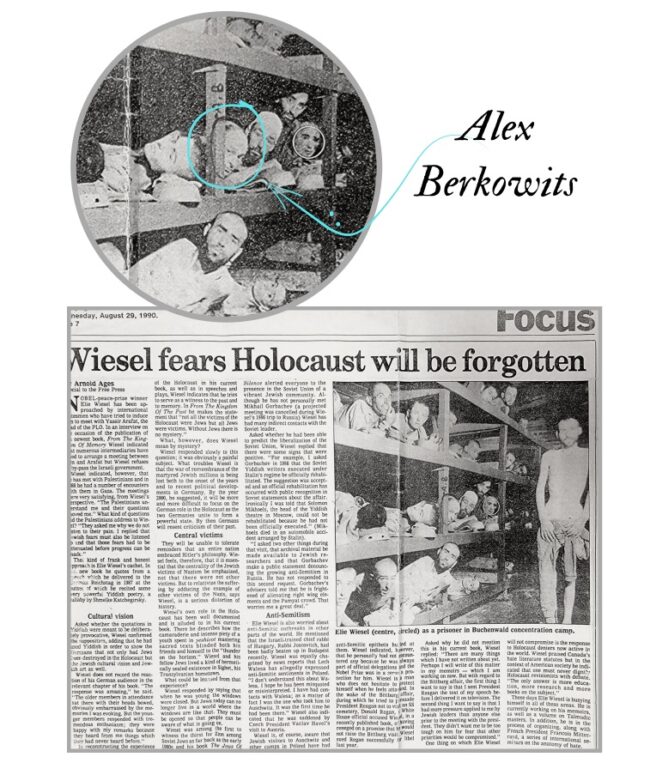
There was one moment shared that lingered long after the presentation ended. Years after the war, his father came across a photograph in a news story, an image of himself that reached back across time. It was not just a picture. It was a doorway into memories that never fully left him. Those memories carried people, moments, fragments of connection formed under unimaginable conditions. They were not “good” in any traditional sense, but they were human, and they were real. In reflecting on that moment in the present day, his son spoke about how deeply it moved him, recognizing how even decades later, those experiences remained close to the surface.
What is unfolding now is something just as important as survival itself. The role of bearing witness has been passed forward. Where the father lived it, the son now carries it. In telling this story, he is bearing witness to his father’s life, to his grandfather’s life, and to the lives that were lost. But it does not stop there. In listening, in understanding, the audience becomes part of that responsibility. We are no longer observers at a distance. We become witnesses as well, holding a piece of that history and ensuring it is not forgotten or reduced to abstraction.
What made the room listen was not dramatic language or forced emotion. It was the reality of it all. The understanding that survival is not a single moment, but a series of decisions, circumstances, and endurance that cannot be easily explained. It is also the understanding that survival comes with memory, and memory does not fade simply because time has passed.
There is something deeply important about hearing stories like this now. Not as distant history, but as lived experience carried forward through generations. It is not about assigning guilt or creating distance. It is about recognition. It is about understanding that the lives people live today are shaped, in part, by those who endured what should never have been possible.
The story of Alex Berkowits does not end with liberation. It continues in the lives of those who carry it, in the strength of the woman who helped rebuild what was nearly lost, and in the quiet but powerful act of bearing witness. Not softened, not exaggerated, but presented as it was. A journey through unimaginable darkness, and the ongoing responsibility to remember, to share, and to ensure that it is never allowed to fade.
About The Author