Carney Government Wraps Up Spring Session With Ambitious Agenda, but Canadians Are Waiting for Results
- Naomi Dela Cruz
- Breaking News
- June 26, 2026
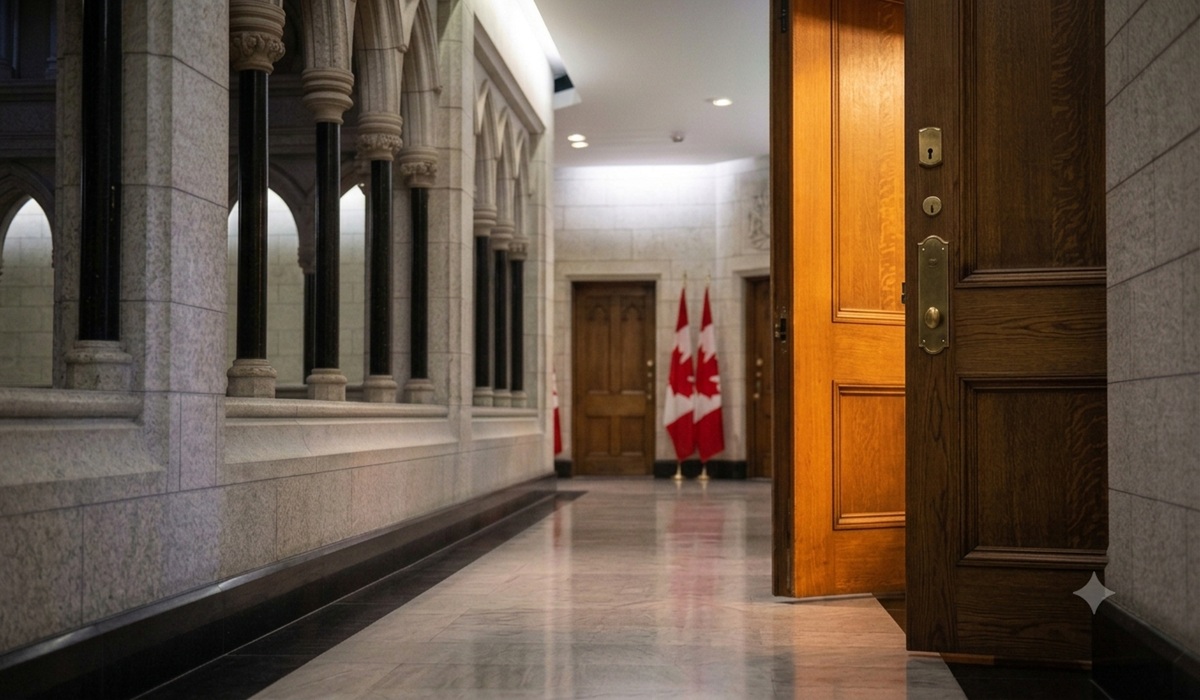
The House of Commons has adjourned for the summer, bringing an end to the first spring sitting under Prime Minister Mark Carney’s government. While Liberal MPs are pointing to a productive legislative session filled with promises to strengthen the economy, improve housing affordability, bolster national security, and redefine Canada’s relationship with its largest trading partner, many Canadians are approaching the summer with cautious optimism rather than outright confidence. After years of hearing governments promise transformational change, the question facing Ottawa is no longer whether it has a plan, but whether that plan will translate into measurable results.
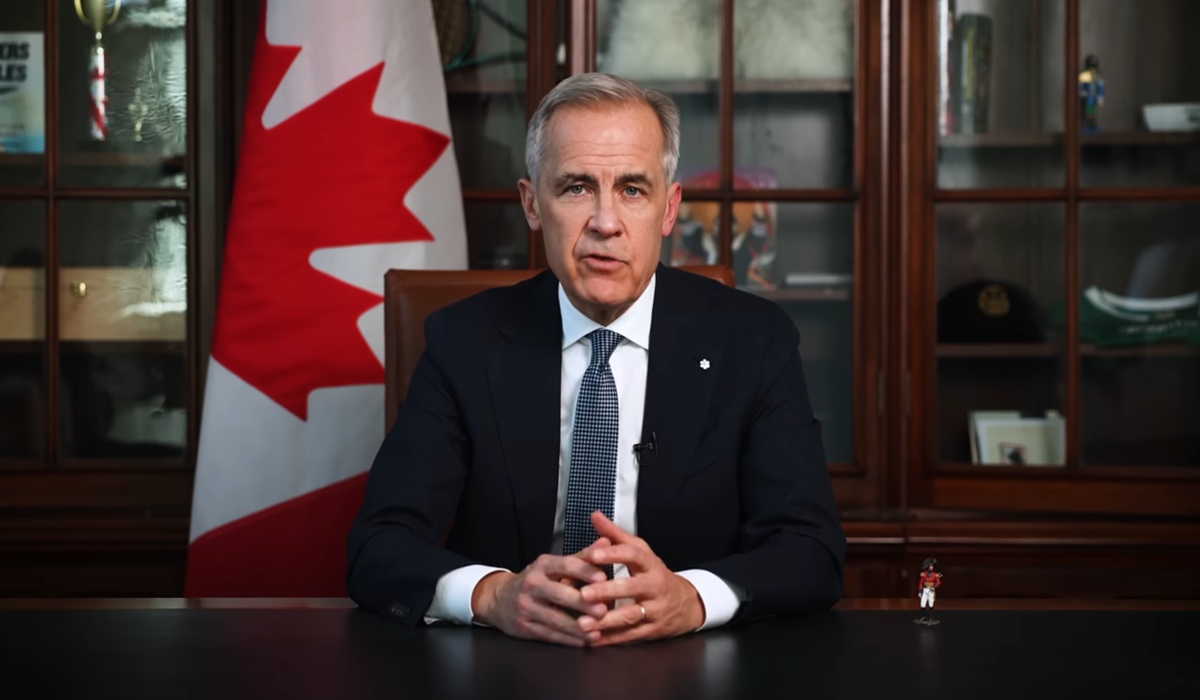
Prime Minister Carney used the close of Parliament to outline what his government views as significant accomplishments during its opening months in office. Among the priorities highlighted were measures aimed at increasing housing construction, removing interprovincial trade barriers, investing in defence, strengthening Canada’s economy in response to growing global uncertainty, and advancing legislation designed to speed up major infrastructure and resource projects. The government argues that these initiatives position Canada to become more competitive while reducing its dependence on foreign markets at a time of growing geopolitical instability.
One of the government’s central messages has been the need to build a stronger and more resilient economy. Carney has repeatedly stated that Canada can no longer assume its economic relationship with the United States will remain unchanged. Ongoing trade tensions, shifting global supply chains, and increasing international competition have convinced Ottawa that Canada must diversify its trading relationships while making it easier for Canadian businesses to invest and grow domestically. That objective has become one of the defining themes of the new government.
Housing remains another issue dominating both Parliament and kitchen table conversations across the country. Home prices and rental costs continue to place extraordinary pressure on families, first-time buyers, seniors, and young professionals. The government has introduced legislation intended to accelerate home construction, reduce bureaucratic delays, and encourage partnerships with municipalities and the private sector. Ministers argue that increasing supply is the only long-term solution capable of restoring affordability to Canada’s housing market.
Whether those measures will be enough remains an open question. Housing experts generally agree that increasing supply is essential, but many also caution that meaningful improvements will take years rather than months. Canadians struggling to find affordable housing today may welcome ambitious announcements, yet they are equally likely to judge governments by cranes in the sky, completed homes, and lower prices rather than legislative speeches or policy documents.
Economic uncertainty has also pushed defence and national security further up the government’s agenda. Canada has committed to increasing defence spending while modernizing its military capabilities and strengthening cooperation with NATO allies. The changing geopolitical landscape, including conflicts in Europe and the Middle East, has reinforced calls for Canada to invest more heavily in national defence while ensuring the country remains a reliable international partner.
The government’s efforts to reduce interprovincial trade barriers have received support from many business organizations that argue Canada’s internal market remains unnecessarily fragmented. Although goods, services, and workers move freely across much of the country, numerous regulatory differences continue to create obstacles that businesses say increase costs and reduce productivity. Ottawa believes removing many of those barriers could generate billions of dollars in additional economic activity without requiring major new spending.
Another priority has been streamlining approvals for nationally significant infrastructure and resource projects. Successive federal governments have faced criticism from industry leaders who argue that regulatory delays discourage investment and reduce Canada’s competitiveness. The Carney government says it intends to maintain strong environmental standards while making approval processes more efficient and predictable. Business leaders have largely welcomed that approach, although environmental organizations continue to caution against sacrificing thorough oversight in the name of speed.
Despite the government’s ambitious legislative agenda, opposition parties remain unconvinced that enough progress has been made. Conservatives argue that Canadians continue to struggle with affordability, inflation, housing shortages, and rising living costs despite repeated promises from Ottawa. They maintain that many of the government’s announcements represent long-term aspirations rather than immediate solutions for families facing financial pressure today. Meanwhile, the New Democratic Party has continued to press for stronger affordability measures and expanded social supports, arguing that economic growth must be accompanied by greater protections for vulnerable Canadians.
Public opinion reflects much of that same uncertainty. Canadians generally support efforts to improve housing affordability, strengthen the economy, and remove barriers to business growth. At the same time, many remain skeptical after years of hearing governments from all political parties announce ambitious plans that ultimately took longer than expected to produce visible results. The public mood is increasingly defined by patience running short and expectations growing higher.
One challenge facing the Carney government is that many of its priorities require cooperation beyond Ottawa. Housing construction depends heavily on provinces and municipalities. Infrastructure projects often involve multiple levels of government as well as private-sector investment. Trade reforms frequently require provincial agreement. Even when Parliament passes legislation, implementation often becomes a shared responsibility that can significantly influence how quickly Canadians see tangible benefits.
International developments will also continue shaping the government’s agenda over the coming months. Canada’s relationship with the United States remains central to the country’s economic future, while global conflicts and trade disputes continue creating uncertainty for exporters and investors. Ottawa’s ability to navigate those external pressures while maintaining domestic economic stability may ultimately become one of the defining tests of Prime Minister Carney’s leadership.
As Parliament rises for the summer, government ministers will undoubtedly describe the spring sitting as productive and forward-looking. They can point to legislation introduced, debates concluded, and policy frameworks established. Those accomplishments are not insignificant, particularly for a government still establishing its priorities and legislative rhythm. Nevertheless, Canadians have heard ambitious promises before, and many are no longer prepared to judge governments solely by announcements.
The months ahead will therefore be less about speeches and more about execution. Families struggling to afford housing will want to see construction accelerate. Businesses seeking investment certainty will expect regulatory reforms to produce faster decisions. Workers concerned about economic uncertainty will look for stronger employment opportunities and rising wages. Communities hoping for infrastructure improvements will expect projects to move beyond the planning stage.
Politics often rewards compelling visions, but it ultimately judges governments by outcomes. Prime Minister Mark Carney has laid out an ambitious roadmap for Canada’s future and used the spring session of Parliament to begin putting that vision into legislative form. Whether those efforts become meaningful improvements in the daily lives of Canadians will determine how this first parliamentary session is remembered. For now, Parliament may have adjourned for the summer, but the real work of delivering on those promises is only beginning.
About The Author