Millions of Syrians Remain Trapped in Legal Limbo as Documentation Crisis Deepens
- Hami Aziz
- Africa
- Breaking News
- June 19, 2026
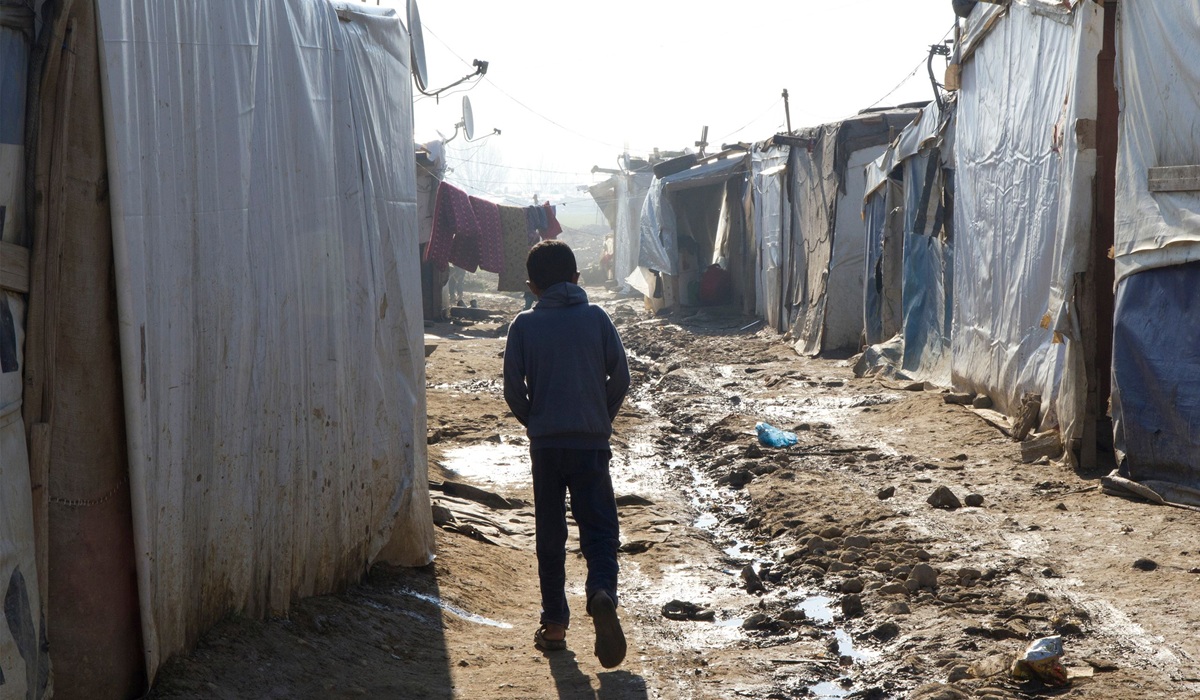
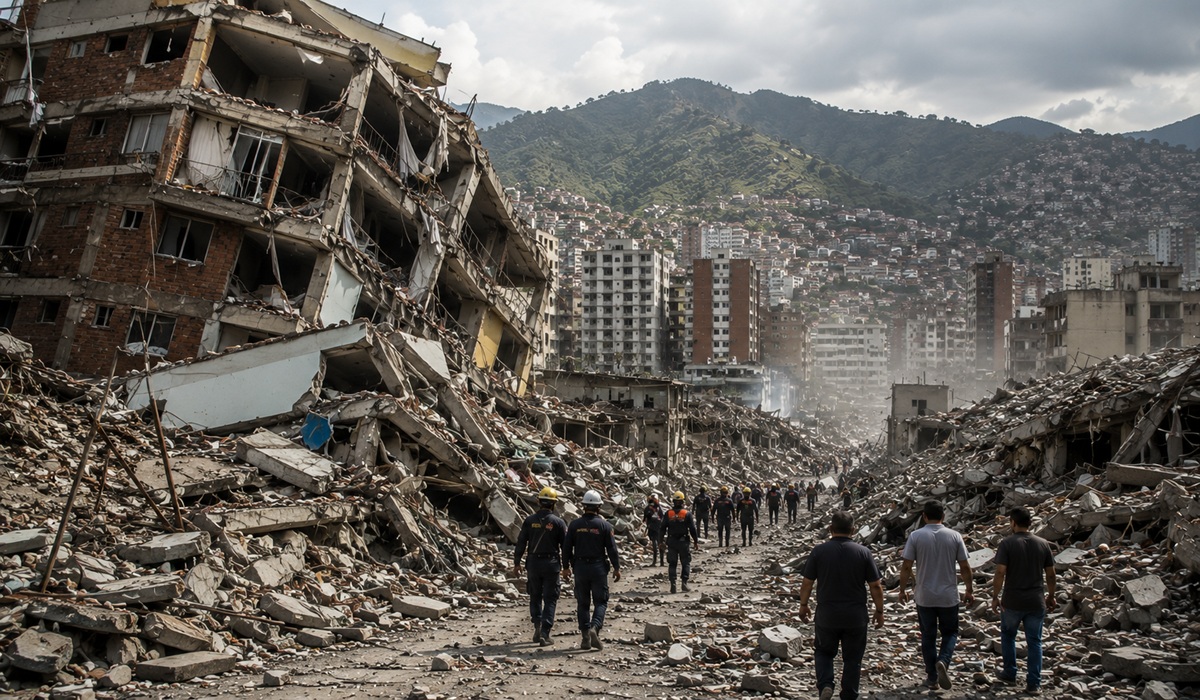
More than a decade after conflict reshaped much of Syria, millions of people continue to face a less visible but equally serious challenge: proving who they are and what they own. A new assessment by the Norwegian Refugee Council (NRC) has found that large numbers of Syrians remain without basic civil documentation, creating barriers to education, healthcare, housing, inheritance rights, and legal protection.
The findings paint a troubling picture of a country still struggling with the long-term consequences of war, displacement, and administrative collapse. According to the assessment, nearly two-thirds of Syrian households surveyed reported that at least one family member lacks essential civil documentation. These missing records include birth certificates, identification papers, family registration documents, and other records required to access public services and establish legal status.
The issue is particularly severe among families that have returned to Syria following political changes that began in late 2024. The report found that 80 per cent of returnee households continue to face documentation gaps, highlighting the challenges many families encounter when attempting to rebuild their lives after years of displacement.
Without proper documentation, everyday activities that many people take for granted become difficult or impossible. Children can face obstacles enrolling in school, families may struggle to access healthcare, and individuals often encounter significant barriers when attempting to secure employment or government services. In some cases, people are unable to legally prove their own identity or family relationships.
Housing rights represent another major concern. Although most surveyed households reported owning or renting a home, more than six in ten said they lack formal documentation proving their housing rights. The absence of legal records leaves families vulnerable to disputes, property claims, and potential eviction.
Women face some of the most significant challenges. The assessment found that 70 per cent of women surveyed lack formal property documentation, a considerably higher rate than men. For women whose husbands are missing due to conflict, the situation can become even more complicated. Nearly nine out of ten women in that situation reported being unable to access property or legal rights tied to their spouse because inheritance proceedings often require a death certificate or legal declaration of death.
Even when women seek legal recognition of a missing spouse’s status, progress can be slow. Only about one-quarter of women pursuing a declaration of death or absence have successfully completed the process, while most cases remain unresolved.
The report also identified growing concerns around housing security. More than one in five households reported facing the risk of eviction, and the majority of those at risk said they received no formal notice before eviction proceedings began. Such circumstances can leave already vulnerable families with little opportunity to challenge decisions or seek legal assistance.
Accessing legal support remains difficult for many Syrians. High legal fees, administrative complexity, and limited access to legal services continue to prevent many families from obtaining the documentation needed to secure their rights. For people living in poverty or recovering from years of displacement, even modest administrative costs can become significant obstacles.
The assessment was conducted across nine governorates, including Aleppo, Damascus, Hama, Homs, Daraa, Idleb, Al-Hasakeh, Ar-Raqqa, and Rural Damascus. Researchers gathered information from 1,200 households and supplemented the data with focus group discussions, interviews, and institutional observations to better understand the challenges facing communities throughout the country.
The Norwegian Refugee Council is calling for reforms that would simplify civil documentation procedures, standardize administrative requirements, and reduce legal fees. The organization is also urging international donors to increase funding for access-to-justice programs that help people resolve documentation issues, property disputes, and inheritance claims.
For many Syrians, rebuilding their lives is about more than repairing homes or returning to communities. It also involves restoring the legal identity and rights that allow individuals and families to fully participate in society. Until those challenges are addressed, millions will remain caught between recovery and uncertainty, unable to secure the legal recognition that forms the foundation of everyday life.
About The Author