The World Cup Delivers Another Reminder That Football Is More Than a Game
- Kingston Bailey
- Sports
- June 26, 2026

Image Credit Pexels
As the 2026 FIFA World Cup continues to captivate billions around the globe, the tournament has once again proven why it remains the world’s most watched sporting event. Every match has carried consequences, every goal has shifted expectations, and every nation still alive in the competition understands that one moment can define an entire generation of players. With the group stage nearing its conclusion and the knockout rounds rapidly approaching, the tournament has already delivered the drama, surprises, heartbreak, and unforgettable moments that football fans have come to expect.
Perhaps one of the biggest stories has been the continued rise of countries that, until recently, were viewed as outsiders on the world stage. Traditional football powers remain dangerous, but the gap between the established giants and emerging nations continues to narrow. Better coaching, improved youth development, and increased investment across every continent have transformed the international game into one where no opponent can be taken lightly.
Canada has become one of the tournament’s biggest talking points. Hosting the World Cup for the first time alongside the United States and Mexico, expectations surrounding the Canadian men’s national team were higher than ever before. Rather than simply enjoying the experience of playing on home soil, Canada entered the tournament believing it could compete with anyone. Advancing to the Round of 32 represents another important milestone in the country’s football journey and reflects years of investment in developing the sport from the grassroots level through to the professional ranks.
The significance of Canada’s success extends far beyond one tournament. For decades, hockey has dominated the country’s sporting identity, while soccer often occupied a secondary role despite growing participation numbers among young Canadians. That perception has changed dramatically over the past decade as Canadian players have established themselves in some of Europe’s top leagues and the national program has steadily climbed the international rankings. Success on the World Cup stage only accelerates that transformation.
Elsewhere in the tournament, several traditional favourites have continued to demonstrate why they remain among football’s elite. Nations with deep international experience have managed to navigate the pressure of the group stage while adapting to increasingly competitive opposition. At the same time, a handful of pre-tournament favourites have discovered that reputation alone guarantees nothing once the opening whistle blows. Every World Cup reminds supporters that history can inspire confidence, but it never scores goals.
The expanded 48-team format has generated considerable discussion throughout the tournament. Critics initially questioned whether increasing the number of participating nations would dilute the quality of competition. Instead, many of the additional qualifiers have shown they belong on football’s biggest stage. Competitive matches featuring nations making historic appearances have reinforced FIFA’s belief that expanding global participation strengthens rather than weakens the tournament.
From a commercial standpoint, the World Cup continues to demonstrate the extraordinary global influence of sport. Stadiums have been filled with supporters representing every continent, television audiences remain among the largest ever recorded, and host cities continue welcoming hundreds of thousands of international visitors. Hotels, restaurants, transportation providers, and local businesses have all benefited from the economic activity generated by the tournament, reinforcing why hosting the World Cup remains one of the most sought-after opportunities in international sport.
The tournament has also highlighted football’s remarkable ability to unite people across political, cultural, and linguistic boundaries. For ninety minutes, differences that often divide nations temporarily fade into the background as supporters rally behind a common purpose. Families gather, friendships are tested, workplaces pause, and entire cities come alive whenever their national team takes the field. Few events anywhere in the world possess that unique ability to bring together people from such diverse backgrounds through a shared passion.
Technology has once again played an important role in shaping the competition. Video Assistant Referee reviews, goal-line technology, and advanced player tracking systems continue to improve decision-making while providing coaches and analysts with unprecedented insight into performance. Although debate surrounding officiating will always remain part of football, technological advancements have significantly reduced many of the controversies that once overshadowed major international tournaments.
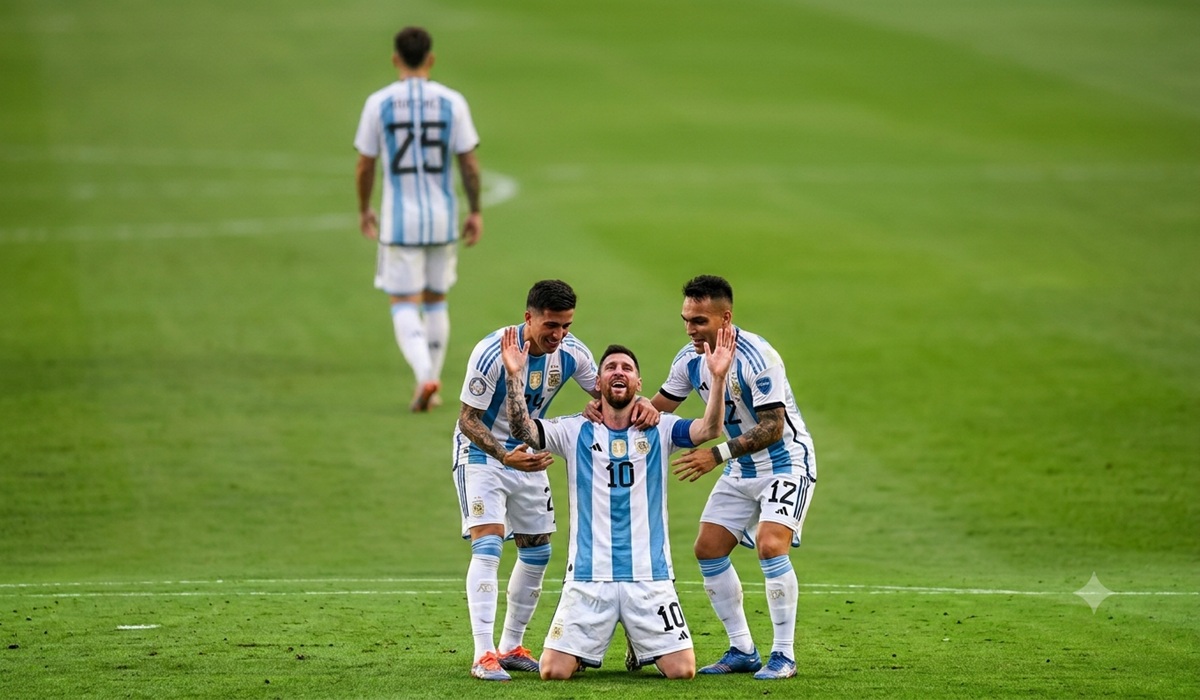
Individual performances have also reminded fans why the World Cup serves as the ultimate showcase for football’s biggest stars. Established veterans are attempting to add one final chapter to legendary careers, while younger players are introducing themselves to millions of viewers who may be watching them on the international stage for the very first time. Every tournament creates new heroes, and this year’s competition is proving no different.
Perhaps most importantly, the World Cup continues to inspire future generations. Across parks, schoolyards, and community fields around the world, children are already attempting to recreate the goals, celebrations, and memorable moments they have witnessed over the past several weeks. That inspiration represents one of football’s greatest legacies. Long after trophies are lifted and medals are awarded, countless young players will begin dreaming that one day they too could represent their country on the sport’s biggest stage.
As the knockout rounds approach, the margin for error disappears entirely. The group stage allows teams time to recover from an occasional setback, but elimination football offers no such luxury. One mistake, one missed opportunity, or one brilliant individual performance can determine who continues chasing history and who begins the long journey home. That reality is what makes the World Cup unlike any other sporting competition.
For Canada, the coming days represent another opportunity to continue making history. For the traditional football powers, the objective remains unchanged: survive, advance, and ultimately lift the most coveted trophy in international sport. For supporters around the world, however, the appeal goes much deeper than simply winning or losing. The World Cup reminds us that sport has an extraordinary ability to inspire hope, create unforgettable memories, and unite people in ways that few other events can.
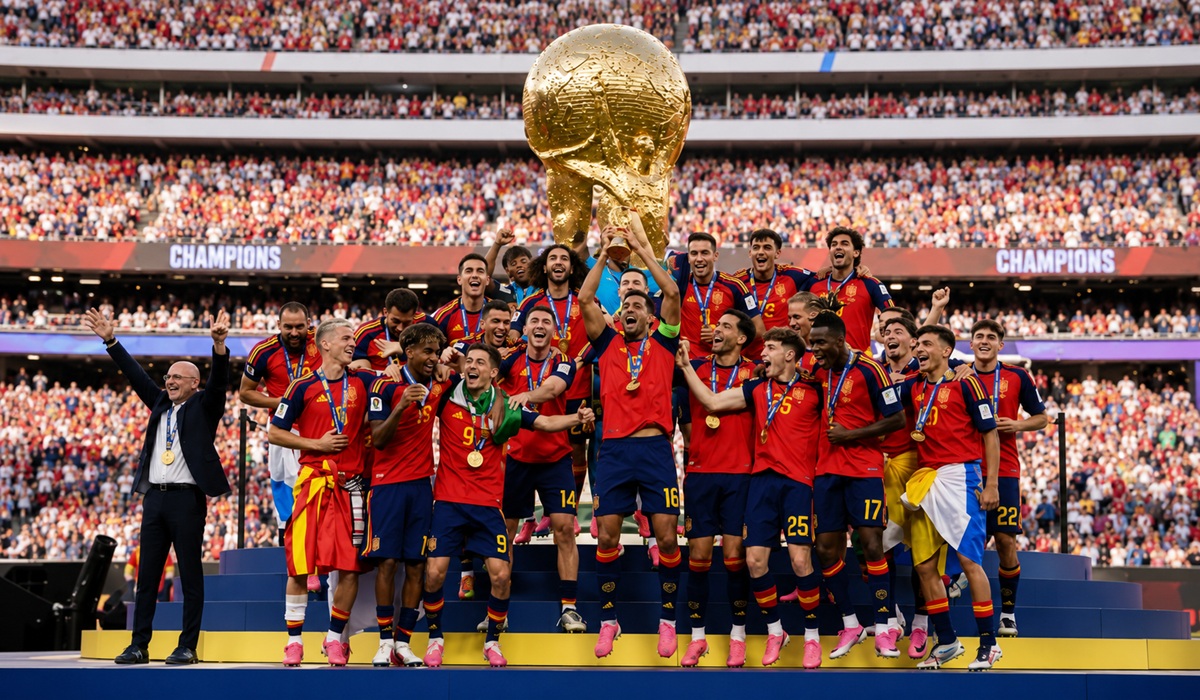
When the final whistle eventually blows on this tournament, one nation will celebrate becoming world champion. Yet the lasting legacy of every World Cup extends well beyond the champion itself. It is found in the dreams inspired, the barriers broken, the new football nations that emerge, and the millions of supporters who once again discover why the beautiful game continues to capture the imagination of the world.
About The Author