Venezuela’s Transition Faces New Challenges as the Country Searches for Stability After Maduro
- Hami Aziz
- Latin
- Breaking News
- June 17, 2026
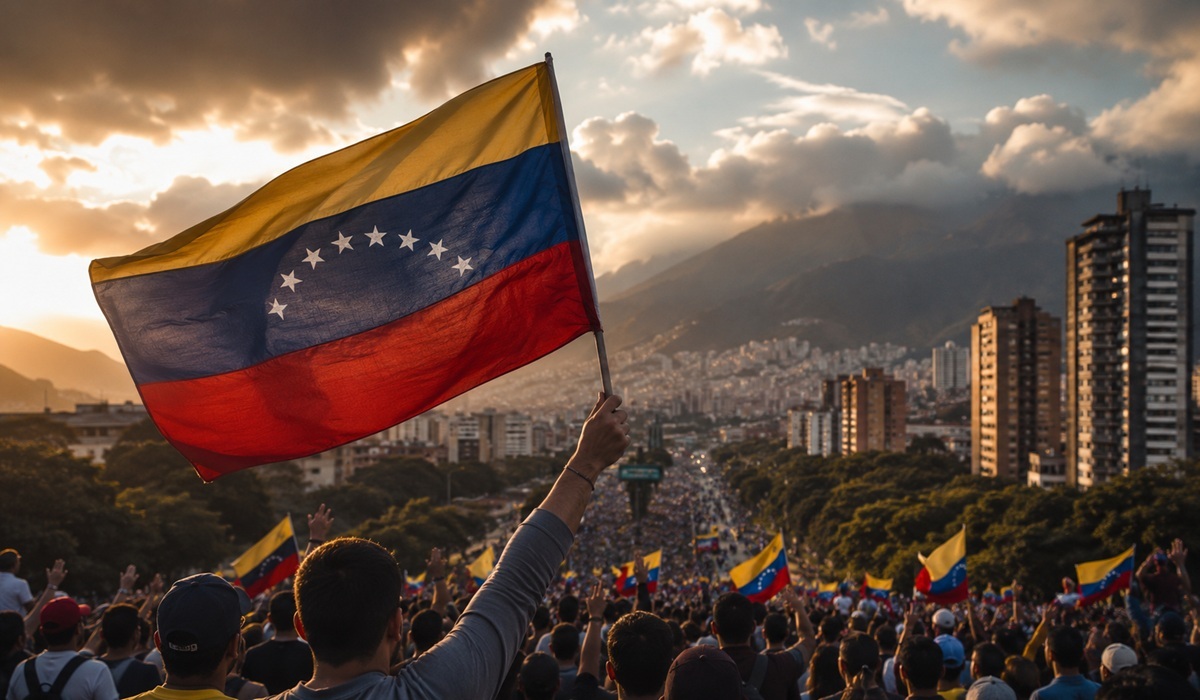
The story unfolding in Venezuela continues to attract international attention as the country navigates the difficult process of moving beyond the Maduro era. While Nicolás Maduro’s departure from power marked a significant political turning point, many observers caution that removing a leader is only the beginning of a much longer transition. The deeper institutions, power networks and political structures built over years of centralized control remain influential, creating uncertainty about the country’s long-term direction.
Interim political figures and opposition leaders have continued discussions surrounding democratic reforms, electoral oversight and the restoration of public trust in government institutions. Opposition leader María Corina Machado remains one of the most prominent voices advocating for a genuine democratic transition and internationally monitored elections. Her supporters argue that meaningful reform requires more than leadership changes and must include structural guarantees designed to prevent a return to authoritarian governance.
Human rights organizations and international observers have welcomed some recent developments, including the release of certain political prisoners and discussions regarding electoral reforms. At the same time, concerns remain regarding the continued influence of security institutions and individuals connected to the previous government. Analysts warn that transitions often become vulnerable when former power structures remain capable of shaping outcomes behind the scenes.
The United States and several regional governments continue to monitor developments closely. International leaders have expressed support for a stable and peaceful transition while encouraging Venezuelan authorities to maintain commitments to democratic principles. However, balancing stability with accountability remains a difficult challenge. Moving too slowly risks preserving old systems, while moving too quickly can create political instability and uncertainty.
Economic recovery represents perhaps the greatest challenge facing the country regardless of who ultimately governs. Years of sanctions, inflation, declining investment and institutional instability have left significant damage throughout Venezuela’s economy. Public infrastructure, healthcare services and employment opportunities continue to require substantial rebuilding efforts. For many Venezuelans, economic concerns remain just as important as political reforms.
International businesses and investors have expressed cautious interest in Venezuela’s future, particularly given the country’s significant natural resource reserves. However, most investors remain hesitant until there is greater certainty surrounding property rights, regulatory stability and the rule of law. Political stability alone will not guarantee economic recovery, but many experts believe it is a necessary foundation for attracting the investment needed to rebuild key sectors of the economy.
Ultimately, the success of Venezuela’s transition will be measured not by political speeches or diplomatic statements but by tangible improvements in people’s lives. Citizens will be watching for better employment opportunities, affordable food, functioning public services and stronger democratic institutions. Until those changes become visible on a broad scale, Venezuela will remain a nation in transition, balancing hope for the future against the lingering realities of its recent past.
About The Author