By: Donovan Martin Sr, Editor in Chief
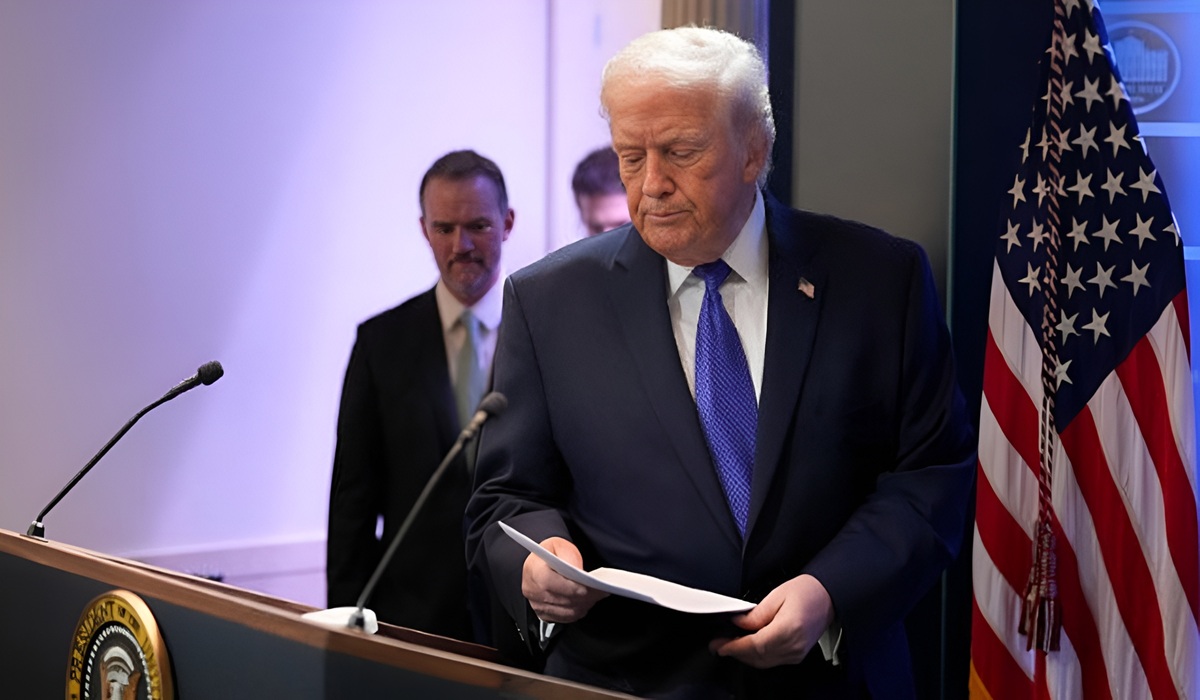
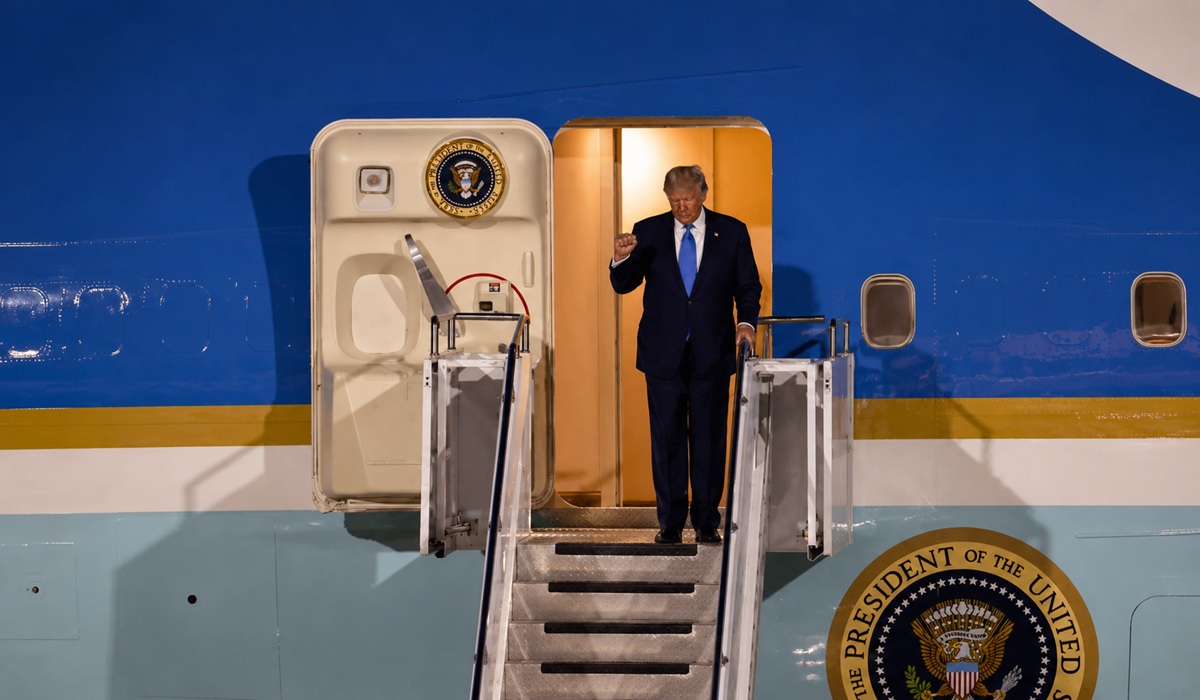
The arrival of U.S. President Donald Trump in China was expected by many political observers to generate the kind of oversized attention that has followed him for years. Instead, the visit appeared to land with a far more restrained tone across major national coverage, creating the impression that Beijing had little interest in turning the moment into a global political spectacle. Coverage certainly existed, and the meetings themselves remain highly significant, but the traditional hoopla and pandemonium that often surrounds a high-profile American presidential visit seemed noticeably absent from the front pages of major newspapers and dominant media positioning across the country.
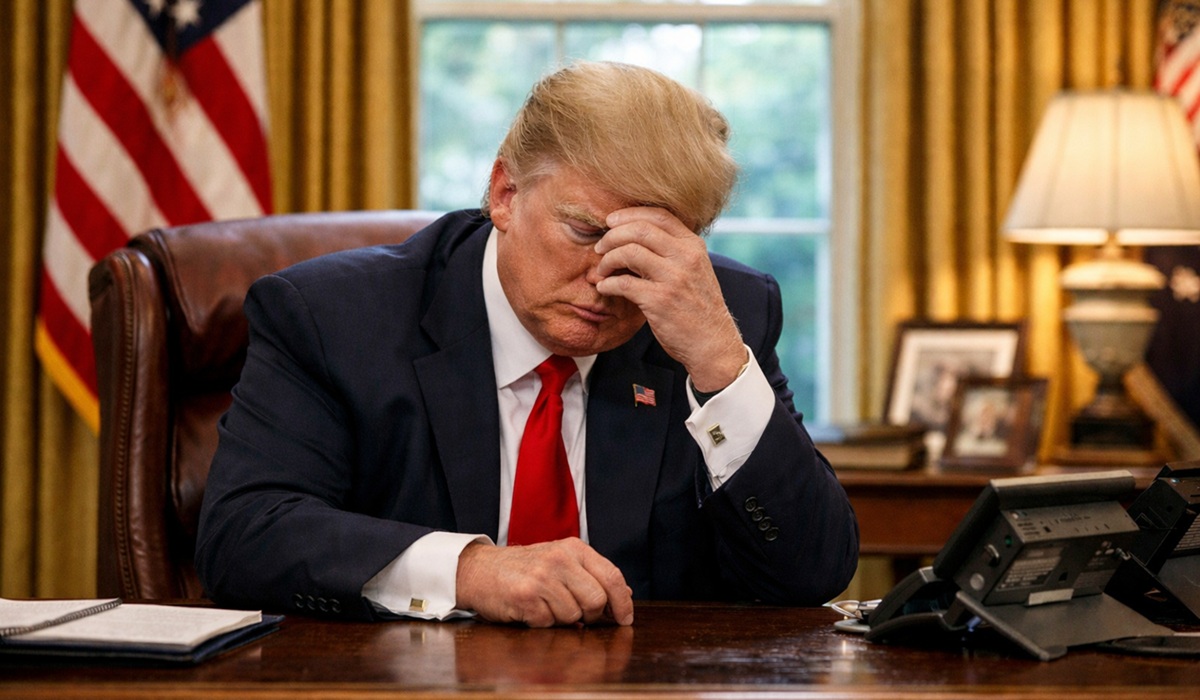
For a political figure whose public image has long been tied to commanding headlines, dominating airtime, and becoming the center of every room he enters, the atmosphere surrounding the trip felt unusually measured. Rather than appearing as a defining international moment, the visit came across more like a formal diplomatic engagement being fulfilled because both nations understood it needed to happen. The visual energy surrounding the arrival simply did not appear to match the scale many would have expected only a few years ago.
What stood out most was not hostility, but restraint. There were no signs of the kind of overwhelming national media frenzy that has historically accompanied major visits involving American presidents. The tone appeared disciplined, controlled, and carefully calibrated rather than emotionally amplified. Officials met because the relationship between Washington and Beijing remains one of the most consequential geopolitical dynamics in the world, particularly at a time when trade, technology, military positioning, manufacturing, and global influence continue shaping international politics. Yet despite the importance of those discussions, the broader presentation surrounding the arrival projected a sense that the leadership was more interested in substance than spectacle.
That alone may represent a subtle message.
For years, the American president has relied heavily on optics, intensity, and saturation coverage to project influence both domestically and internationally. Even critics have acknowledged his unmatched ability to dominate the political conversation and pull attention toward himself. In previous eras, visits involving major American leaders often became highly choreographed showcases filled with symbolic imagery, extensive press focus, and carefully amplified diplomatic theater. This time, however, the quieter tone surrounding the visit appeared intentional, almost as though the leadership wanted to signal that it no longer felt compelled to elevate the moment into a global media event.
None of this diminishes the importance of the meetings themselves. The relationship between the world’s two largest economic powers remains deeply interconnected despite years of friction and strategic rivalry. Every discussion involving tariffs, semiconductor restrictions, Pacific security, artificial intelligence, manufacturing, and international trade carries enormous implications for global stability and financial markets. Diplomats and analysts around the world will continue examining every public statement and private signal emerging from the meetings. Still, perception matters in politics, and symbolism matters even more in international diplomacy.
The quieter atmosphere surrounding the visit may ultimately become one of the defining takeaways from the trip itself. Beijing did not need dramatic language or aggressive rhetoric to communicate confidence and control. Sometimes the absence of spectacle says more than the spectacle itself. By appearing to treat the visit as an important but routine diplomatic engagement rather than a massive media event, the leadership may have subtly communicated that the political gravity surrounding the American president no longer automatically commands the same level of fascination or amplification it once did.
For the White House, that reality presents an unusual challenge. Political movements built around commanding attention depend heavily on maintaining a sense of momentum, visibility, and emotional engagement from audiences around the world. A quieter reception abroad, particularly from a global superpower, creates a very different visual narrative than the one many supporters and critics alike have grown accustomed to seeing over the years.
In the end, the most revealing image from the visit may not be the meetings behind closed doors or the carefully staged photographs released afterward. It may simply be the quieter reality surrounding them: a high-profile arrival that appeared to generate respect and diplomatic formality, but without the overwhelming front-page frenzy and media saturation that once seemed almost guaranteed wherever Donald Trump went.
About The Author