Africa Is Facing Global Pressures While Continuing to Assert Its Own Direction
- Naomi Dela Cruz
- Africa
- Tiger's Eye Advisory Group - Trending News
- April 20, 2026
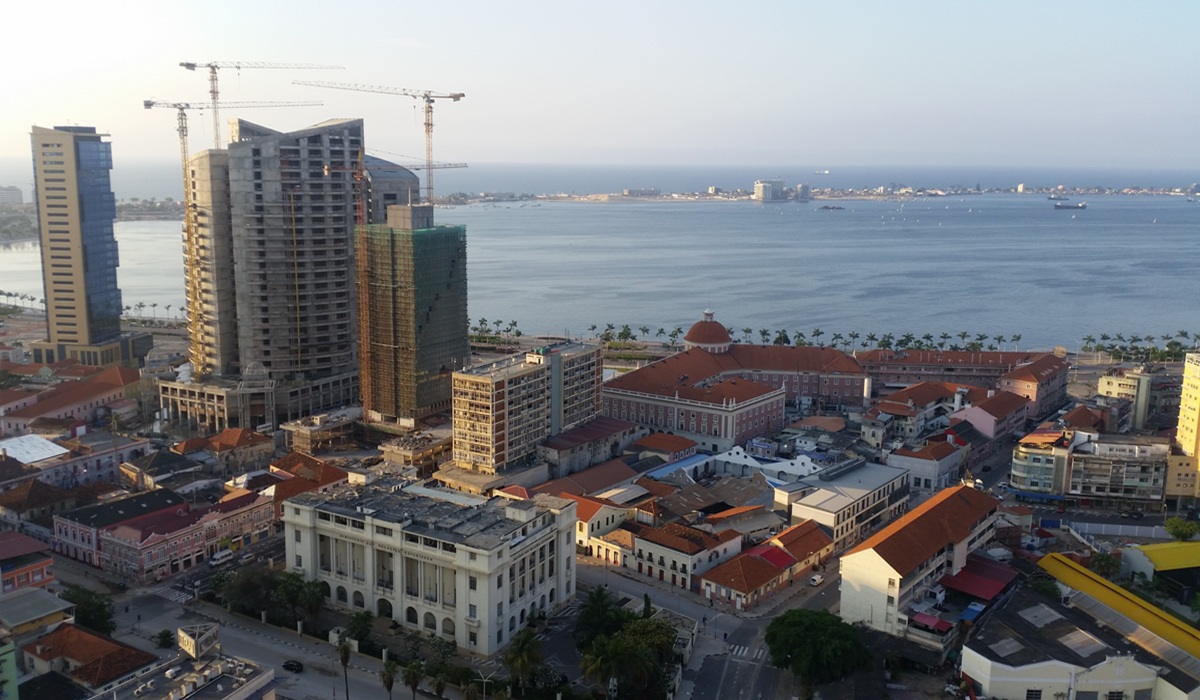
Image credit: Bruno Madeira
Africa’s latest developments reflect a continent dealing with both internal challenges and external pressures while continuing to assert its importance on the global stage. Recent events have highlighted the complexity of this moment, where political, economic and social forces are intersecting in ways that demand attention beyond traditional narratives.
One of the most visible moments came with a major public gathering in Angola, where global attention was drawn to both the country’s progress and its ongoing struggles. The message delivered there focused on unity, healing and the need to address long-standing inequalities. Angola, like many countries in the region, represents a broader pattern. It is rich in natural resources yet still grappling with widespread poverty and uneven development.
This gap between wealth and lived reality remains one of the defining issues across the continent. Resource extraction has often generated significant revenue, but the distribution of that wealth has been inconsistent. In many cases, communities closest to those resources see the least benefit. That imbalance continues to shape political debates and public expectations.
At the same time, Africa is dealing with economic pressures linked to global events. Conflicts, trade disruptions and shifting financial conditions have created challenges for growth and stability. Countries are being forced to adapt to circumstances that are often beyond their control, while still addressing domestic needs such as infrastructure, healthcare and education.
Investment remains a key part of the conversation. There are ongoing efforts to attract both regional and international capital, particularly in sectors like energy, technology and manufacturing. These investments are seen as essential for long-term development, but they also come with questions about sustainability and local impact. The balance between growth and equity is a constant consideration.
There is also a growing emphasis on political accountability. Citizens across the continent are increasingly vocal about governance, transparency and the need for leadership that delivers tangible results. This shift is contributing to a more dynamic political environment, where expectations are higher and tolerance for stagnation is lower.
Despite the challenges, there is a sense of momentum in certain areas. Regional cooperation initiatives are gaining traction, and there is a continued push toward economic integration. These efforts are aimed at strengthening internal markets and reducing reliance on external partners, a goal that echoes similar conversations happening in other parts of the world.
Africa’s role in global discussions is also evolving. The continent is no longer being viewed solely through the lens of aid or crisis. It is increasingly recognized as a key player in areas such as energy transition, population growth and emerging markets. That shift brings both opportunities and responsibilities.
What emerges from the latest developments is a picture of a continent that is navigating complexity with resilience. The challenges are real and significant, but so is the determination to address them on its own terms. Africa is not waiting for solutions to arrive from outside. It is actively shaping its own path, even as it deals with the pressures of a rapidly changing global landscape.
About The Author