Lebanon Ceasefire Offers Fragile Hope as Civilians Begin the Journey Home
- Hami Aziz
- Middle East
- Tiger's Eye Advisory Group - Trending News
- April 17, 2026
After weeks of relentless violence that has reshaped daily life across Lebanon and heightened tensions across the region, a newly announced ceasefire between Israel is being met with cautious optimism. Brokered by the United States, the agreement came into effect on April 16, 2026, at 5:00 p.m. EST, offering what many hope will be more than just a temporary pause in a devastating conflict.
For civilians caught in the crossfire, the ceasefire represents something far more immediate than diplomacy. It is, as Jan Egeland, Secretary General of the Norwegian Refugee Council, described, “a moment of hope.” That hope has been hard-earned. In just over six weeks, more than 2,000 people in Lebanon have been killed, with thousands more injured. The human toll extends far beyond those numbers, with over one million people displaced, forced to abandon homes, communities, and any sense of normalcy.
Now, as the guns fall silent—at least for the moment—roads across the country are filling once again, not with fleeing families, but with those attempting to return. Vehicles packed with belongings inch toward towns and villages many have not seen in weeks. The congestion itself tells a story: people are desperate not just for peace, but for a return to dignity, stability, and home.
Yet beneath this movement lies a deep and justified anxiety. Ceasefires in this region have a history of fragility, and this one is no exception. The current agreement is set for an initial period of ten days, a timeline that underscores just how precarious the situation remains. Egeland and other humanitarian voices have been clear in their warning—without firm commitments from all parties, this ceasefire risks becoming another missed opportunity.
There are already troubling signs. Reports of violations have begun to surface, alongside warnings from Israeli authorities advising civilians not to return to areas south of the Litani River, a region home to hundreds of thousands. For families attempting to go back, such warnings create an impossible dilemma: remain displaced indefinitely or return to uncertainty and potential danger.
The memory of the failed 2024 ceasefire looms large. That agreement was marred by repeated violations and ultimately collapsed, prolonging suffering and deepening distrust. The concern now is not only whether this ceasefire will hold, but whether it can evolve into something more meaningful—a durable, enforceable halt to hostilities that prioritizes civilian protection.
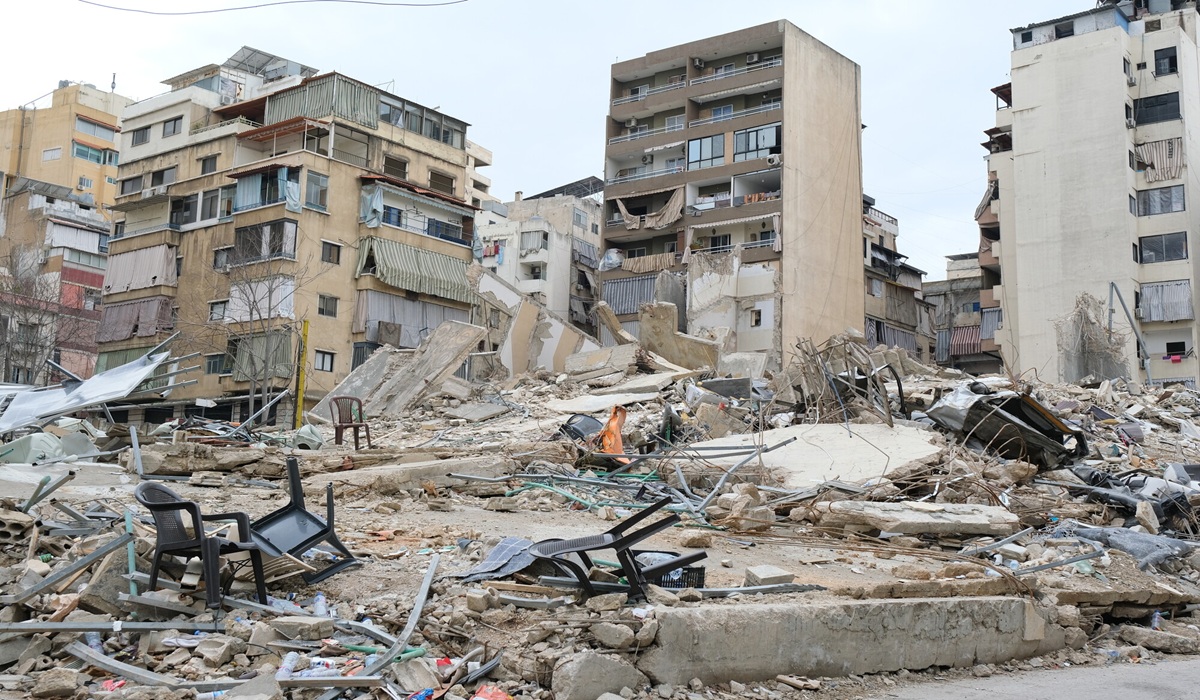
The scale of destruction complicates any immediate return. Entire neighborhoods have been reduced to rubble, infrastructure has been severely damaged, and essential services remain disrupted. Even in areas where fighting has stopped, the question remains whether people can truly go back. A ceasefire that does not address these realities risks becoming symbolic rather than transformative.
Meanwhile, the humanitarian situation remains dire. Efforts to provide aid are ongoing, but significantly underfunded. A flash appeal seeking $308 million to assist one million affected people has received less than a quarter of the required funding. Organizations like the Norwegian Refugee Council continue to deliver critical support, including shelter, water, sanitation, education, and essential supplies. Their work has reached thousands, but the needs far exceed current capacity.
Across the border in Israel, the impact of the conflict is also being felt. Dozens have been killed, and thousands injured, including those harmed during rocket attacks and in the scramble to reach safety. Tens of thousands of damage claims for homes and buildings reflect the widespread disruption, underscoring that this conflict has left scars on both sides.
What happens next will define whether this ceasefire is remembered as a turning point or another pause in an ongoing cycle of violence. For it to succeed, it must go beyond silence on the battlefield. It must ensure the protection of civilians, allow for safe and voluntary return, and be supported by sustained international engagement and resources.
For the people of Lebanon, the stakes could not be higher. They are not looking for a temporary reprieve. They are looking for an end. And as families cautiously cross back into neighborhoods they once called home, that hope—fragile, uncertain, but unmistakably present—hangs in the balance.
About The Author