Why Don Woodstock Is the Only Mayoral Candidate Offering Real Solutions on Winnipeg’s Water Crisis
- Contributor
- Tiger's Eye Advisory Group - Trending News
- June 22, 2026
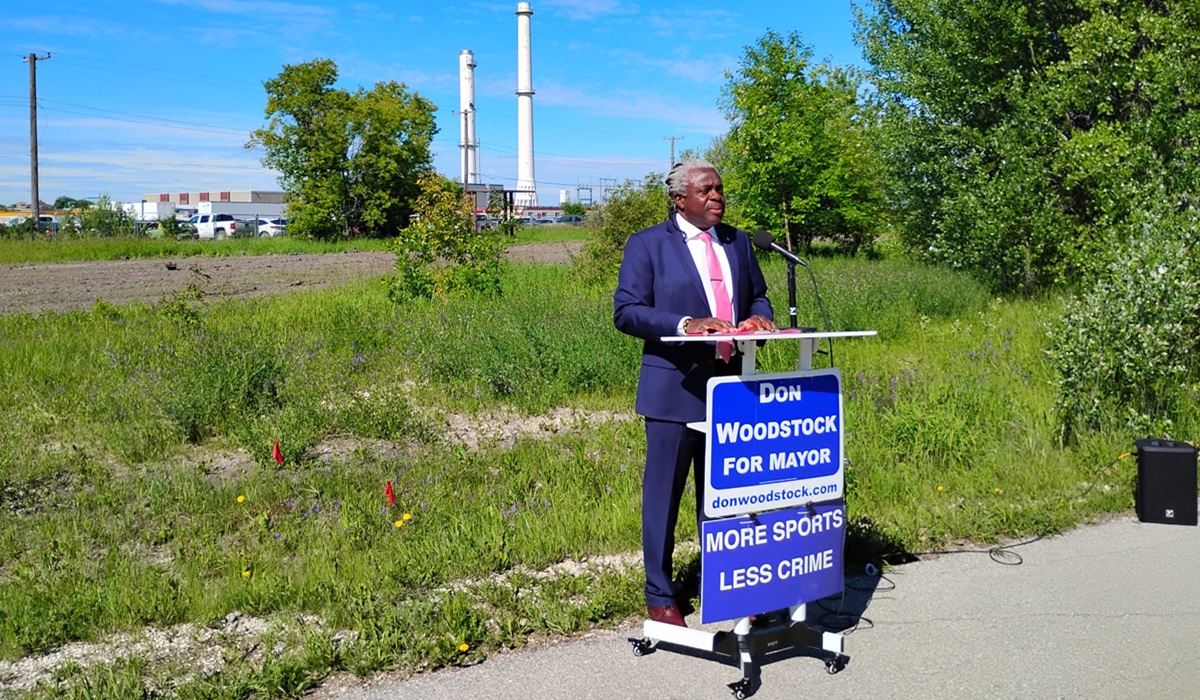
One of the biggest problems in Winnipeg politics is that candidates love talking about problems but rarely explain how they intend to solve them. Residents hear the same talking points election after election. We need affordable water. We need better infrastructure. We need to protect the environment. We need accountability. Yet when voters go looking for actual plans, detailed policies, timelines, or cost-saving measures, they are often met with little more than slogans and general statements.
That is what makes Don Woodstock’s newly released Water Affordability, Accountability and Infrastructure Policy stand out. Whether one agrees with every proposal or not, it is one of the most detailed municipal water platforms released so far in the mayoral campaign. More importantly, it focuses on specific actions rather than vague promises. At a time when Winnipeg residents are facing rising utility bills and watching one of the largest infrastructure cost overruns in city history unfold, Woodstock is the only candidate talking seriously about how costs can actually be reduced while maintaining and improving essential services.
The backdrop to the discussion is impossible to ignore. The North End Water Pollution Control Centre was originally estimated at approximately $795 million and is now projected to cost roughly $3.2 billion. That increase of more than $2.4 billion has become a symbol of everything many residents believe is wrong with how major projects are managed. At the same time, sewer rates continue climbing, despite the fact that many households now pay more for sewer service than they do for the water entering their homes.
Rather than simply criticizing the situation, Woodstock is proposing a comprehensive review of Water and Waste spending, debt obligations, consulting contracts, project expenditures, procurement decisions, and operational practices. His argument is straightforward. Before City Hall asks residents for more money, it should first demonstrate that existing dollars are being spent efficiently and responsibly. That position is already resonating with ratepayers who feel they have become the automatic solution whenever budgets come under pressure.
Perhaps the most significant and controversial proposal in the platform involves engineering and consulting services. For years, Winnipeg has spent substantial sums on outside engineering firms, project consultants, studies, management contracts, and technical reviews. Woodstock argues that the City should be doing far more of this work internally. His plan calls for rebuilding engineering capacity inside City Hall so that engineers are not simply managing consultants but are actively designing, approving, stamping, and delivering projects themselves.
The reasoning is difficult to dismiss. Winnipeg already employs engineers and technical professionals. If the City continues to spend millions of dollars annually on external consultants while maintaining a large internal workforce, taxpayers are right to ask whether they are paying twice for the same expertise. Over time, consulting expenditures can add up to tens of millions of dollars and, across decades of major infrastructure projects, potentially hundreds of millions more. Woodstock’s proposal seeks to reverse that trend by building long-term institutional knowledge and reducing dependence on outside firms.
Equally important is his emphasis on proven engineering solutions. Rather than commissioning expensive custom designs every time a new challenge emerges, the platform calls for examining systems already operating successfully in other jurisdictions and adapting them to Winnipeg’s needs. Whether the issue is wastewater treatment, nutrient reduction, stormwater management, or infrastructure renewal, the principle is simple: if someone else has already solved the problem, taxpayers should not be paying millions of dollars to solve it again.
The platform also tackles an issue every Winnipeg driver understands: roads being dug up repeatedly. Woodstock’s proposal to better coordinate road renewals, water main replacements, sewer upgrades, and drainage projects may sound simple, but it addresses a source of enormous frustration. Residents routinely see streets rebuilt only to be excavated again months later because departments failed to coordinate their work. Eliminating that duplication could save significant amounts of money while reducing disruptions across the city.
Another noteworthy proposal focuses on separating stormwater and sanitary sewer systems while ensuring new development does not overload aging infrastructure. The policy recognizes a reality many residents never see because it exists underground. Much of Winnipeg’s infrastructure was designed for a much smaller city. As more homes, infill projects, and redevelopment are added, older systems face increasing pressure. Woodstock argues that growth should pay for growth and that developers should contribute to the infrastructure upgrades required to support new demand rather than shifting those costs onto existing taxpayers.
What also separates this platform from much of the discussion taking place elsewhere in the mayoral race is its attention to ratepayer protection. The document includes commitments to pursue provincial and federal funding before turning to local residents, keep utility revenues dedicated to utility services, protect homeowners from unfair billing situations, and return savings to ratepayers whenever efficiencies are found. Whether implemented in full or in part, these proposals demonstrate a level of detail largely absent from the broader campaign conversation.
The political contrast is difficult to ignore. While other candidates continue discussing priorities in broad terms, Woodstock has released a detailed platform, a functioning campaign website, and specific policy proposals across multiple areas of municipal government. On water and wastewater issues in particular, there has been little evidence that any other candidate has presented a comparable level of detail or a comprehensive roadmap for addressing both affordability and infrastructure challenges.
Municipal elections are often won by candidates who convince voters they understand everyday concerns. Rising utility bills, aging infrastructure, billion-dollar cost overruns, and repeated consulting contracts are concerns that affect households directly. Woodstock’s platform does not merely identify those issues; it explains how they can be addressed.
Whether voters ultimately agree with every recommendation remains to be seen. What is becoming increasingly difficult to dispute, however, is that Don Woodstock is one of the few candidates treating Winnipeg’s water and wastewater challenges as more than campaign talking points. In a race where many candidates are still discussing what needs to be fixed, he has emerged as leading candidate outlining how he intends to fix it.
About The Author