G7 Summit Becomes a Global Test of Leadership as Iran, Ukraine and Economic Security Collide
- Ingrid Jones
- World News
- Tiger's Eye Advisory Group - Trending News
- June 17, 2026
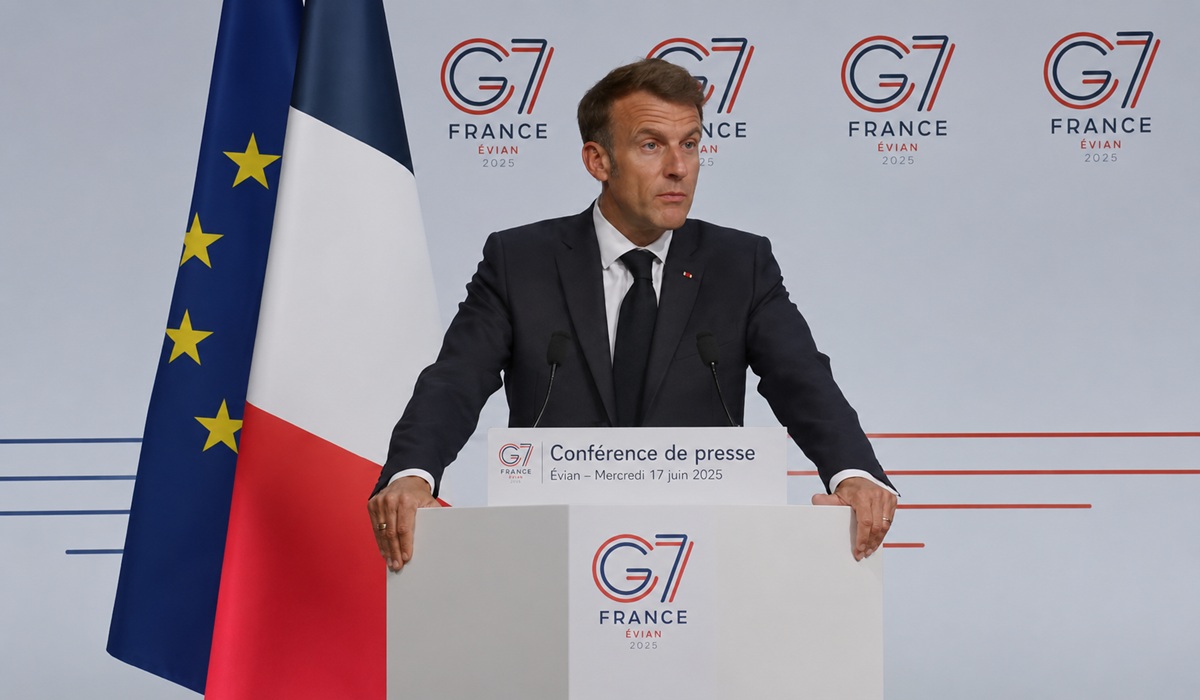
The G7 summit has become the focal point for discussions surrounding the emerging U.S.-Iran peace framework, Russia’s ongoing war in Ukraine, global energy security, economic uncertainty and concerns about the future stability of democratic alliances. What was once viewed primarily as a gathering of political leaders has evolved into a high-stakes test of whether the world’s largest democratic economies can still work together effectively during a period of increasing global instability.
President Donald Trump’s proposed framework agreement with Iran has quickly become one of the most closely watched developments at the summit. Supporters argue that the agreement could reduce tensions throughout the Middle East, restore confidence in global energy markets and significantly lower the risk of direct military conflict involving major regional powers. Critics, however, continue to demand greater transparency regarding the details of the arrangement, particularly concerning sanctions relief, financial incentives and Iran’s future obligations. Questions also remain regarding how Israel will respond to the agreement and what role regional allies will play moving forward.
At the same time, Ukraine remains a major concern for world leaders. Ukrainian President Volodymyr Zelenskyy has used the summit to urge allies not to allow global attention to drift away from Russia’s invasion. Canada, the United Kingdom and several European partners announced additional sanctions targeting Russia’s energy sector and the so-called shadow fleet used to transport oil and bypass existing restrictions. The goal is to further reduce Moscow’s ability to finance military operations while increasing economic pressure on the Kremlin.
The reality facing leaders is that these issues are deeply interconnected. Energy prices influence economic growth, economic growth affects political stability and political stability shapes how governments respond to conflicts abroad. While the public often sees separate headlines about Iran, Ukraine or energy markets, policymakers are dealing with a much larger puzzle where every decision carries consequences across multiple regions and industries.
Another issue quietly emerging during summit discussions is the growing concern over China’s economic influence and the vulnerability of global supply chains. Leaders have increasingly focused on securing access to critical minerals, advanced technologies and strategic manufacturing sectors. The disruptions experienced during recent years exposed weaknesses in international trade networks and highlighted the risks associated with overreliance on a small number of suppliers. As a result, many governments are looking at ways to strengthen domestic production and diversify trade relationships without triggering broader economic disruptions.
The discussions taking place behind closed doors may ultimately have consequences that last far longer than any individual headline generated during the summit. Decisions surrounding economic security, trade diversification and strategic industries could shape international relations for years to come. While cameras remain focused on political leaders and diplomatic meetings, the larger story may be the effort to redefine how democratic nations compete, cooperate and protect their interests in an increasingly uncertain world.
About The Author