The U.S.–Iran Strategic Understanding and Pakistan’s Global Diplomatic Rise
- Naveed Aman Khan
- Pinpoint
- June 20, 2026
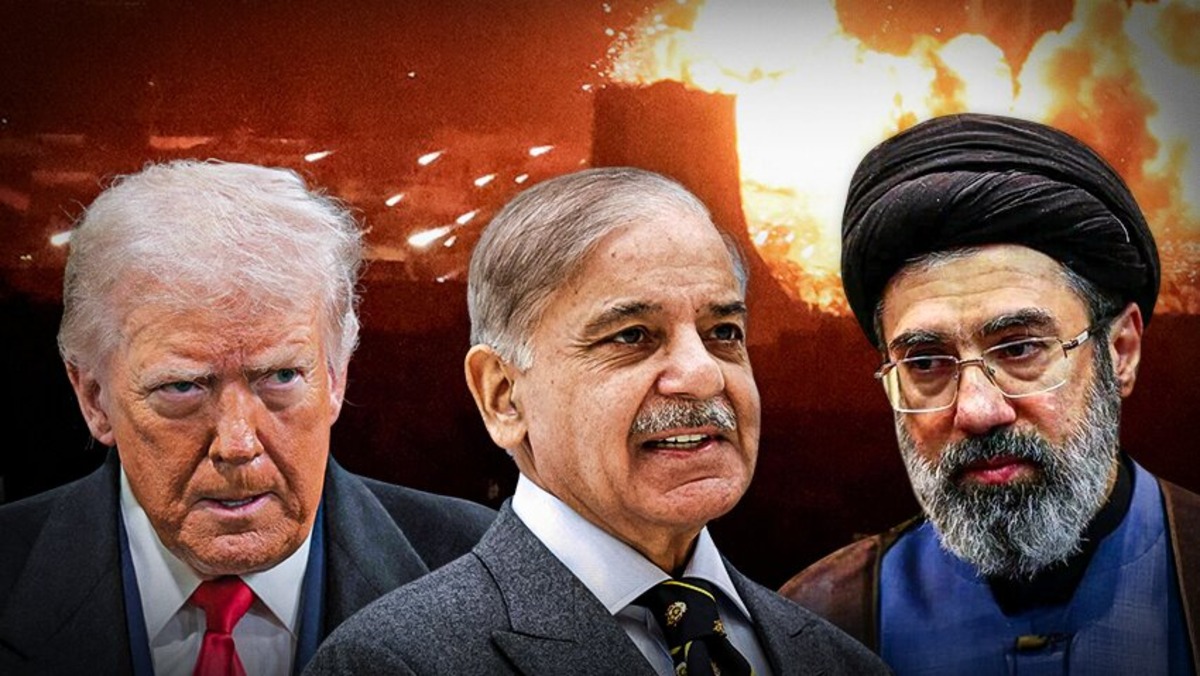
The recent U.S.–Iran agreement represents one of the most significant diplomatic developments in recent years and a practical step toward stability and peace in the Middle East. Critics, however, view it as a strategic retreat by Washington in which Iran secured substantial concessions without providing equally strong guarantees in return. Israel has emerged as one of the agreement’s most vocal opponents, with its leadership seeing the deal as a setback to years of efforts aimed at containing Iranian influence. The central question remains: who has truly benefited from this agreement, who has paid the price, and how will it reshape the regional balance of power in the years ahead?
The agreement is a classic example of diplomatic compromise. For the United States, it offers an opportunity to reduce the risk of military confrontation with Iran and promote greater regional stability. Avoiding another major conflict in the Middle East is, in itself, a significant strategic achievement for Washington. After the costly and prolonged wars in Iraq and Afghanistan, American policymakers have increasingly favored diplomacy over direct military intervention. The agreement has also helped ease tensions in the Gulf, a development that aligns closely with U.S. strategic interests.
Iran appears to be one of the principal beneficiaries of the arrangement. Reduced economic pressure, access to previously frozen assets, and new opportunities for trade and investment could provide much-needed relief to an economy that has struggled under years of sanctions. Equally important, Tehran has been able to present the agreement to its domestic audience and regional supporters as a negotiation conducted from a position of resilience rather than weakness.
The deal does not impose major new restrictions on Iran’s missile program or its regional allies. As a result, Iranian leaders are likely to portray the agreement as a diplomatic and political victory, arguing that they successfully resisted external pressure while preserving key elements of their strategic posture.
At the same time, it would be inaccurate to describe the agreement as a complete victory for one side and a total defeat for the other. It is a transactional compromise in which both parties achieved some objectives while making concessions on others. The United States gained de-escalation and diplomatic flexibility, while Iran secured economic relief and implicit recognition of its strategic importance. Neither side obtained everything it wanted, but neither left the negotiating table empty-handed.
Israel’s concerns stem from its long-standing position that any agreement with Iran should impose substantial limitations on Tehran’s military capabilities, missile program, and support for allied groups across the region. Israeli officials argue that reducing economic pressure on Iran without significantly curbing its strategic capabilities could strengthen their most formidable regional rival.
For Israel, therefore, the agreement represents a major setback. Sanctions relief may allow Iran to rebuild its economy and expand its regional influence, potentially creating a more confident and economically resilient competitor. If the agreement also narrows the scope for future military action against Iran, Israeli concerns are likely to deepen further. While it may be reasonable to argue that Israel bears the greatest strategic disappointment from the deal, it would be incorrect to suggest that its security position has been fundamentally weakened. Israel remains the region’s most advanced military power and continues to enjoy close strategic ties with the United States. The agreement complicates Israeli objectives but does not eliminate its core defensive advantages.
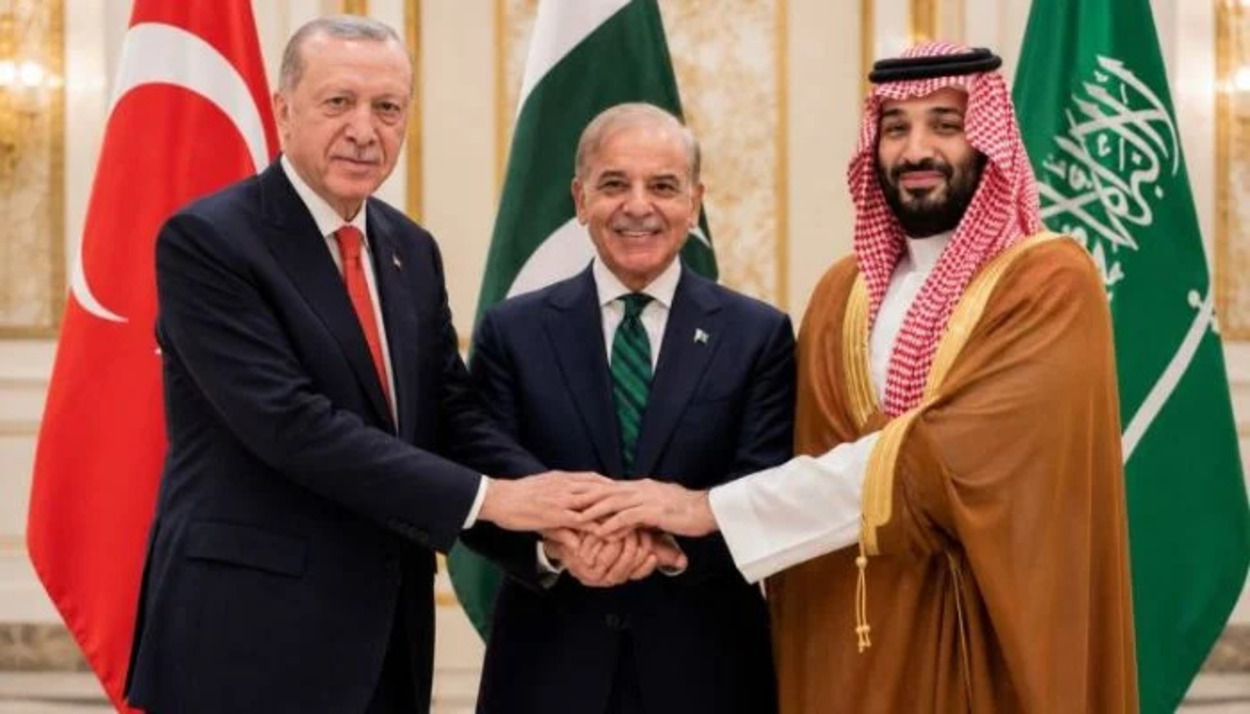
One of the most intriguing aspects of this development is Pakistan’s role. Pakistan helped facilitate communication and negotiations between Washington and Tehran, making this a notable achievement in the country’s diplomatic history. For decades, Pakistan’s international image has often been viewed through the lens of security challenges, regional tensions, and economic difficulties. Successful diplomatic facilitation between two long-standing adversaries presents Pakistan in a different light—as a responsible state capable of contributing positively to conflict resolution and international peace.
The implications for Pakistan’s global standing are significant. Successful mediation enhances a country’s credibility and demonstrates that competing powers trust it enough to engage through its diplomatic channels. The process has also provided Pakistan with an opportunity to strengthen its relationships with the United States, Iran, and other regional actors simultaneously.
From an Indian perspective, the development is particularly noteworthy. India has long sought to project itself as an emerging global power and a major player in international affairs. Pakistan’s success in facilitating dialogue in a major international dispute is likely to attract global attention and challenge some traditional perceptions about its role in world diplomacy. Supporters of Pakistan’s foreign policy may view this achievement as another important milestone in strengthening the country’s regional and international profile.
The durability of the agreement remains uncertain, despite reasons for cautious optimism. U.S.–Iran relations have been shaped for decades by mistrust, ideological differences, and conflicting regional interests. Previous agreements have struggled due to political opposition, leadership changes, and shifting strategic realities. The long-term survival of the current arrangement will depend largely on whether both parties continue to believe that its benefits outweigh its costs.
New regional conflicts, domestic political opposition in either country, disputes over sanctions, or actions by non-state actors could undermine confidence and weaken support for the agreement. Likewise, if either side begins to believe that the other is receiving disproportionate benefits, political backing for the deal could erode rapidly.
Ultimately, the U.S.–Iran agreement is neither an unconditional victory for one side nor a humiliating defeat for the other. It is a strategic understanding born from the recognition that prolonged confrontation carries immense costs.
The United States has gained reduced tensions and greater diplomatic flexibility; Iran has secured economic relief while preserving much of its strategic position; and Israel remains concerned about the implications of a stronger Iran. The most visible diplomatic gain belongs to Pakistan, which emerged as a facilitator of dialogue at a time when effective mediators are in short supply. Whether the agreement endures for years or gradually weakens over time, Pakistan’s role in bringing adversaries to the negotiating table is likely to be remembered as one of the most significant diplomatic accomplishments of recent years.
About The Author