America-Iran probable peace accord : Pakistan’s unprecedented Diplomatic Triumph
- Naveed Aman Khan
- Pinpoint
- May 26, 2026
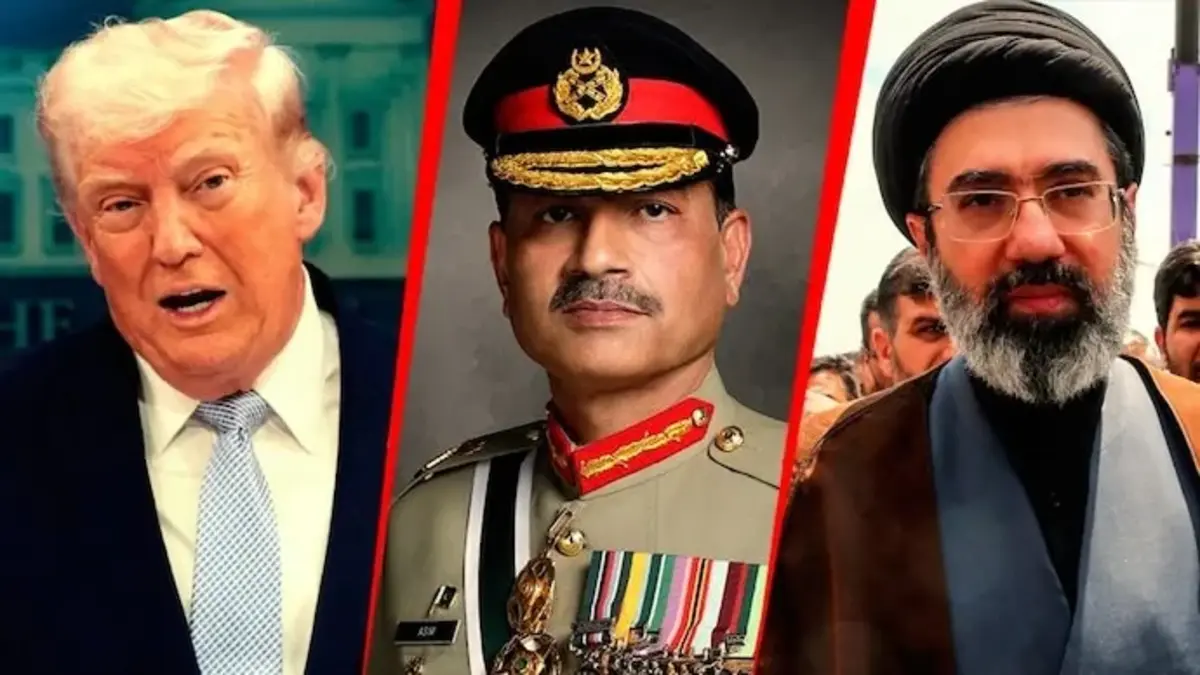
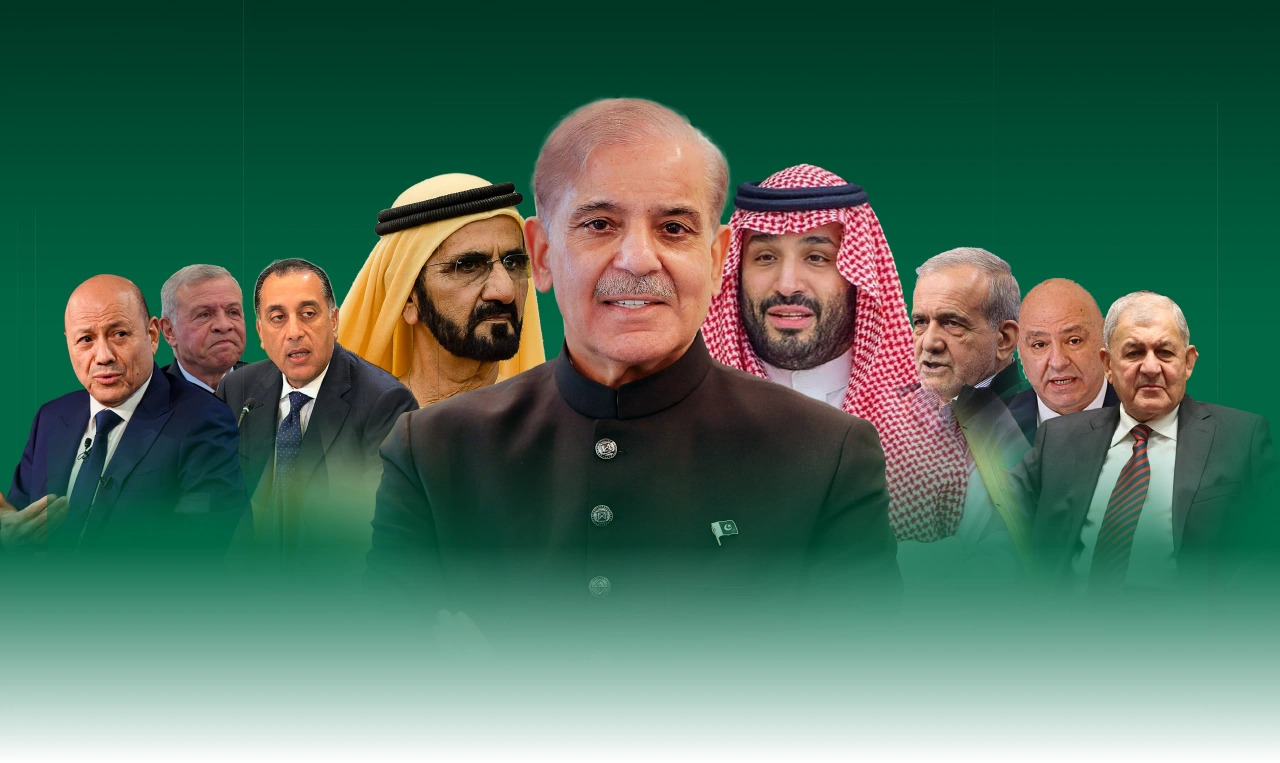
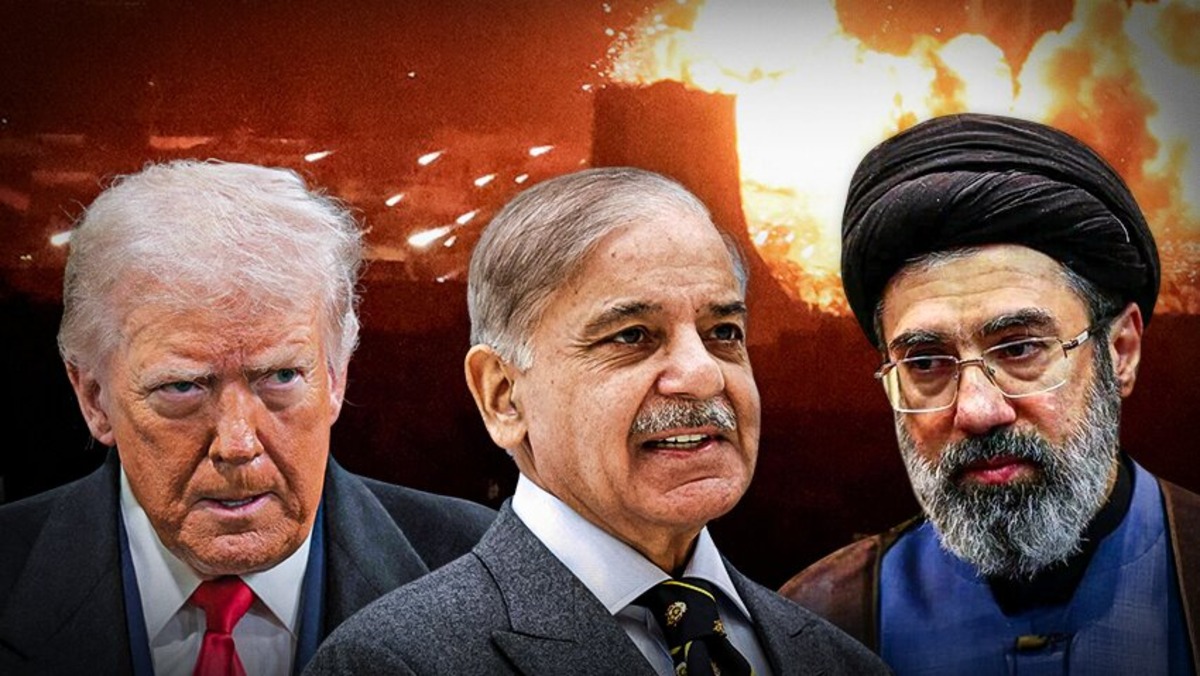
The sudden emergence of a peace understanding between the United States and Iran, facilitated through Pakistan’s quiet but determined diplomacy, has become one of the most consequential geopolitical developments of recent years. In a region long trapped in cycles of confrontation, sanctions, proxy wars, and military escalation, the role played by Pakistan under Prime Minister Shehbaz Sharif, Deputy Prime Minister and Foreign Minister Ishaq Dar, and Field Marshal Asim Munir has dramatically altered Islamabad’s global standing. What many observers once considered a diplomatic impossibility appears to have been transformed into a strategic breakthrough through Pakistan’s mediation.
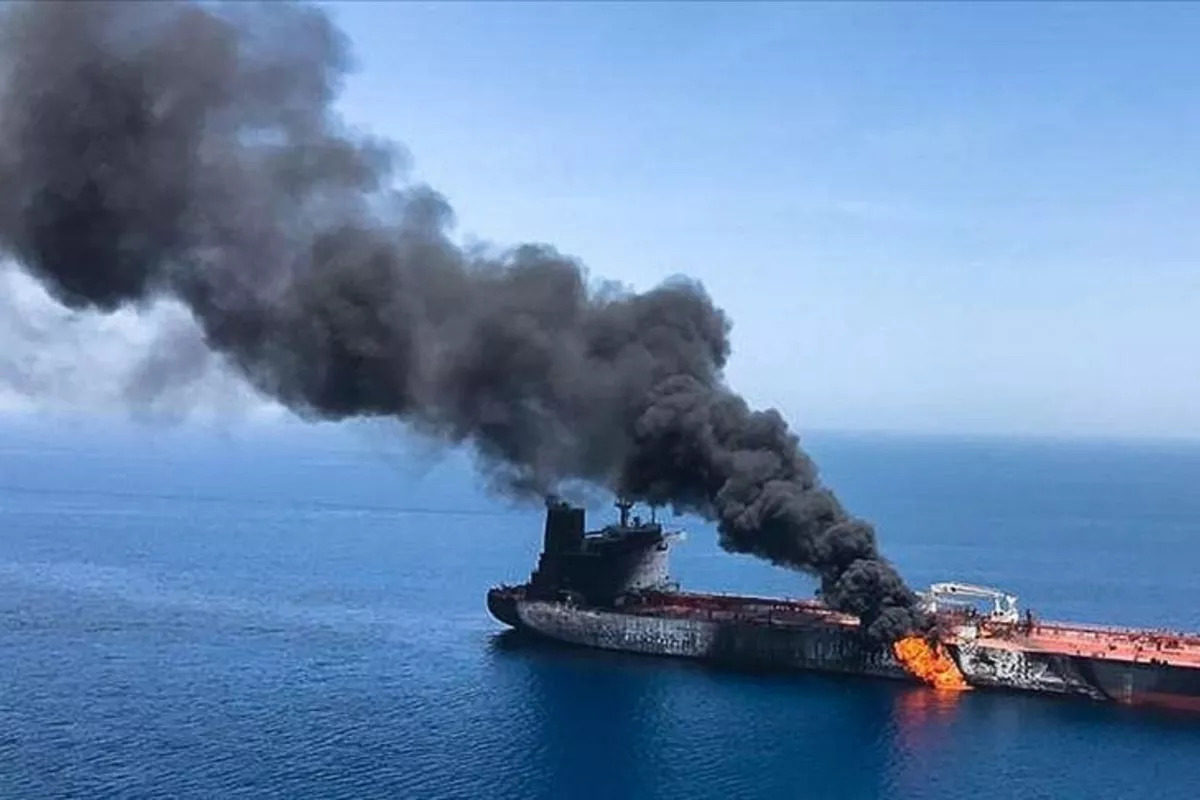
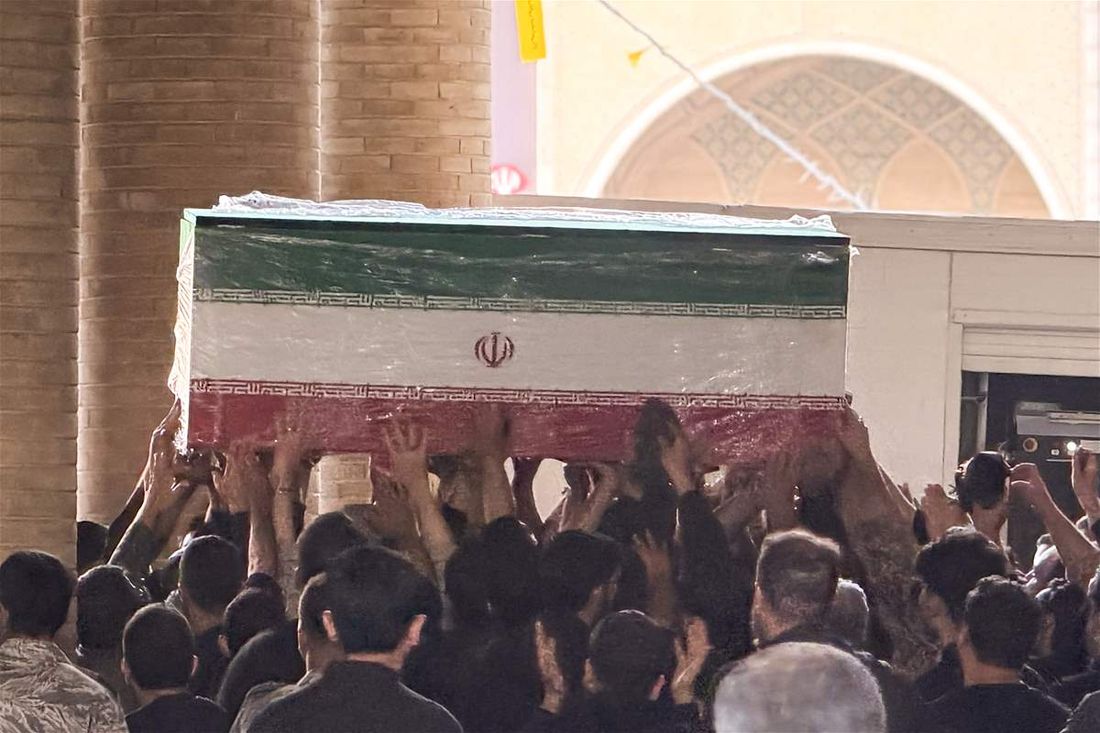
For decades, relations between the United States and Iran have remained hostage to mistrust, ideological hostility, sanctions, and military threats. The latest confrontation involving America, Israel, and Iran once again pushed the Middle East toward the edge of a devastating regional war. Israel, under Benjamin Netanyahu, pursued an aggressive posture toward Tehran, while Washington initially supported a policy of military pressure and strategic intimidation. Yet the final outcome appears to have exposed the limitations of military coercion in the modern world.
The most critical question now being raised across diplomatic circles is this: if Iran had already shown willingness to discuss a settlement framework, why was military escalation allowed in the first place? Why did Washington and Tel Aviv choose confrontation before diplomacy? The answer lies in the strategic calculations of power politics. America and Israel likely believed that military pressure would force Iran into unconditional surrender. Instead, Iran survived the pressure, maintained its regional influence, and entered negotiations without capitulating. In doing so, Tehran demonstrated resilience rather than defeat.
This is precisely where Pakistan’s diplomatic role became decisive. Islamabad maintained communication channels with all sides while avoiding inflammatory rhetoric. Pakistan neither abandoned its traditional support for Muslim solidarity nor entered reckless military alignment. Instead, it positioned itself as a credible mediator capable of engaging Washington, Tehran, Beijing, Riyadh, and other stakeholders simultaneously. Such balanced diplomacy is rare in an era dominated by polarization.
Prime Minister Shehbaz Sharif and Field Marshal Asim Munir deserve credit for recognizing that Pakistan’s future influence would not emerge solely from military strength but from diplomatic relevance. His government understood that the world is entering a transitional phase in which middle powers capable of mediation will gain strategic value. Ishaq Dar’s diplomatic engagements helped reduce mistrust between the negotiating sides, while Field Marshal Asim Munir ensured regional security coordination and strategic stability. Together, the civilian and military leadership projected unusual institutional harmony, strengthening Pakistan’s negotiating credibility internationally.
The outcome of the conflict also raises uncomfortable realities for the United States. Militarily, America remains the world’s strongest power. However, politically and strategically, Washington appears weaker than before. The inability to impose its desired outcome despite overwhelming military superiority reflects the changing nature of global power. America’s traditional doctrine of “maximum pressure” increasingly faces resistance from regional actors unwilling to surrender under coercion.
In this confrontation, the United States may have avoided outright military humiliation, but it failed to secure decisive strategic victory. Iran survived sanctions, military threats, cyber warfare, and diplomatic isolation. More importantly, Tehran negotiated from a position of endurance rather than collapse. This perception alone changes the geopolitical narrative. Around the world, many states now believe that American pressure can be resisted if sufficient regional alliances and strategic patience are maintained.
Israel, meanwhile, faces perhaps the greatest political setback. Benjamin Netanyahu’s long-standing strategy relied heavily on portraying Iran as an imminent existential threat requiring permanent confrontation. However, if negotiations and understandings eventually became possible, critics will naturally question the necessity of escalation and warfare beforehand. Israel’s inability to fully isolate Iran diplomatically reflects a weakening of its strategic monopoly over Western Middle East policy.
The broader global implications are profound. First, the crisis accelerated the emergence of a multipolar world order. American unilateral dominance no longer appears uncontested. China and Russia continue expanding their influence, while regional powers such as Pakistan, Turkiye, Saudi Arabia, and Iran increasingly shape outcomes independently of Washington. Second, diplomacy has once again proven more sustainable than military adventurism. The Middle East, exhausted by decades of destruction, increasingly seeks economic stability over ideological warfare.
Pakistan’s successful mediation significantly enhances its international image. For years, Islamabad was unfairly viewed primarily through the lens of security concerns and economic instability. This diplomatic breakthrough instead presents Pakistan as a mature state capable of constructive global engagement. The success also strengthens Pakistan’s standing within the Muslim world, where many countries seek leadership capable of balancing relations with both East and West.
The implications for India are equally significant. New Delhi has long attempted to project itself as Washington’s most reliable strategic partner in South Asia while portraying Pakistan as diplomatically isolated. However, Pakistan’s role in facilitating one of the most sensitive international negotiations challenges that narrative. Islamabad has demonstrated that geopolitical importance is not determined solely by economic size but by strategic utility and diplomatic trust.
India will likely view Pakistan’s enhanced regional role with concern. A diplomatically empowered Pakistan creates complications for New Delhi’s efforts to dominate South Asian strategic discourse.
Furthermore, Pakistan’s improving relations with China, Gulf states, Iran, and potentially even Washington position it as a more relevant player in emerging regional alignments. At the same time, Pakistan must avoid triumphalism. Diplomatic success brings responsibility. Islamabad must now strengthen its economy, political stability, and institutional credibility to sustain this momentum. Mediation victories alone cannot guarantee long-term influence unless supported by internal strength and national cohesion.
Nevertheless, this moment represents a rare strategic achievement for Pakistan. At a time when many expected further war, destruction, and regional chaos, Pakistan helped open the door toward de-escalation. In doing so, Islamabad has signaled that it seeks not conflict but stability; not proxy wars but dialogue; not division but regional balance. History may ultimately remember this episode as more than a temporary peace arrangement. It may mark the moment when Pakistan reintroduced itself to the world not merely as a frontline state in conflicts designed by others, but as an emerging diplomatic actor capable of shaping history itself.
About The Author