Unrelenting Change: How Earth Day Reflects the Work Behind a Cleaner Winnipeg
- Don Woodstock
- Tiger's Eye Advisory Group - Trending News
- Environment
- April 22, 2026
Earth Day is often framed as a celebration, but it is just as much a reminder of how we got here and what it took to get here. The environment people experience today is the result of decisions that were once debated, resisted, and often dismissed, and the systems that now feel routine, including recycling programs, reduced reliance on plastic, and a stronger awareness of waste, did not evolve on their own but were pushed forward through persistence and a willingness to challenge habits that had been in place for years.
In Winnipeg, there was a time when nearly everything was treated as garbage and thrown away without a second thought, and the idea that households would sort materials or that recycling would become part of everyday life was far from guaranteed because changing that mindset required more than a single policy and demanded consistency, repetition, and the resolve to keep pressing forward even when progress felt slow and uncertain.
One of the earliest challenges was not about infrastructure, but about language and perception, because when I pushed to move away from calling it “garbage day” and toward calling it “recycle day,” the reaction was immediate and often dismissive, and it took nearly two years of lobbying, constant conversations, and standing firm in the belief that language shapes behaviour before that idea began to take hold and shift how people viewed what they were throwing away.
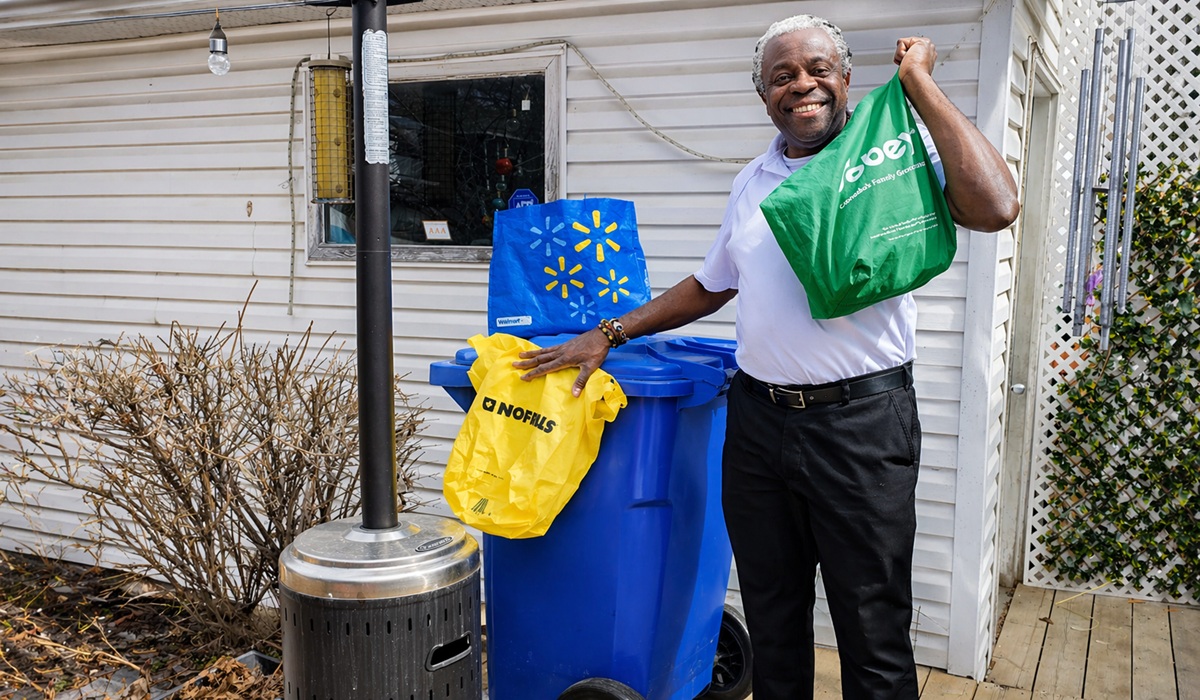
That same resistance followed when I pushed for the adoption of big blue bins, which today are a normal part of daily life but were once seen as unnecessary and impractical, and it required showing up again and again, making the case, and pushing through hesitation that did not disappear overnight because real change rarely comes from a single moment but from sustained effort over time.
The effort to remove plastic bags and move toward reusable alternatives followed a similar path, because convenience had long defined their use and challenging that convenience meant facing frustration, doubt, and resistance from those who did not immediately see the need for change, yet the work continued through constant advocacy and a refusal to accept that resistance would be the final answer.
None of these changes came easily, because I was ridiculed, name-called, and at times humiliated for pushing ideas that many did not want to hear, and there were moments at City Hall and in public discussions where the work felt like it was going nowhere, yet I continued speaking to anyone who would listen and pushing forward because the belief in what was possible never changed.
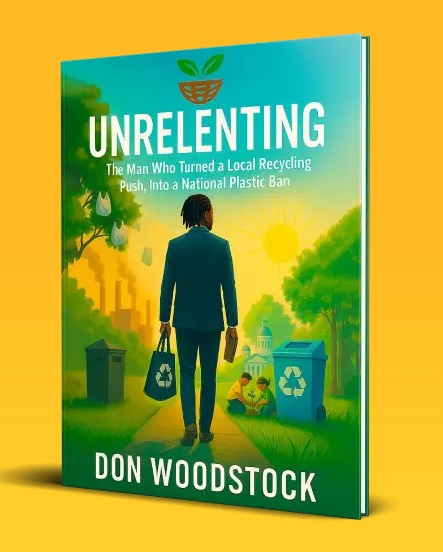
More than 14 years ago, the documentary Your World and Mine captured the early stages of this journey and reflected a belief that small, consistent efforts could lead to larger change, and those same experiences are reflected in the book Unrelenting, which speaks to what it takes to stay committed when progress is slow and resistance is constant.
The push for big blue bins, the push to change “garbage day” into “recycle day,” and the push to move away from plastic bags toward reusable ones did not happen by chance, because they were driven forward through UNRELENTING efforts that required persistence in the face of doubt and a willingness to continue when it would have been easier to stop.
The results speak for themselves, and the recycling participation rate has improved from 40 percent to over 95 percent, while plastic use has been reduced and reusable bags have become part of everyday life in a way that once seemed unlikely, which shows what sustained effort can achieve when it is carried forward without hesitation.
Had I not fought to change the language to “recycle day,” had I not pushed for the adoption of big blue bins, and had I not continued to advocate for the removal of plastic bags in favour of reusable alternatives, it is worth asking where we would be today and whether these changes would have taken hold in the same way.
Earth Day is a reminder that progress does not come from intention alone, because it comes from action, persistence, and the willingness to keep pushing when the outcome is uncertain, and we owe it to the next generation to leave them with a healthier planet by being better stewards of the environment through the choices we make and the systems we support every day.
About The Author