The Endless Escape: How Yemen’s Forgotten Crisis Is Strangling Thousands More
- Hami Aziz
- Breaking News
- Middle East
- October 1, 2026
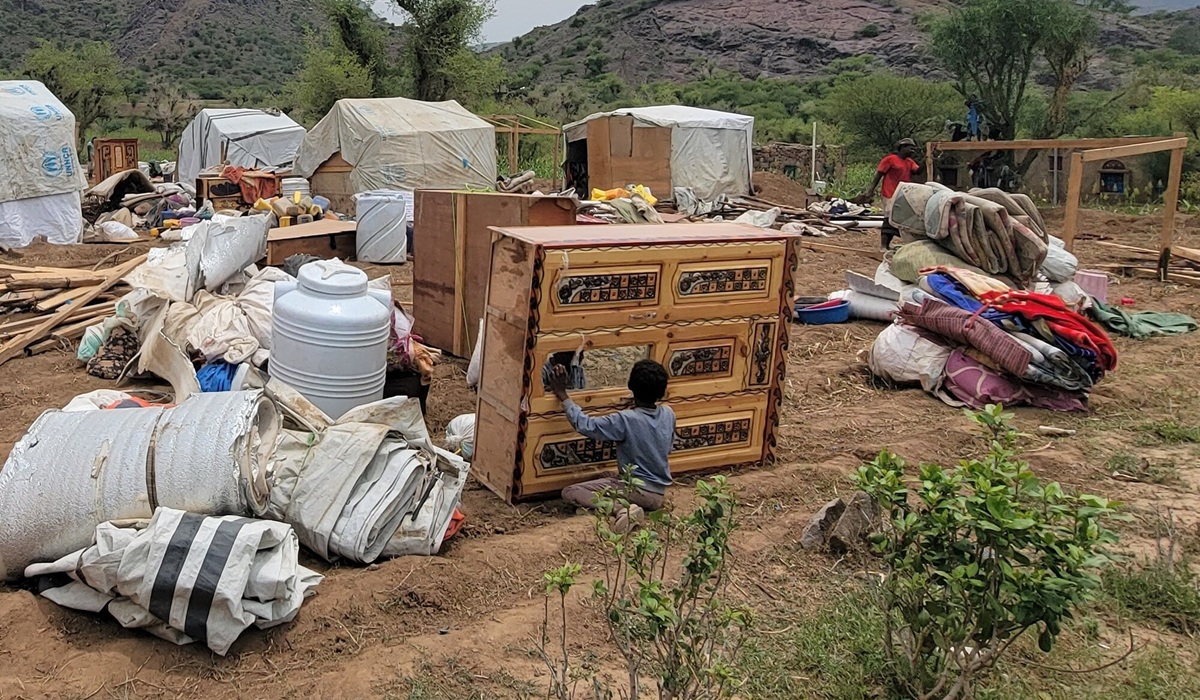
The relentless march of conflict across Yemen is driving thousands of families into a desperate, recurring cycle of flight, leaving local aid efforts struggling to keep up with the overwhelming surge of human misery. Recent escalations have forced nearly fifteen thousand newly displaced people to flood into emergency sites managed by the Norwegian Refugee Council across the southern governorates of Taiz, Lahj, and Abyan. This sudden influx marks a staggering seventy-eight percent jump in the population of these camps, with many families arriving completely empty-handed after being forced to flee previous safe havens that were swallowed up as fighting crept closer. Across the entire nation, more than one hundred and twenty-eight thousand individuals have been uprooted by this latest wave of violence, compounding an already catastrophic humanitarian disaster that the world seems largely content to ignore.
In heavily impacted areas like Taiz, the situation on the ground grows more precarious by the hour, as half of the displacement sites supported by humanitarian groups in the region have emptied out entirely with families scrambling toward safer villages or overcrowded neighboring camps. Relief workers describe a harrowing scene where exhausted parents and children arrive continuously, possessing nothing more than the clothes on their backs. Basic survival has turned into a daily ordeal of grueling hardship, with families forced to trek miles just to secure drinking water from nearby farms or mosques, sometimes waiting over six hours in massive crowds around a single water source. With resources stretched past the breaking point, entire households are surviving on a single meager meal a day, often consisting of nothing more than a shared can of tuna and a piece of bread, while improvising crude shelters out of wood, banana leaves, and scraps of old blankets.
Beyond the immediate physical deprivation, this relentless cycle of displacement strips away the basic social fabric and stability required for human dignity. Children are yanked out of school once again, while vulnerable individuals face heightened safety risks in makeshift settlements that lack even fundamental sanitation facilities like latrines or basic wash basins. Displaced fathers recount the crushing weight of having nowhere else to turn, relying entirely on the fleeting kindness of local strangers to feed their children. Across regions like Abyan and Lahj, existing camps have seen their populations double overnight as resident families open their already cramped living spaces to shelter newly arrived relatives and strangers alike.
For the children caught in this spiral, the trauma extends far beyond physical hunger and cold nights beneath makeshift roofs. The breakdown of formal education means an entire generation is watching their futures evaporate while navigating the raw daily struggle of displacement, separated from childhood routines and familiar communities. Local aid workers warn that the psychological toll on these young minds, combined with constant instability and exposure to ongoing conflict, threatens to leave deep, permanent scars long after the active shelling subsides.
At the same time, relief agencies operating on the ground are hitting an impassable wall as operational costs soar and vital supplies run critically low. Staff members are forced to prioritize immediate life-saving interventions, distributing basic shelter kits, blankets, and water containers while knowing that thousands more families outside the camp perimeters remain entirely unassisted. Establishing new displacement sites requires capital and logistics that simply do not exist under current funding allocations, leaving aid groups unable to expand their reach even as thousands more desperate arrivals gather along the dusty borders of existing sites.
What makes this escalating tragedy even more devastating is that it is unfolding against a backdrop of severe global fatigue and dwindling international support. Emergency funding for Yemen has drastically withered over the years, leaving the overall humanitarian response severely underfunded despite the fact that over eighteen million people face acute hunger and more than half the country requires aid. Aid agencies are left with the tragic dilemma of shifting scarce resources from one suffering community to help another, unable to keep pace with the growing wave of necessity. Without an immediate mobilization of global financial support for food, water, shelter, and basic protection, millions of lives hang in a precarious balance in what remains one of the world’s most severely neglected crises.
About The Author