World Court Finds Myanmar Committed Genocide Against Rohingya in Landmark Ruling
- Hami Aziz
- Breaking News
- November 20, 2026
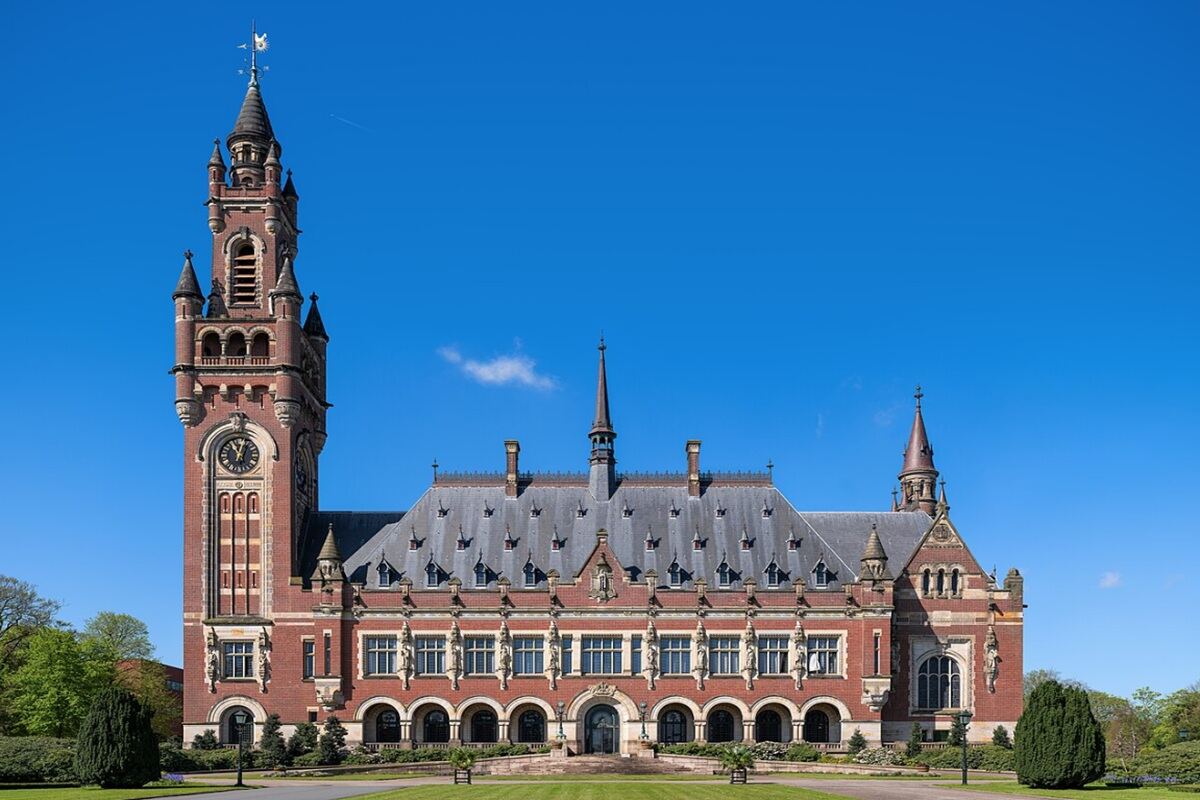
THE HAGUE, Netherlands – The United Nations top court ruled on Nov. 19, 2026, that Myanmar committed genocide against the Rohingya minority during its 2017 military operations, marking the first time the International Court of Justice has held a state responsible for the crime.
ICJ President Yuji Iwasawa delivered the judgment on the merits in the case brought by The Gambia, which filed the suit in November 2019 under the 1948 Genocide Convention with backing from the Organization of Islamic Cooperation. The court found that Myanmar acted with intent to destroy a substantial part of the Rohingya population in northern Rakhine State and formally recognized the Rohingya as a distinct ethnic group under international law, a status Myanmar has long denied while labeling them Bengalis or foreign migrants.
In explaining the ruling, judges cited evidence that Myanmar security forces killed an estimated 10,000 Rohingya during the 2017 clearance campaign, committed widespread acts of sexual violence, attacked children and people attempting to flee, and drove more than 700,000 Rohingya into neighboring Bangladesh. Iwasawa noted that bulldozing and large scale terrain clearance frequently followed the destruction, after which rapid construction took place on cleared sites, including security installations, new villages, houses and other civilian infrastructure.
The judgment is final, binding on the parties to the dispute and without appeal. The court ordered Myanmar to provide reparations to victims and take measures to prevent further violations, while The Gambia has also sought reparations including ordering Myanmar to grant Rohingya full citizenship and the right to return home. UN Secretary General António Guterres welcomed the decision as a powerful recognition of Rohingya victims and a reaffirmation against impunity, while survivors watching in The Hague and refugee camps in Bangladesh called it a profound relief and a step toward justice for future generations.
Legal specialists say the court’s reasoning carries significant implications for how genocidal intent, known as dolus specialis, is assessed when a government argues its forces were targeting armed militants. Myanmar contended its military was acting against the Arakan Rohingya Salvation Army, which it labeled a terrorist group, but the court indicated that counterterrorism or armed conflict operations are not mutually exclusive with genocide and that intent can be drawn from a broader context of circumstances rather than requiring explicit orders or plans modeled on Nazi Germany.
Those standards have drawn close attention in Israel, which faces a separate genocide case brought by South Africa over the war in Gaza. Israeli officials and legal commentators have noted that, like Myanmar, Israel has argued its military campaign targeted militants rather than a protected group as a whole, raising concern that the court’s willingness to infer intent from broader patterns and reject counterterrorism defenses as an automatic shield could complicate Israel’s defense.
At the same time, legal scholars and Israeli officials point out that the Myanmar ruling does not legally determine the outcome of the Gaza case, which involves different facts, military dynamics and evidentiary records and remains years away from a final merits decision. Even so, international law experts say the judgment gives South Africa and intervening states an analytical framework to argue in upcoming written pleadings that civilian harm and broader circumstances support a finding of genocidal intent, meaning Israel’s legal team will have to confront those arguments as the case moves forward.
About The Author