By: Donovan Martin Sr., Editor-in-Chief
The modern tragedy of Haiti cannot be understood without reckoning with the historical forces that methodically dismantled its sovereignty and stripped its soil of wealth over centuries. Long before contemporary gangs transformed neighbourhoods into combat zones, foreign powers recognized the extraordinary riches of the Caribbean nation and set about extracting them through systematic exploitation. France, which colonized the island then known as Saint Domingue, built an economy upon the backs of enslaved people while draining the territory of its agricultural and material wealth. When the Haitian people successfully overthrew their oppressors in a historic revolution, establishing the world’s first free black republic, the geopolitical punishment was swift and devastating. Paris imposed an exorbitant indemnity under the threat of renewed naval bombardment, forcing a newly liberated nation into generational debt that crippled its public institutions, infrastructure, and economic development for over a century. This predatory financial architecture set a destructive precedent that Western nations would replicate in subtler, institutional forms across generations.
In the twentieth century, the strategic ambitions of the United States added another chapter of external dominance when American Marines landed in Port au Prince in nineteen fifteen. Operating under the pretext of restoring financial stability, the United States occupation forces seized control of the national bank, transferred the country gold reserves to New York vaults, and rewrote the constitution to favor foreign land ownership. Resources that belonged rightfully to the Haitian people were systematically siphoned abroad, leaving behind an impoverished state stripped of the capital required to build a resilient society. This structural looting created a legacy of institutional fragility, paving the way for decades of political instability and compromised leadership that left the populace vulnerable to external exploitation.
For generations, international bodies and wealthy donor nations poured billions of dollars into purported relief and stabilization initiatives, yet the tangible benefits rarely reached the citizens who needed them most. The pattern repeated itself with callous predictability during major humanitarian crises such as the aftermath of natural disasters hitting the region, where massive inflows of international aid vanished into the opaque administrative networks of foreign contractors and domestic political elites. Millions of dollars earmarked for infrastructure, housing, and medical care dissolved into the private coffers of unscrupulous actors while ordinary Haitians continued to suffer under acute deprivation. Year after year, international interventions under the banner of peacekeeping degenerated into expensive diplomatic exercises that achieved little beyond insulating corrupt officials and maintaining a superficial status quo. The United Nations and various Western proxies spent billions of dollars on missions that lacked the political will or tactical resolve to confront the root causes of lawlessness, allowing criminal networks to expand their operational reach unchecked.
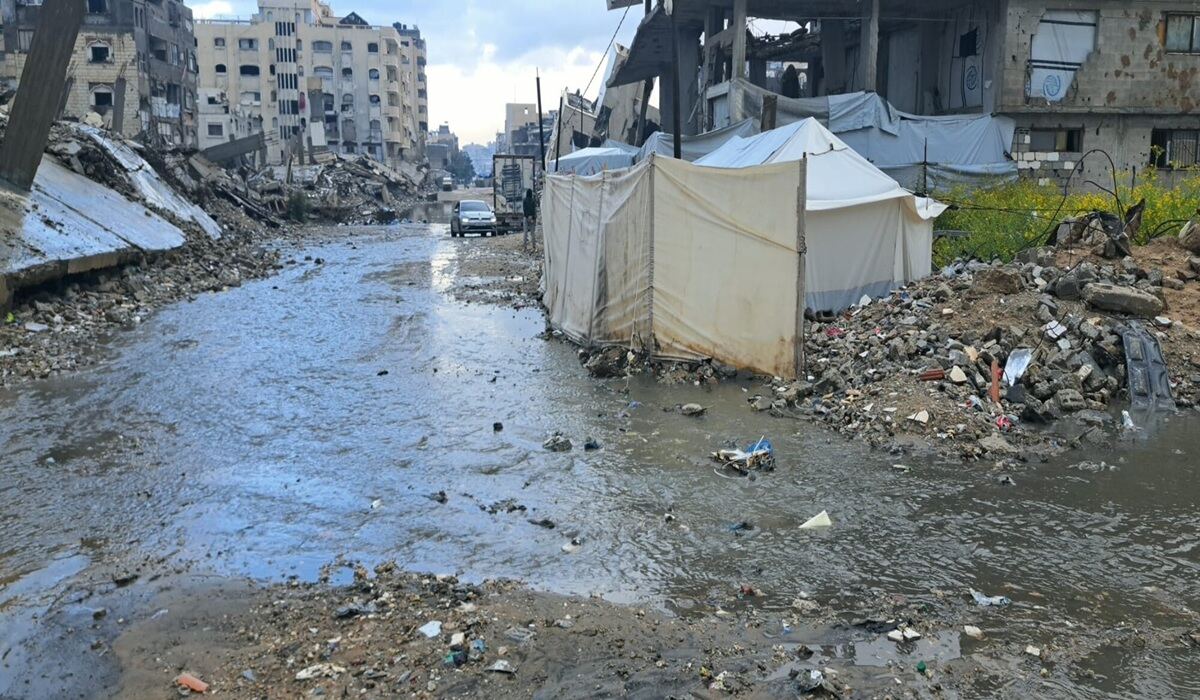
Today, Haiti has devolved into a functional war zone where ruthless gangs control vital urban corridors, terrorize local communities, and dictate the daily rhythms of civic life through extortion, kidnapping, and extreme violence. This catastrophic decline is not an indictment of the Haitian people, who possess remarkable resilience, entrepreneurial spirit, and cultural depth, but rather the inevitable consequence of systemic abandonment, state collapse, and unchecked criminality. The security vacuum became so profound that the nation fundamental institutions ceased to function, leaving citizens exposed to atrocities that shocked the conscience of the global community.
Amidst this seemingly insurmountable darkness, a remarkable turning point has emerged through the decisive actions of Salvadoran President Nayib Bukele, whose intervention in Haiti represents the only credible glimmer of hope in decades. President Bukele has proven through his domestic policies in El Salvador that entrenched criminal organizations can be dismantled completely when a leader possesses the political courage to prioritize public safety over bureaucratic handwringing. Look closely at what he accomplished within his own borders by transforming El Salvador from the murder capital of the world into one of the safest nations in the Western Hemisphere through the implementation of uncompromising security strategies. The centerpiece of this transformation is the Terrorism Confinement Center, known as CECOT, a maximum security mega prison designed to isolate violent gang members permanently from society under austere, inescapable conditions. Within that facility, prisoners face an architecture of total accountability where privacy does not exist and where violent criminals realize that their days of terrorizing innocent citizens are over forever.
Critics from comfortable Western capitals frequently decry these methods as violations of human rights, yet those same critics were conspicuously silent while ruthless gangs ran roughshod over Salvadoran neighborhoods, murdering thousands of innocent civilians with total impunity. One must ask where these human rights advocates were when families in El Salvador could not send their children to school or open small businesses without paying extortion fees to brutal cartels. The moral hypocrisy of condemning decisive action against bloodthirsty gangs while offering no alternative solutions to slaughter and subjugation is transparent to anyone living on the front lines of violence.
The introduction of a similar institutional model to Haiti offers the only realistic pathway to liberate the populace from the tyranny of armed syndicates that currently hold the nation hostage. Imagine a secure, highly fortified detention infrastructure in Haiti where hardened gang leaders and violent offenders are removed permanently from the streets, knowing they will never see another sunrise outside of confinement cells. The psychological impact of such an institution on criminal networks is immediate and absolute, striking the fear of God into individuals who previously operated without any restraint or consequence. When criminals understand that their chosen lifestyle leads directly to permanent incarceration with zero prospect of early release or parole, the romanticized allure of gang culture evaporates overnight.
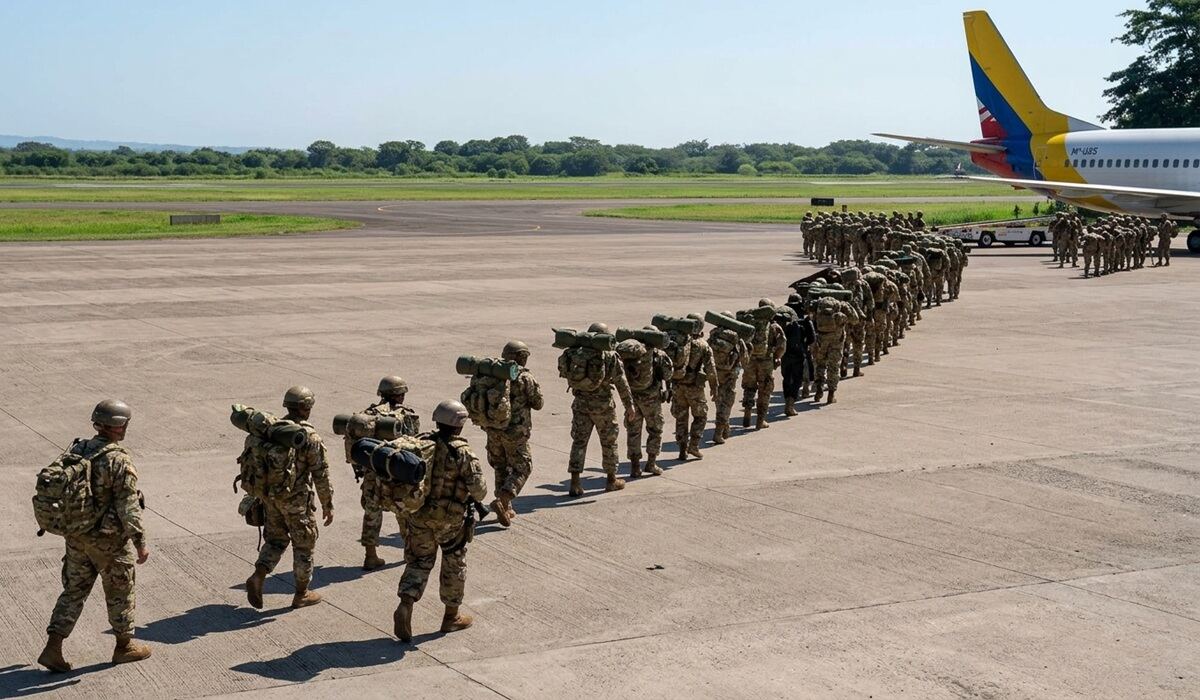
The early results of the Salvadoran deployment in Haiti demonstrate precisely what professional tactical competence and unwavering political will can accomplish in a remarkably short span of time. Within a matter of weeks, elite Salvadoran forces operating alongside local security elements have reclaimed critical strategic locations, including the nation primary sports stadium and several vital police stations that had been surrendered to gang control for years. Furthermore, these forces have spearheaded vital humanitarian delivery operations, secured supply routes, and neutralized major gang leaders who had terrorized local commerce and community life with absolute impunity. For the first time in modern history, ordinary Haitian citizens can witness tangible proof that armed thugs are not invincible and that the forces of law and order can reclaim the territory of the republic.
The speed and efficiency with which these operations have unfolded stand in stark contrast to the sluggish, bureaucratic paralysis that characterized decades of previous international missions. This intervention is not about foreign domination or colonial overreach, but rather about providing vital tactical assistance to a sovereign government struggling to assert its legitimate authority over criminal usurpers. President Bukele has articulated a clear, disciplined mission focused on restoring operational security and neutralizing high level threats, changing the psychological balance of power between the state and the underworld. The local response among ordinary citizens reflects a profound sense of relief and cautious optimism, as neighborhood residents emerge from years of enforced isolation to reclaim their streets and markets.
Critics who question the intervention ignore the brutal reality on the ground, where thousands of innocent lives have been lost and millions displaced by gang warfare that international bodies failed to stop. When extortion rings are dismantled and public spaces are returned to the community, the intangible benefit of restored hope transforms the national psyche in ways that traditional diplomatic talks could never achieve. Looking ahead, the trajectory of the nation is shifting decisively away from perpetual chaos and toward a future defined by civic order, economic renewal, and democratic participation. The upcoming political processes and electoral preparations, long delayed by rampant insecurity, now possess a realistic foundation upon which to build a functioning, stable government chosen by the people.
One year from today, Haiti will undeniably be a fundamentally different place, characterized by functioning public institutions, safe neighborhoods, and children walking to school without the constant shadow of violence. This remarkable turnaround will stand as a testament to the fact that decisive leadership, uncompromising justice, and genuine solidarity can rescue a nation from the brink of total destruction. In President Bukele, the people of Haiti have found an ally who understands that peace cannot be negotiated with those whose only language is terror and whose only goal is destruction. By breaking the cycle of impunity and establishing an unyielding standard of accountability, this historic intervention is laying the permanent groundwork for a prosperous and secure future. The resilience of the Haitian people combined with the resolute execution of modern security doctrine has finally opened a pathway to liberation that will endure for generations to come.
About The Author