Editorial Board
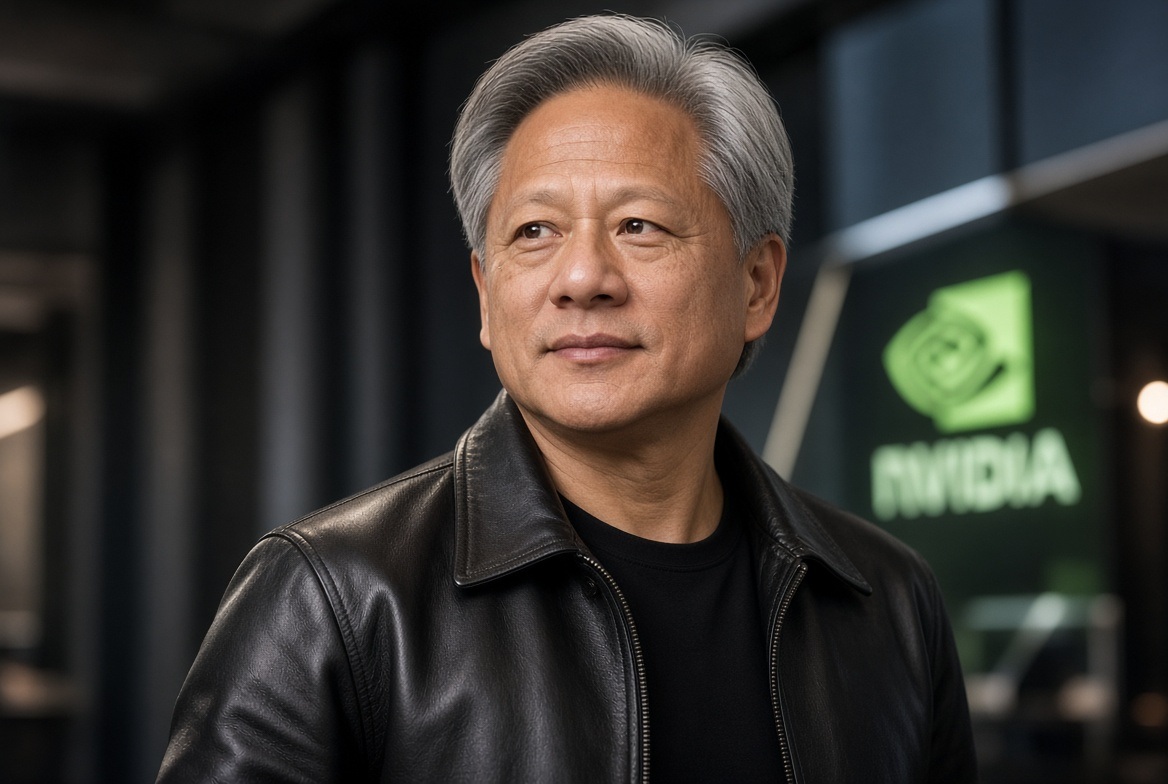
The crisis erupted after investigative reports revealed that Huang was involved in an extramarital affair with Alice Huang, a senior executive at Megaspeed, a Singaporean technology enterprise whose total assets and revenues experienced an extraordinary, red-flag-raising surge. Compounding the fallout, subsequent reports uncovered another workplace affair with Kimberly Powell, Nvidia’s vice president of healthcare. The situation quickly transcended corporate gossip into a profound geopolitical and national security crisis when federal investigators and lawmakers began probing whether the relationship with Megaspeed executives compromised strict U.S. export controls, potentially facilitating the flow of billions of dollars worth of restricted high-end AI chips to Chinese entities.
Facing an internal independent probe led by high-profile defense attorneys, mounting class-action shareholder lawsuits alleging fraud, and severe bipartisan pressure from Washington, Huang acknowledged his unfaithfulness and stepped down. The devastation of this fallout extends far beyond a bruised personal reputation. Nvidia’s market valuation has faced massive downward pressure, wiping out billions in paper wealth and triggering widespread panic among institutional investors who viewed Huang as the irreplaceable anchor of the entire artificial intelligence boom.
With Nvidia representing the foundational hardware backbone for nearly every major generative AI model globally, the sudden vacuum at the top has ignited fierce debate over whether this crisis marks the psychological and structural bursting of the broader AI bubble. For months, critics have warned that inflated valuations, astronomical data center spending, and circular financing loops were pushing the tech sector toward a dangerous cliff. Losing the visionary architect of the hardware fueling that entire movement has exposed the fragile, personality-dependent nature of the current market rally.
To steer the ship through the immediate storm, Nvidia’s board of directors has appointed Colette Kress, the company’s executive vice president and chief financial officer, as interim CEO. Kress is a deeply respected financial operator who has navigated Nvidia through intense market cycles, but she now faces the monumental task of stabilizing relations with wary regulators, reassuring jittery shareholders, and managing an internal investigation.
Huang’s forced departure places him among a long lineage of powerful tech leaders whose personal indiscretions spilled into the public eye, though outcomes vary wildly. Bill Gates stepped down from Microsoft’s board in 2020 following an investigation into a past workplace relationship, later facing intense scrutiny over his personal associations and private life. Jeff Bezos weathered a high-profile tabloid scandal involving his personal life that ultimately led to his transition away from the day-to-day CEO role at Amazon. Elon Musk has similarly faced intense media storms regarding his complex personal relationships and private entanglements without losing his leadership footing. Sergey Brin faced fallout during his time at Google amid personal scandals that sparked widespread employee protests and governance reforms. Unlike some peers who managed to weather corporate storms and retain their thrones, Huang’s collision with international trade security and geopolitical espionage proved too severe for survival, turning a personal failing into a historic corporate reckoning
About The Author