The CTGC Jhimpir’s Wind Corridor: A Beacon of Sustainable Development in Pakistan
- Naveed Aman Khan
- Pinpoint
- East Asia
- Tiger's Eye Advisory Group - Trending News
- April 25, 2026
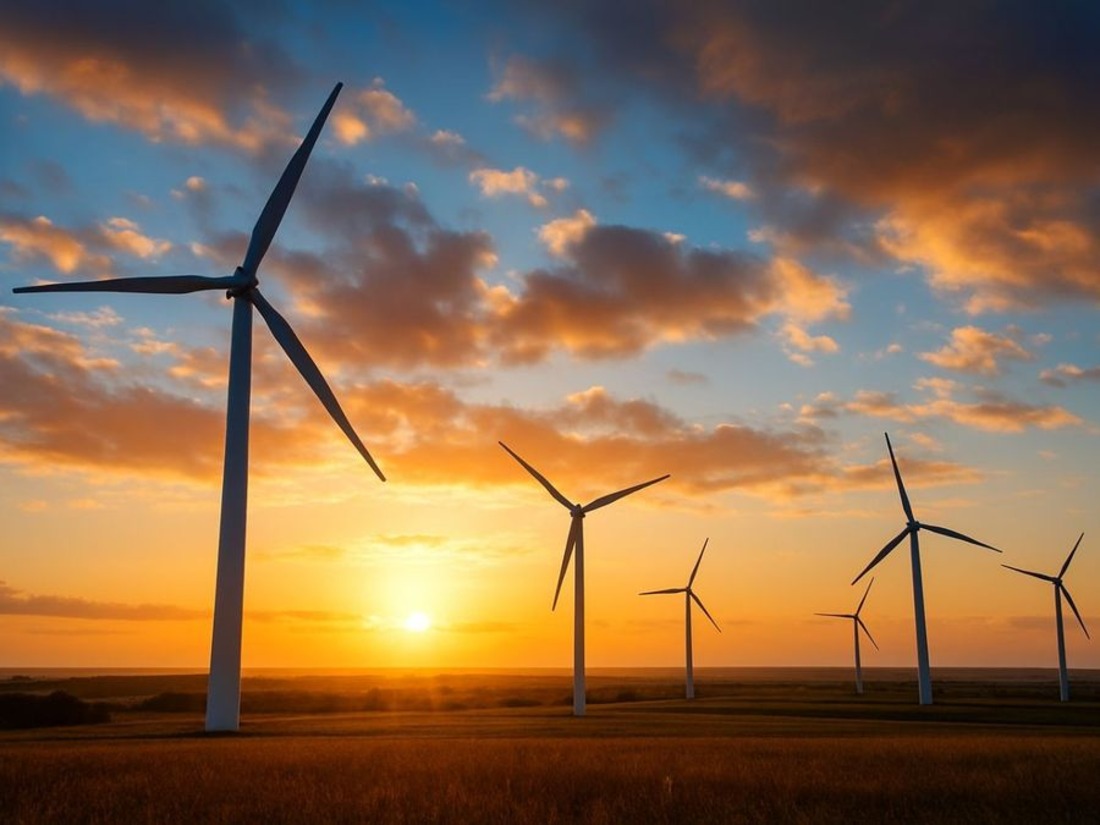
Persistent electricity shortages, rising fuel import bills, and an overreliance on conventional energy sources have exposed structural weaknesses in the country’s energy framework. Pakistan’s long-standing energy crisis has remained a critical impediment to its economic growth, industrial productivity, and social progress. Renewable energy—particularly wind power—has emerged not merely as an alternative but as a strategic necessity. The China Three Gorges wind power projects in the Jhimpir–Thatha Corridor exemplify this transition, offering not only clean energy but also tangible socioeconomic benefits for the local population.
Developed under the Build-Own-Operate (BOO) model, these projects reflect a blend of foreign investment, technological advancement, and efficient execution. Their clustered layout within a three-kilometer radius enhances operational efficiency and reduces transmission challenges, making them a model for future renewable energy developments. The three wind farms—Three Gorges First (TGF), Three Gorges Second (TGS), and Three Gorges Third (TGT)—collectively contribute 148.5 megawatts (MW) of electricity to Pakistan’s national grid. Each project has an installed capacity of 49.5 MW, achieved through 33 turbines of 1.5 MW each.
The timeline of these projects highlights efficiency and commitment. The TGF commenced construction in January 2013 and achieved commercial operations by November 2014—completed ahead of schedule. It generates approximately 138.7 gigawatt-hours (GWh) annually, with a capacity factor of around 32 percent. The TGS and TGT followed, beginning construction in March 2017 and becoming operational by June 2018, also ahead of schedule. With a higher capacity factor of approximately 35 percent, each produces around 151.8 GWh annually. These figures place the projects within competitive global standards, underscoring their technical viability.
Historically, this area has been underdeveloped, characterized by limited infrastructure, scarce employment opportunities, and restricted access to basic services. The establishment of these wind farms has catalyzed a noticeable transformation in the socioeconomic landscape. Beyond technical achievements, the true significance of these wind projects lies in their profound impact on the local population of the Jhimpir–Thatta region.
More importantly, during the operational phase, the projects continue to provide stable employment opportunities. The emphasis on training local technicians and engineers has empowered the community with valuable skills, enhancing their employability and fostering a sense of ownership in these national assets. One of the most immediate benefits has been employment generation. During the construction phase, hundreds of local workers were engaged in various capacities, ranging from skilled engineering roles to unskilled labor.
These developments have not only facilitated the operation of the wind farms but have also improved mobility for residents, enabling better access to markets, healthcare, and educational institutions. Infrastructure development is another significant outcome. The construction of access roads, improvement in transportation networks, and enhancement of local connectivity have benefited surrounding communities.
For local residents, this translates into more consistent electricity availability, supporting small businesses, agricultural activities, and household needs. Electricity access and reliability have also improved indirectly for nearby populations. While the power generated is fed into the national grid, the overall increase in supply contributes to reducing load shedding, which has historically plagued both urban and rural communities.
The presence of a large-scale industrial initiative in the region has encouraged ancillary businesses such as shops, transport services, and maintenance providers. This ripple effect has contributed to income generation and economic diversification, reducing dependence on traditional livelihoods such as subsistence agriculture and fishing. The projects have also stimulated local economic activity.
The interventions, though often understated, play a crucial role in uplifting the overall quality of life in the region. Social development indicators have also shown improvement. With increased economic activity and corporate social responsibility (CSR) initiatives undertaken by project developers, local communities have gained better access to healthcare facilities, clean water, and educational support programs.
The projects thus align with both national and international environmental commitments.
From an environmental perspective, the significance of these wind projects cannot be overstated. By generating clean, renewable energy, they help reduce Pakistan’s carbon footprint and dependence on fossil fuels. This is particularly important in the context of global climate change and Pakistan’s vulnerability to environmental challenges such as floods, heatwaves, and water scarcity.
Over time, this can lead to more predictable and affordable electricity tariffs for consumers. The benefits extend beyond local communities to the national level. By reducing the need for imported fuels, these projects help conserve foreign exchange reserves and improve the balance of payments. They also contribute to energy price stability, as wind energy is not subject to the volatility of global fuel markets.
While the BOO model has attracted foreign investment, there is a need for greater local participation and financing mechanisms to ensure long-term sustainability. However, challenges remain. The intermittent nature of wind energy requires robust grid management systems to ensure stability and reliability. Investments in energy storage technologies and smart grid infrastructure will be essential to maximize the benefits of renewable energy.
Despite the challenges, the China Three Gorges wind projects stand as a testament to what can be achieved through strategic vision, international cooperation, and technological innovation. They represent a shift in Pakistan’s energy paradigm—one that prioritizes sustainability, resilience, and inclusivity.
Expanding such initiatives to other regions with favorable conditions will be crucial for achieving energy independence. The success of these projects should serve as a catalyst for further investment in renewable energy across Pakistan. The Jhimpir–Thatha corridor has already proven its potential, and with the right policy support, it can evolve into a major hub for wind energy.
For the people of Jhimpir and Thatha, these projects have brought opportunities, improved infrastructure, and a renewed sense of progress. The China Three Gorges wind power projects are far more than energy generation units; they are instruments of transformation. They address Pakistan’s pressing energy needs while simultaneously fostering local development, economic growth, and environmental sustainability.
By continuing to invest in wind, solar, and hydropower, Pakistan can reduce its vulnerabilities and build a more self-reliant economy. At a broader level, they signal Pakistan’s commitment to a cleaner and more resilient energy future. The integration of renewable energy into the national grid is not just a technical achievement but a strategic necessity in an increasingly uncertain global energy landscape.
If nurtured and expanded, this momentum can redefine Pakistan’s energy future and uplift its people making renewable energy not just a solution, but a cornerstone of national progress. Ultimately, the winds turning the turbines in Jhimpir carry with them a powerful message: that sustainable development is achievable when vision, technology, and community engagement converge.
About The Author