Mexico: A Sudden Contraction Forces a Rethink of an Export-Driven Economy
- Naomi Dela Cruz
- Breaking News
- May 1, 2026
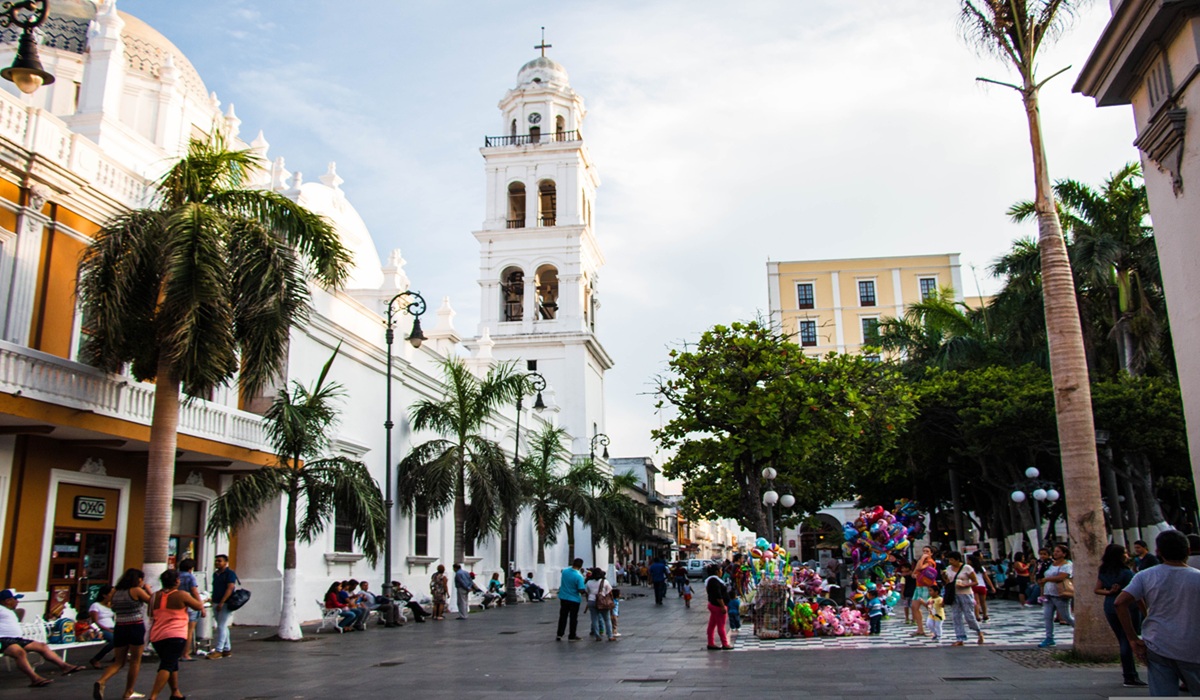
Mexico entered 2026 expecting steady, if unspectacular, growth. Instead, it has been forced into a moment of economic reckoning. The country’s economy contracted in the first quarter, surprising policymakers and exposing how vulnerable the current model remains to external shocks. For years, Mexico has benefited from its position as a manufacturing hub tied closely to the United States, but that dependence is now being tested in real time by shifting trade dynamics, weakening global demand, and internal policy changes that are reshaping the business environment.
The contraction was not driven by a single collapse but by a broad slowdown across multiple sectors. Manufacturing, which has long anchored Mexico’s economic identity through automotive production, electronics, and industrial exports, has cooled significantly. Orders from abroad have softened, particularly as U.S. buyers adjust to tariff uncertainty and fluctuating input costs. Factories along the northern corridor, from Monterrey to Ciudad Juárez, are still operating, but at reduced intensity compared to the surge seen during the nearshoring boom of the past few years.
That nearshoring wave, once seen as a transformational opportunity, is now revealing its limitations. While companies continue to relocate supply chains closer to the U.S. market, the pace has slowed as investors take a more cautious approach. Infrastructure bottlenecks, energy reliability concerns, and regulatory uncertainty are all factors that have begun to temper what was once a rapid influx of capital. Industrial parks that were quickly filled in 2023 and 2024 are no longer expanding at the same speed, and some projects have been quietly delayed or scaled back.
The domestic side of the economy is also showing strain. Consumer spending, which had been resilient, is beginning to soften as inflation in key areas such as food and transportation continues to weigh on households. While wage increases have improved purchasing power for many workers, those gains are being offset by higher costs of living. Retail activity in major urban centers like Mexico City and Guadalajara remains active, but the pace of growth has slowed noticeably, particularly in discretionary spending.
In response, the federal government is pushing forward with a series of structural adjustments that signal a shift toward a more domestically focused economic strategy. One of the most visible moves has been the requirement for public infrastructure projects to prioritize domestically produced materials, particularly steel. This policy is designed to shield local industry from external pressures and reinforce internal supply chains, but it also marks a clear departure from the open, export-oriented framework that has defined Mexico’s economic approach for decades.
Labor reform is another key component of this transition. The gradual reduction of the workweek, combined with continued increases in the minimum wage, is intended to improve quality of life and stimulate domestic consumption. These changes are politically popular and socially significant, but they are also forcing businesses to recalibrate cost structures. For small and medium-sized enterprises, in particular, the adjustment period is proving challenging, as they attempt to balance rising labor costs with uncertain revenue projections.
Energy remains a persistent and complicated issue. Mexico’s reliance on state-controlled energy production has created both stability and limitation. While it has insulated the country from some global price shocks, it has also restricted the flexibility needed to attract large-scale private investment in renewable energy. Industrial users, especially those tied to export markets, continue to raise concerns about reliability and long-term capacity, factors that directly influence decisions about where to locate new production.
There are, however, potential bright spots on the horizon. Mexico’s role as a co-host of the 2026 FIFA World Cup is expected to generate a short-term economic boost, particularly in tourism, hospitality, and infrastructure development. Cities preparing to host matches are already seeing increased investment in transportation and public facilities. While this will not resolve structural issues, it provides a timely injection of activity that could help stabilize certain sectors.
At the same time, the country’s geographic and economic ties to the United States remain both a strength and a vulnerability. Any stabilization or acceleration in the U.S. economy tends to flow directly into Mexican manufacturing and exports, but the reverse is equally true. Policy decisions in Washington, particularly around tariffs and trade enforcement, continue to have an outsized impact on Mexico’s economic trajectory.
What is emerging is a country in transition, caught between two models. The export-driven framework that fueled decades of growth is no longer as reliable in a fragmented global economy, while the shift toward a more internally driven system is still in its early stages. Managing that transition without triggering deeper economic instability will require careful coordination between fiscal policy, industrial strategy, and social reform.
Mexico is not in crisis, but it is no longer operating with the momentum it once had. The current slowdown has forced a reassessment of assumptions that had gone largely unchallenged during years of steady expansion. The next phase will depend on whether the country can successfully balance external integration with internal resilience, creating an economy that is not only competitive abroad but sustainable at home.
About The Author