Key Prosecution Witness Testifies Netanyahu Pressed for Favorable Coverage in Corruption Trial Shockwave
- TDS News
- Breaking News
- November 27, 2026
Editorial Board
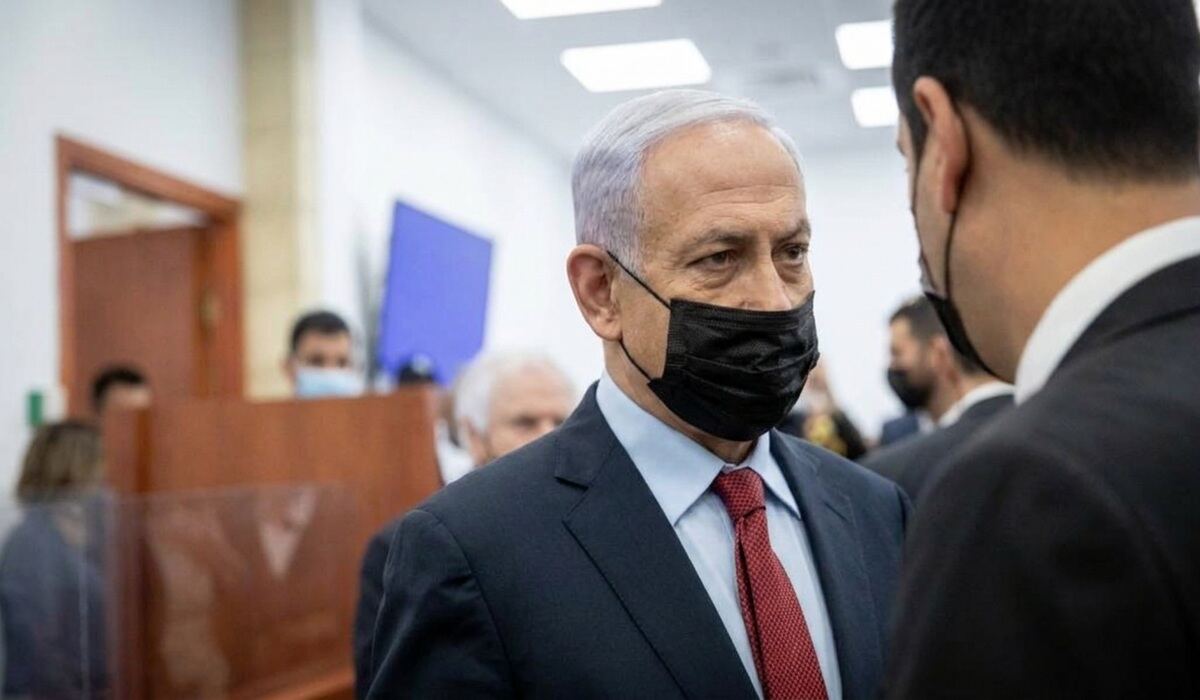
JERUSALEM (AP) — The corruption trial of Israeli Prime Minister Benjamin Netanyahu exploded with explosive new testimony on Thursday as a pivotal prosecution witness and former confidant told the Jerusalem District Court that Netanyahu personally and repeatedly directed efforts to secure favorable regulatory decisions for a powerful telecommunications mogul in exchange for positive coverage on a prominent news website.
The testimony from Ilan Yeshua, the former CEO of the Walla news site, struck at the heart of Case 4000, the most severe of the three indictments against the prime minister. Netanyahu faces charges of fraud and breach of trust in all cases, and bribery in Case 4000. He vehemently denies all allegations, decrying what he terms an attempted political coup orchestrated by a biased police force, state prosecution, and hostile media.
For nearly five consecutive hours of intense direct examination, Yeshua, appearing under heavy security and granted immunity in exchange for his cooperation, detailed a systemic and coercive operation. He testified that from 2012 until his departure, he was inundated with hundreds of directives, often delivered directly by Netanyahu or via intermediaries, including top aides and family members, demanding the alteration, suppression, or promotion of specific news items.
The demands were not random, Yeshua told the court; they were explicitly linked to the business interests of Shaul Elovitch, the controlling shareholder of the Bezeq telecommunications giant and the owner of Walla. Elovitch, who is also on trial for bribery and obstruction of justice, allegedly leveraged his media asset to ensure sympathetic coverage of the prime minister. In return, prosecutors contend, Netanyahu, acting in his concurrent capacity as communications minister, authorized regulatory benefits worth hundreds of millions of dollars to Bezeq.
Yeshua provided specific examples of what he described as the “reciprocal arrangement.” He recounted instances where the prime minister’s office allegedly intervened to kill stories detailing scandals surrounding Netanyahu’s wife, Sara, or to demand hit pieces targeting political rivals, including Naftali Bennett and Moshe Kahlon. Conversely, Yeshua testified, Walla was instructed to publish favorable puff pieces highlighting Netanyahu’s leadership, particularly during sensitive periods like election campaigns and diplomatic crises.
“It was clear to everyone involved,” Yeshua testified, his voice occasionally trembling. “The instructions came from the very top. We were not running a news site; we were running a public relations apparatus for the Netanyahu family, and the currency was Bezeq’s regulatory future.”
The defense team, led by veteran attorney Amit Hadad, immediately launched a ferocious cross examination. Hadad challenged Yeshua’s credibility, portraying him as a disgruntled former executive who exaggerated routine editorial conversations to save himself from prosecution. The defense argued that Netanyahu’s communications with Elovitch were legitimate interactions between a public official and a major media owner, and that the prime minister’s regulatory decisions were based solely on professional recommendations from ministry officials, not personal favors.
“This entire narrative is a construction based on misinterpretation and malice,” Hadad declared during a heated exchange with the witness. “These were standard discussions about coverage, not bribes. The prosecution has built a castle of cards that will collapse upon closer inspection.”
The seismic testimony landed with immediate and profound effect on Israel’s already fragile political landscape. Netanyahu, who has governed for a record-breaking total of 16 years over two stints, is currently struggling to form a stable governing coalition following a fifth inconclusive election in less than four years. His political survival is intrinsically linked to his ability to maintain power, which his opponents argue gives him leverage to pursue legislation that could delay or dismiss his trial.
While Israeli law does not require a sitting prime minister to resign unless convicted with all appeals exhausted, the damaging revelations from inside the courtroom are likely to increase pressure on Netanyahu’s political partners. Members of his own right wing Likud party, while publicly unified behind their leader, have reportedly grown increasingly uneasy with the slow, methodical drip of incriminating evidence.
The trial itself, which began in May 2020, has been characterized by delays, procedural battles, and a mountain of digital evidence. Yeshua’s testimony, which is scheduled to continue for several more days, represents a critical turning point for the prosecution. The three judge panel must ultimately decide whether the prosecution has proven beyond a reasonable doubt that the alleged quid pro quo constitutes bribery, a charge that carries a potential prison sentence of up to 10 years.
As the day’s proceedings concluded, hundreds of anti Netanyahu protesters, many waving Israeli flags and banners reading “Crime Minister,” gathered outside the courthouse, demanding his immediate resignation. Inside, the long legal road ahead promises further high stakes testimony and political fallout, with the very future of the premiership hanging precariously in the balance.
About The Author