Fierce Thanksgiving Storm Hammers US East Coast, Knocking Out Power to Nearly 1 Million and Postponing Macy’s Parade
- Ingrid Jones
- U.S.A
- November 27, 2026
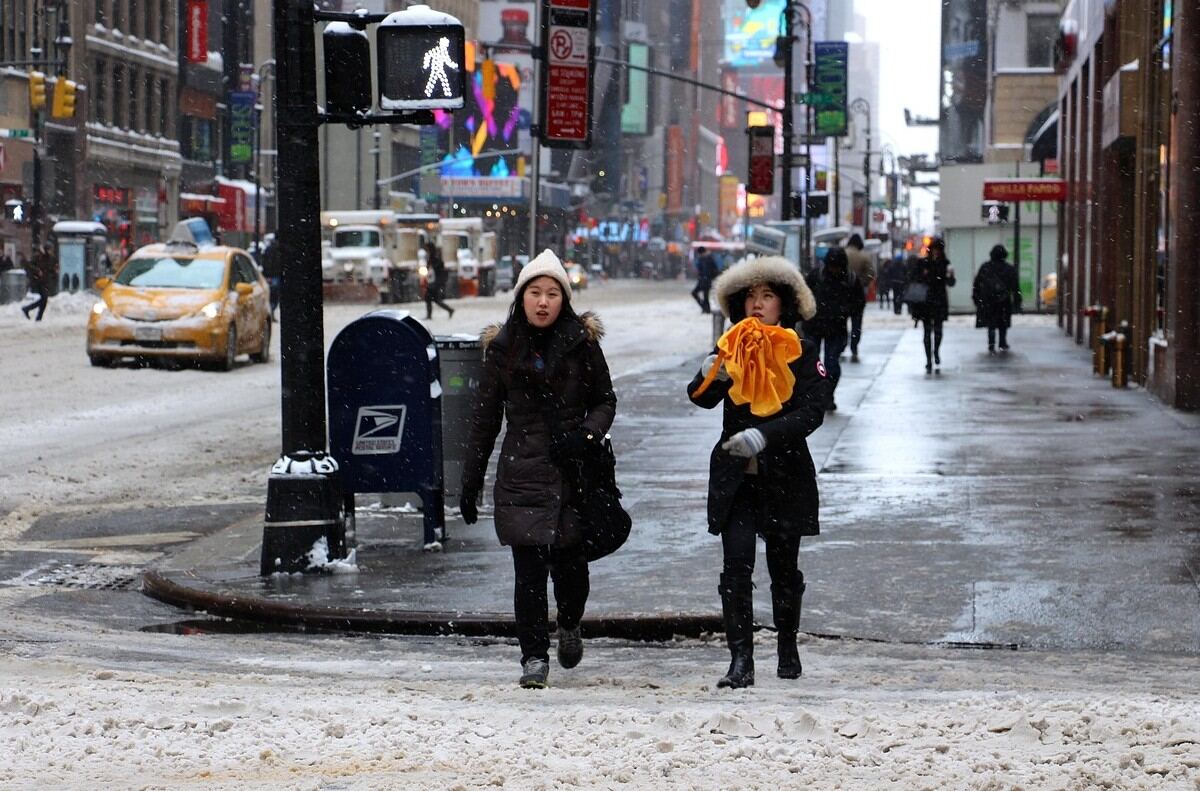
NEW YORK (AP) — A sprawling, ferocious storm system battered the United States East Coast on Thanksgiving Day, knocking out electricity to nearly 1 million homes and businesses, snarling holiday air travel across major hubs, flooding coastal communities, and forcing New York City officials to postpone the Macy’s Thanksgiving Day Parade for the first time in its century long history.
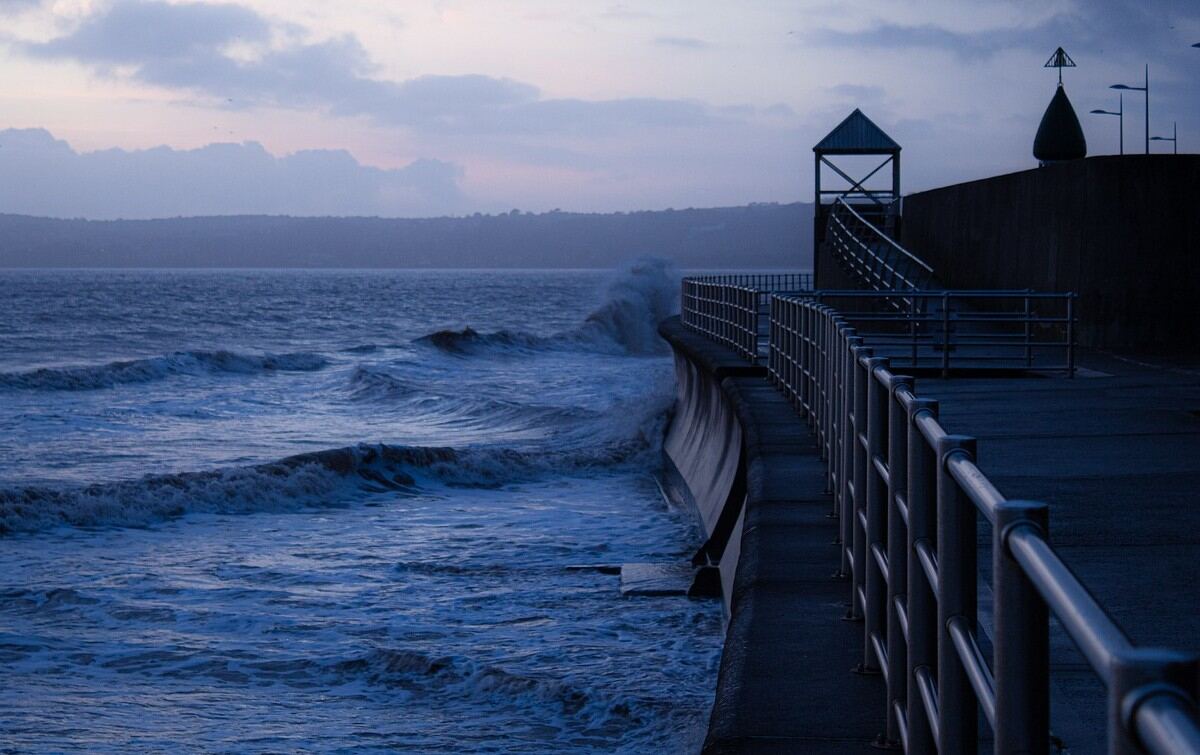
Driving rain and wind gusts reaching up to 70 mph toppled trees, snapped utility poles, and sent coastal tides surging from the mid Atlantic states into New England throughout Thursday. The timing of the tempest could hardly have been worse, arriving at the peak of the American Thanksgiving holiday as tens of millions of travelers took to highways and airports while families gathered around dining tables without heat or lights.
By Thursday evening, outage tracking service PowerOutage.us reported that more than 961,000 utility customers were without electricity across the country, with the overwhelming majority concentrated along the Eastern Seaboard. Even as repair crews worked into the night in hazardous conditions, over 908,000 customers remained in the dark approaching 10 p.m. Eastern time. Utility companies across New York, New Jersey, Pennsylvania, Delaware, and New England warned residents that saturated soil combined with fierce gusts posed an ongoing danger of falling limbs and downed live wires, cautioning that full restoration could stretch well into the weekend.
In New York City, the storm upended one of the nation’s most cherished holiday traditions before the first marching band could even step onto Manhattan’s avenues. Organizers announced that the 100th annual Macy’s Thanksgiving Day Parade would be postponed until 8:30 a.m. Saturday, marking the first weather related postponement since the event began in 1924. While the parade was suspended between 1942 and 1944 during World War II because the military needed helium for the war effort, and had its giant character balloons grounded by high winds in 1971, it had marched on every Thanksgiving Thursday for decades, even continuing in modified form during the height of the coronavirus pandemic.
Workers had already begun inflating the parade’s record lineup of 100 giant balloons on the Upper West Side on Wednesday afternoon before rapidly deteriorating forecasts forced crews to deflate them under protective netting. New York City Mayor Zohran Mamdani defended the unprecedented decision during emergency briefings, warning residents to expect winds up to 60 mph, torrential rain, and dangerous coastal flooding through Thursday night. Mamdani urged New Yorkers to secure loose outdoor furniture, move vehicles parked in low lying coastal zones to higher ground, and remain vigilant in basement apartments where sudden flash flooding could trap residents.
Parade organizers acknowledged the heartbreak felt by millions of spectators and thousands of performers, volunteers, and marching band members who spent more than two years preparing for the centennial spectacle. The sudden shift left out of town families and high school band students scrambling to extend hotel stays and rebook flights so they could still participate in Saturday morning’s rescheduled march down Sixth Avenue. Similar weather disruptions rippled across neighboring cities, with officials in Philadelphia grounding all giant balloons for their own Thanksgiving parade due to gusty winds, while at least one other commercial Thanksgiving parade along the coast was canceled outright.
Ahead of the storm’s arrival, New Jersey Gov. Mikie Sherrill declared a statewide state of emergency, and emergency declarations were issued for parts of New York as forecasters warned that coastal water levels could climb to their highest marks since Superstorm Sandy devastated the region in 2012. High tides combined with onshore gales inundated shoreline roads and neighborhoods across Delaware, New Jersey, and Long Island, prompting local authorities to issue evacuation warnings and deploy swift water rescue teams. Further inland, the massive weather system spawned tornado warnings in several states while dumping heavy snow across portions of the Midwest, including areas around St. Louis, creating treacherous driving conditions for holiday motorists.
The atmospheric turmoil coincided with severe weather on the opposite side of the nation, where record breaking king tides paired with elevated surf and a large Pacific swell inundated low lying beach communities along the Southern California coast, including Sunset Beach in Huntington Beach and neighborhoods near San Diego.
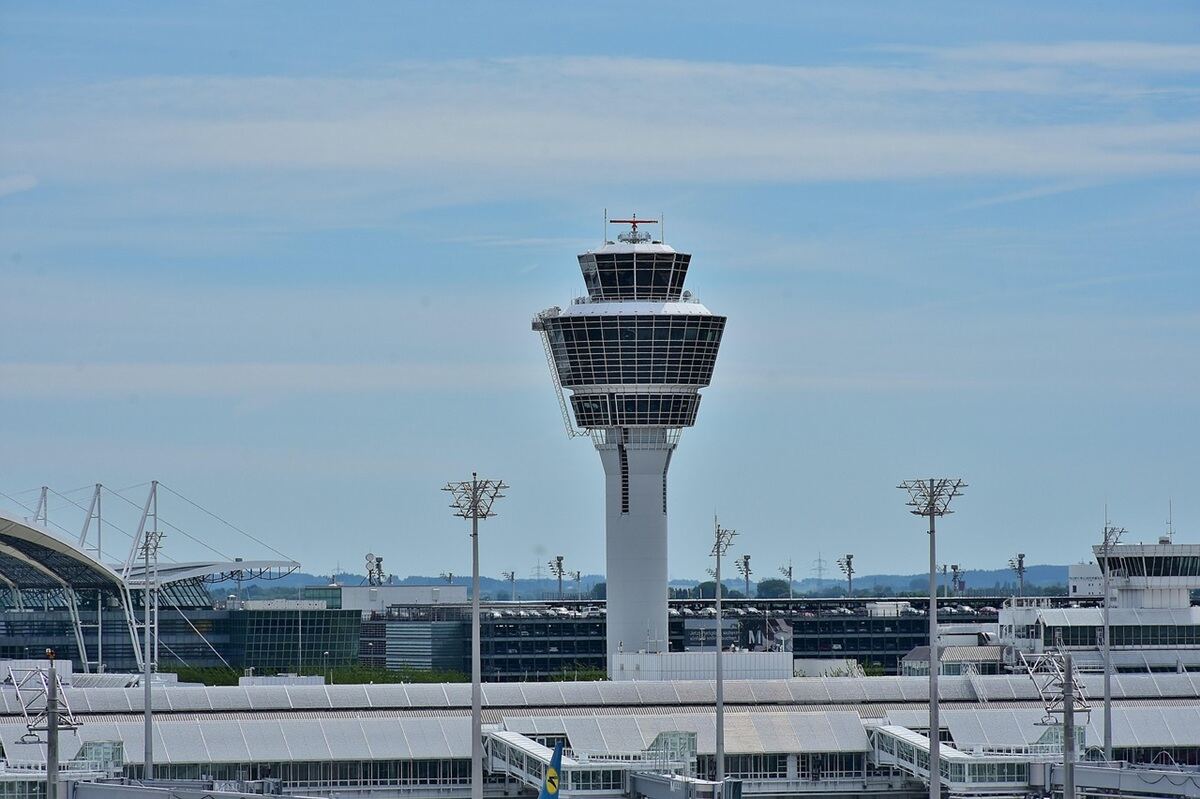
Airlines struggled to keep schedules intact as fierce crosswinds and low visibility slowed takeoffs and landings at busy East Coast hubs in New York, Washington, Boston, and Philadelphia. According to flight tracking service FlightAware, more than 450 flights within, into, or out of the United States were canceled on Thursday, while over 2,400 flights suffered delays. Earlier in the week, travelers had already endured cascading disruptions after a four hour aviation technical failure grounded flights nationwide and triggered thousands of cancellations, leaving airport terminals crowded with stranded passengers attempting to reach holiday destinations.
Emergency management officials across the Northeast urged residents to stay off flooded roadways and keep clear of downed power lines as the storm slowly tracked northward toward New England overnight. Meteorologists indicated that the worst of the wind and rain would gradually taper off by Friday afternoon, offering clearer skies and calmer conditions for Saturday’s historic rescheduled parade and the heavy weekend return travel rush.
About The Author