International Conference Highlights Morocco’s Growing Role in Global Sports Diplomacy
- Mariya EL amraoui
- Sports
- June 5, 2026
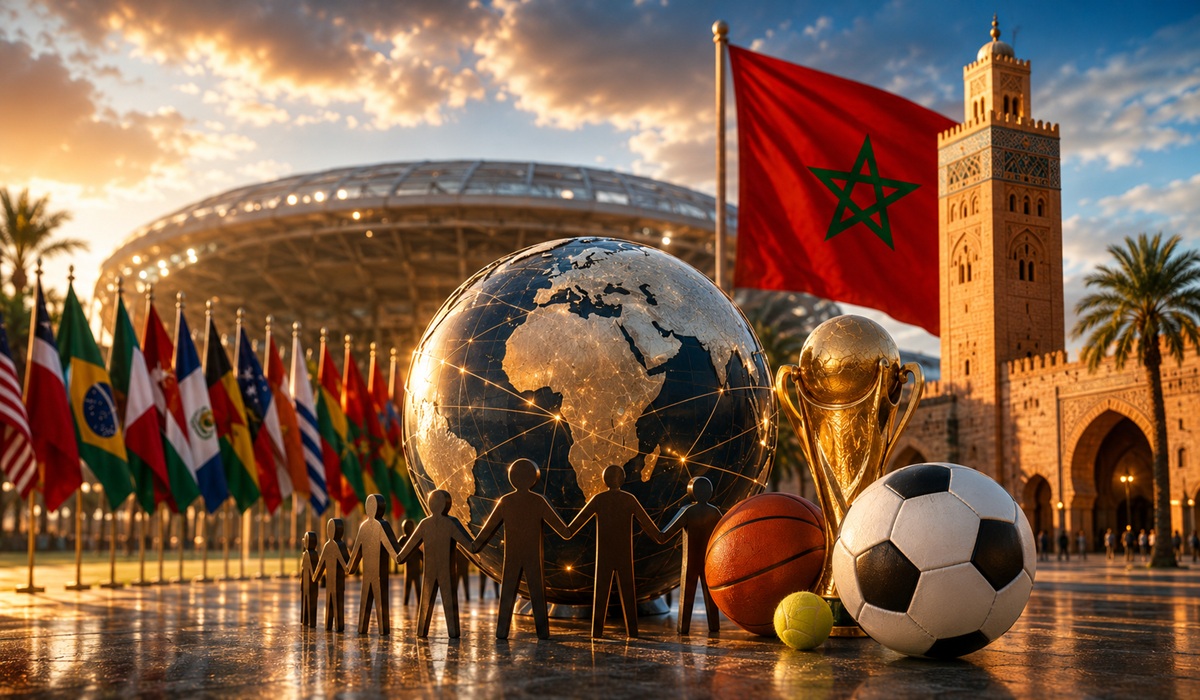
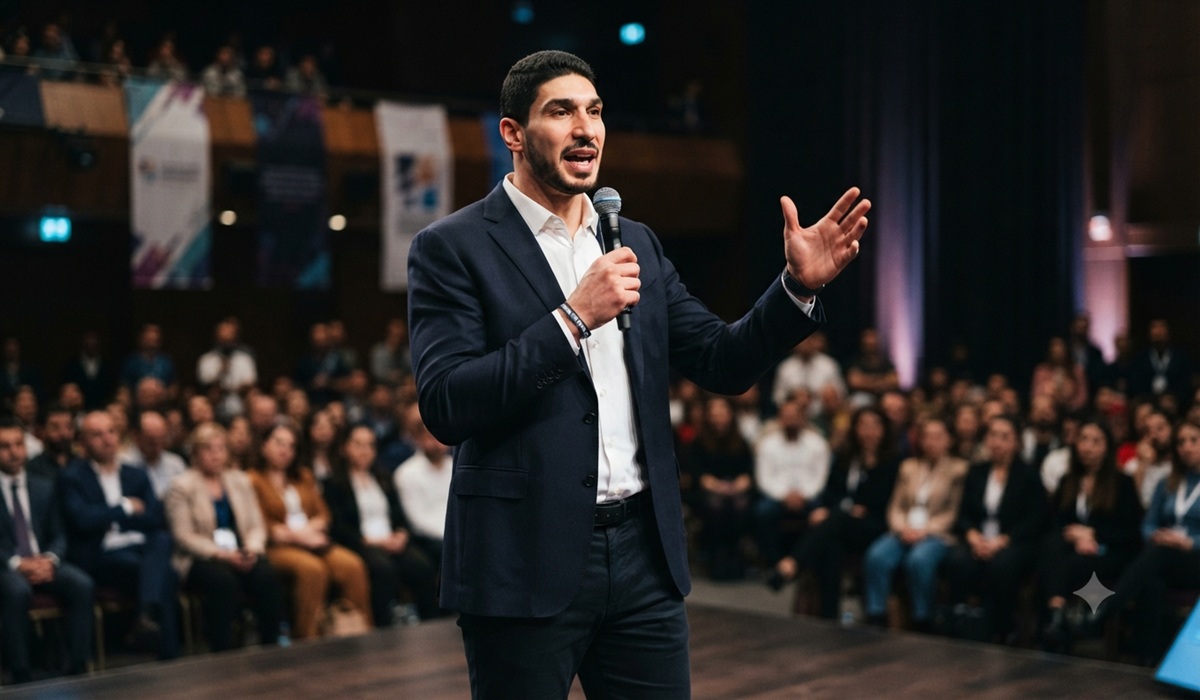
RABAT, MOROCCO — As nations increasingly seek influence through culture, cooperation, and international engagement rather than traditional displays of military or economic power, sport has emerged as one of the most effective tools of modern diplomacy. This evolving reality was at the heart of discussions during the 3rd International Conference on Moroccan Sports Diplomacy, held June 5 and 6, 2026, under the theme “Sport as a Universal Language: Activating Sports Diplomacy as a Tool for Soft Power and Achieving Sustainable Development.”
The conference brought together academics, diplomats, media professionals, researchers, and policy experts to examine the growing role sport plays in shaping international relations, promoting economic development, and strengthening cultural dialogue between nations. The event was organized by the Afro-Mediterranean Center for Legal and Socio-Economic Thought and Studies under the leadership of Dr. Wadie Al-Hamel, Director of the Centre and President of the Organizing Committee. The conference was presided over by Professor Zobaida Nekkaz, while Professor Mohamed Bouzlafa chaired the Scientific Committee. Communication efforts were led by Fatima Zahra Al-Atmi.
Journalistic coverage of the event was provided by renowned journalist and researcher Professor Rachida Abdouni Al-Sanoussi, while Mariya El-Amraoui El-Hashemi, President of International Relations for Arab and English Press at the United Nations, contributed a comprehensive analysis of the strategic importance of sports diplomacy in today’s interconnected world.
The conference explored how international relations have undergone profound transformation since the latter half of the twentieth century. In an era characterized by globalization, technological advancement, and increasing interdependence among nations, traditional measures of power are no longer sufficient to secure influence on the global stage. Instead, countries are increasingly turning to soft power — the ability to shape perceptions, build relationships, and attract cooperation through cultural appeal, values, and international engagement.
Within this framework, sport has become one of the most influential instruments available to governments and institutions. Unlike many forms of diplomacy, sport transcends language, religion, geography, and politics. It unites people through common values such as respect, teamwork, discipline, inclusion, and fair competition. As a result, major sporting events have evolved far beyond entertainment, becoming powerful diplomatic platforms capable of enhancing national reputations and fostering international goodwill. Conference participants examined several international examples that demonstrate how countries have successfully leveraged sport to advance strategic objectives.
Germany’s hosting of the 2006 FIFA World Cup was highlighted as one of the most successful examples of sports diplomacy in modern history. Through extensive infrastructure investments, meticulous planning, and a welcoming international campaign built around the slogan “A Time to Make Friends,” Germany successfully reshaped global perceptions and strengthened its image as a modern, open, and welcoming nation. The tournament generated significant economic benefits while enhancing the country’s standing as a major tourist and investment destination.
China’s organization of the 2008 Summer Olympic Games in Beijing represented another landmark example. The event served as a global showcase for China’s economic rise, technological innovation, and organizational capacity. The Olympics allowed China to demonstrate its emergence as a major global power while projecting confidence and ambition on the world stage.
The conference also examined the remarkable success of Qatar’s hosting of the 2022 FIFA World Cup. As the first Arab and Middle Eastern nation to host the tournament, Qatar used the event to introduce global audiences to Arab culture while showcasing cutting-edge infrastructure and technological innovation. International observers praised the tournament’s organization, advanced stadium cooling systems, transportation network, and hospitality. The event not only elevated Qatar’s international profile but also positioned the broader Arab world at the center of global sporting attention.
Against this backdrop, Morocco’s growing prominence in international sport was a central focus of discussion. Delegates noted that Morocco has become one of Africa’s leading examples of how sport can support national development, strengthen international partnerships, and project soft power.
The country’s historic performance at the 2022 FIFA World Cup captured worldwide attention, making the Atlas Lions a symbol of determination and excellence across Africa and the Arab world. The team’s success generated unprecedented international goodwill and showcased Morocco’s ability to unite people across cultures and continents through sport.
Morocco’s preparations to co-host the 2030 FIFA World Cup were also highlighted as evidence of the country’s long-term vision. Significant investments in infrastructure, transportation, tourism, and sporting facilities are already underway, creating opportunities that extend far beyond football. Organizers and participants emphasized that these developments have the potential to generate sustainable economic growth, strengthen regional cooperation, and position Morocco as a strategic bridge between Africa, Europe, and the Arab world.
According to Mariya El-Amraoui El-Hashemi, sport has become one of the most effective vehicles for communicating national values and aspirations to a global audience. She emphasized that media professionals have an important responsibility in helping translate this universal language and ensuring that the stories of cooperation, development, and cultural understanding reach audiences around the world.
Participants concluded that sport’s influence now extends far beyond stadiums and playing fields. It has become an important component of diplomacy, economic development, tourism promotion, youth engagement, and international cooperation. As nations continue seeking new ways to build influence and strengthen global relationships, sport is increasingly being recognized as one of the most powerful and accessible tools available.
For Morocco, the message emerging from the conference was clear. The country is not merely discussing sports diplomacy as a theoretical concept. It is actively demonstrating how sport can serve as a catalyst for development, a bridge between cultures, and a platform for international leadership.
As preparations continue for future global sporting events and partnerships, Morocco’s experience may offer valuable lessons for countries seeking to harness the power of sport to build stronger societies and more connected communities. In today’s world, sport is no longer just about competition. It is about diplomacy, economic opportunity, cultural exchange, and shaping the future. This version is structured as a professional news feature, removes redundancy, reads naturally, and is suitable for publication in a newspaper or online news outlet.
About The Author