Don Woodstock Will Save Winnipegers $50M A Year Recycling Aggregate
- TDS News
- Canada
- September 4, 2026
Editorial Board
Municipal politics often gets bogged down in complicated jargon and endless budget debates, leaving taxpayers wondering where their money actually goes. When city leaders talk about infrastructure, they rarely look at the massive amounts of waste generated right under our feet during road construction. Mayoral Candidate Don Woodstock’s environmental platform changes that conversation by focusing on a simple, everyday concept: turning old, broken-up pavement and rock back into usable building material instead of throwing it away. By managing this process directly, the city can modernize its infrastructure while keeping millions of dollars in public hands.
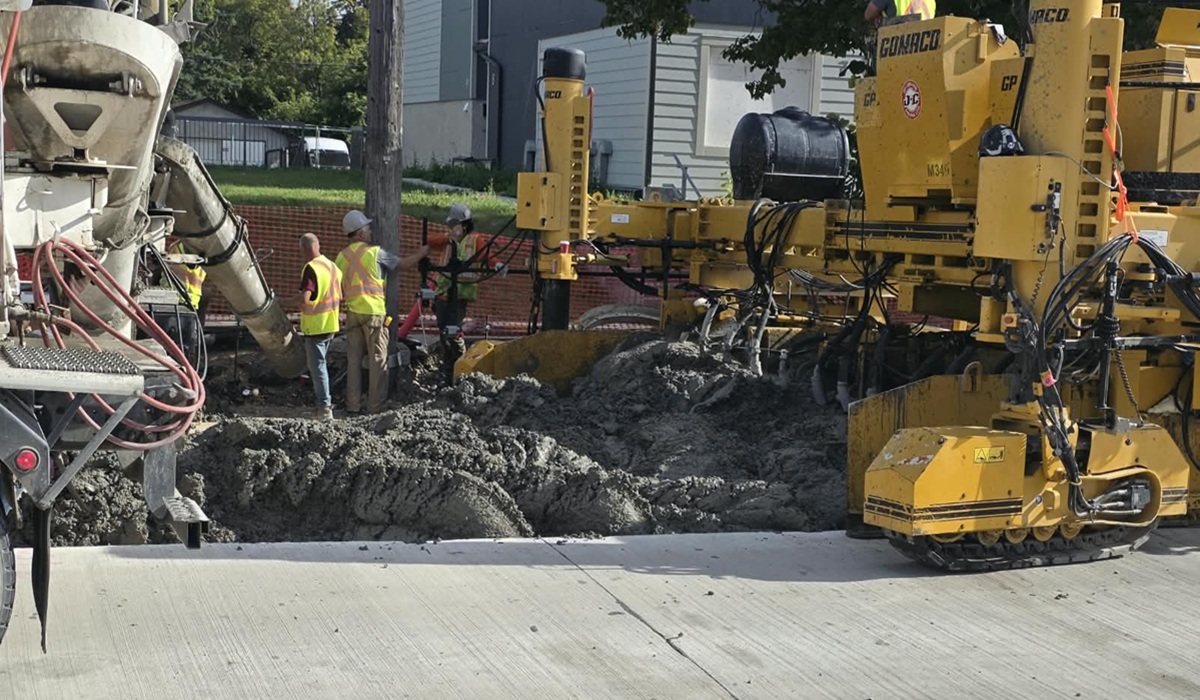
At the heart of this plan is a common-sense approach to recycling old gravel, concrete, and asphalt. Whenever the city digs up a street, a sidewalk, or a parking lot, it digs up massive quantities of heavy stone and pavement known as aggregate. In the past, the city often paid outside contractors to haul this debris away, only to buy brand-new rock and gravel back at high market prices for the next repair job. Under this new policy, the city would collect, crush, and clean that old gravel and pavement itself, turning everyday construction waste back into fresh building material ready for the next project.
The reason this matters so much to everyday taxpayers comes down to a projected $50 million in savings. Buying brand-new construction aggregate and paying private companies to haul away old debris costs a fortune year after year. By setting up a city-run recycling yard, Winnipeg can stop paying private markups on materials it already owns. Saving $50 million means that money is no longer wasted on unnecessary processing fees, freeing up vital public funds to fix potholes, upgrade community centers, and invest in better neighborhood services.
Looking at the bigger picture, recycling our old gravel is a major win for the local environment. Mining and hauling brand-new stone from distant quarries consumes heavy machinery, chews up natural landscapes, and burns through thousands of gallons of fossil fuel, creating unnecessary carbon emissions. Reusing our own pavement right here in the city drastically cuts down on pollution and saves natural habitats from being torn up. It proves that protecting the environment doesn’t have to mean raising taxes or adding costly red tape; sometimes, the greenest choice is simply the most practical one.
Ultimately, this policy represents a shift toward smarter, more accountable local government. When a city stops throwing away valuable resources and starts managing its own materials efficiently, everyone benefits. Reclaiming millions of dollars through something as straightforward as recycling old gravel shows that good environmental stewardship and responsible financial management go hand in hand, building a stronger and more affordable city for everyone.
About The Author