Woman Calls Out Black Men Over “Snow Bunny” Label While Wearing Cornrows
- Emma Ansah
- U.S.A
- September 4, 2026
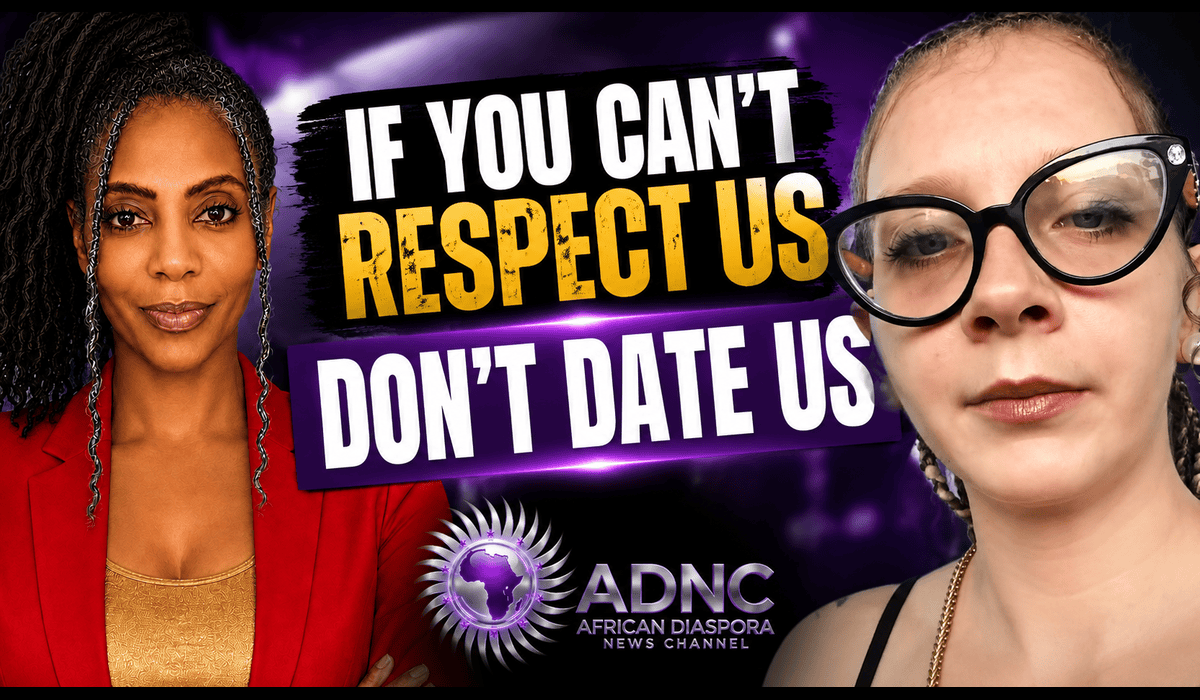
A white woman is calling out Black men over the term “snow bunny,” saying Black men are the only men she hears using the label to describe white women who date Black men. Her message is simple: if Black men are going to date white women while using language about them that they consider disrespectful, then perhaps they should simply stop dating them.
She has every right to decide what she considers disrespectful and to tell people how she expects to be addressed. But there is another layer to this conversation that is difficult to ignore, because she delivered that message while wearing cornrows, a hairstyle deeply rooted in African and Black history.
Cornrows are much more than a hairstyle or the latest beauty trend. African braiding traditions stretch back centuries and have carried cultural, social and practical significance, while oral histories from parts of the African diaspora tell stories of braids being connected to survival during slavery, including patterns used to communicate information or escape routes and rice, seeds or other small resources being concealed in hair.
Some of the specific stories about cornrows serving as literal maps are rooted primarily in oral tradition rather than extensive written documentation, but the broader history should not be dismissed. For generations of Black people, African hairstyles represented culture, identity, resistance and survival while Black people were simultaneously punished, mocked and discriminated against for wearing those very styles.
That is what makes the visual of a white woman wearing cornrows while lecturing Black men about respect especially complicated. If respect is going to be the foundation of interracial relationships, then that respect cannot begin and end with what Black men call white women; it should also include understanding and respecting the history, experiences and culture of the Black people whose hairstyles, music, language and traditions are so often embraced by mainstream society.
There is also some hypocrisy in discussing offensive labels without acknowledging what Black people have been called for centuries. Black men, women and children have endured racial slurs, animal comparisons, degrading stereotypes and dehumanizing names designed to portray us as inferior, dangerous, unintelligent, hypersexual and less deserving of basic human dignity.
None of that means white women should accept being called something they find offensive, because disrespect does not become acceptable simply because another group has experienced worse. However, if we are going to have a serious conversation about respect, then we cannot pretend that the historical power and consequences behind racial language suddenly disappear when the conversation becomes uncomfortable.
Her message to Black men is that if you cannot respect white women, then stop dating them, and perhaps there is something worth hearing in that statement. At the same time, anyone choosing to enter Black spaces, date Black people and participate in Black culture should understand that respect works both ways, particularly when you are wearing a hairstyle connected to the history and survival of the very people you are calling out.
The conversation should therefore be bigger than whether the term “snow bunny” is offensive. It should be about what genuine respect looks like across racial and cultural lines, because if we are demanding respect from one another, then everybody needs to bring some to the table.
Watch the report: https://www.youtube.com/live/3UdDtv4fCbU?si=O12esZSDjGTVYMoM
About The Author