A Shadow Over the Pitch: Why the World Cup Remains Football’s Most Profitable Illusion
- TDS News
- Sports
- July 19, 2026
By: Donovan Martin Sr, Editor in Chief
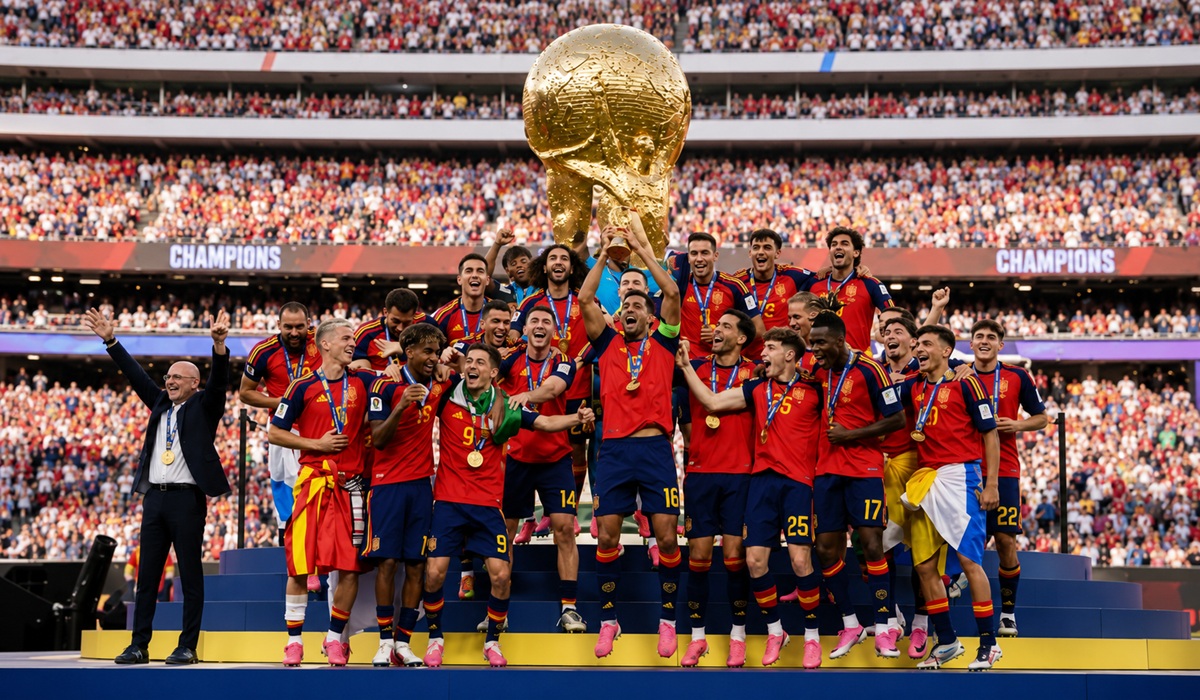
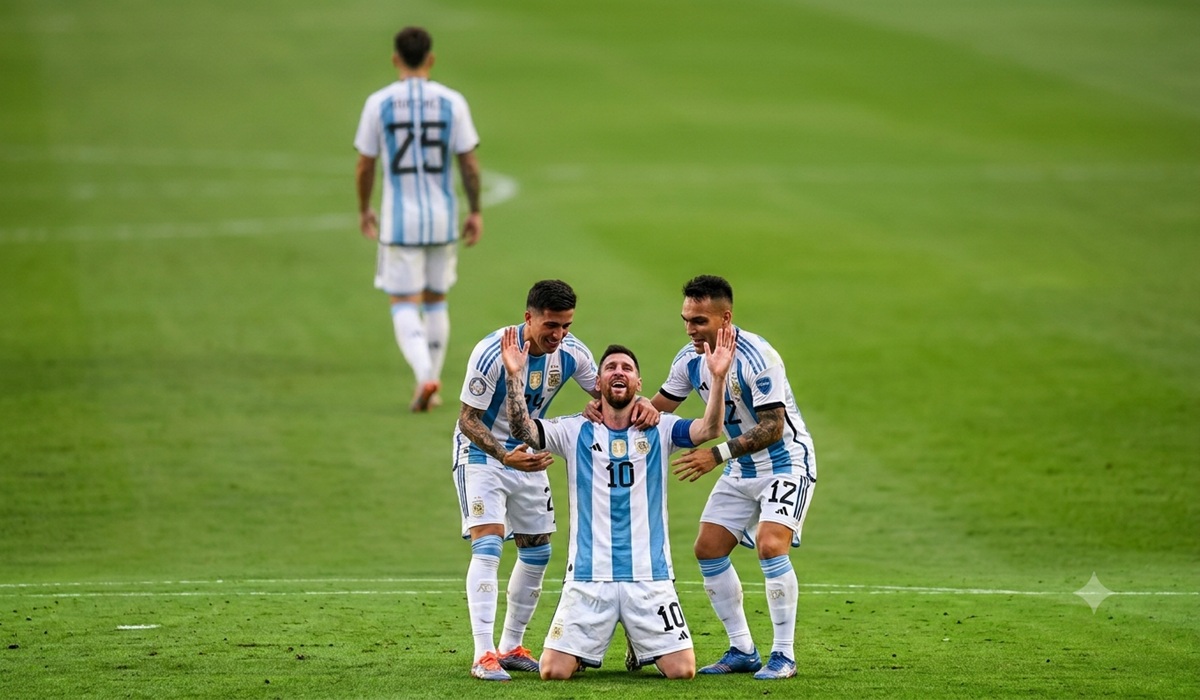
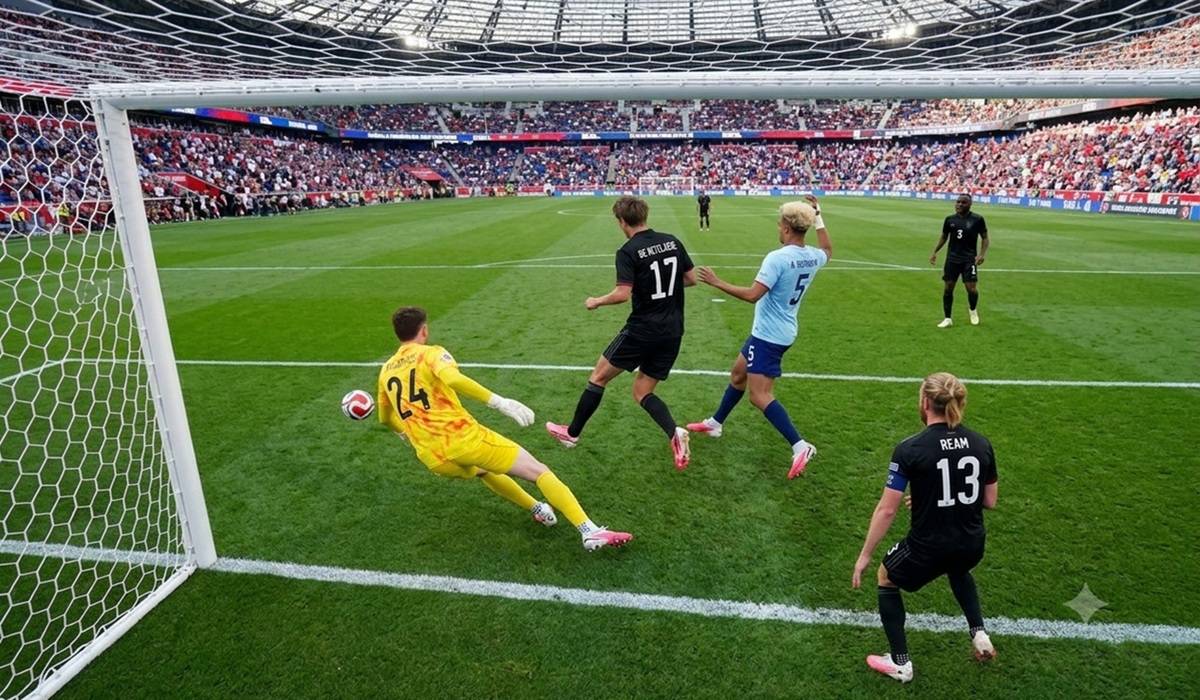
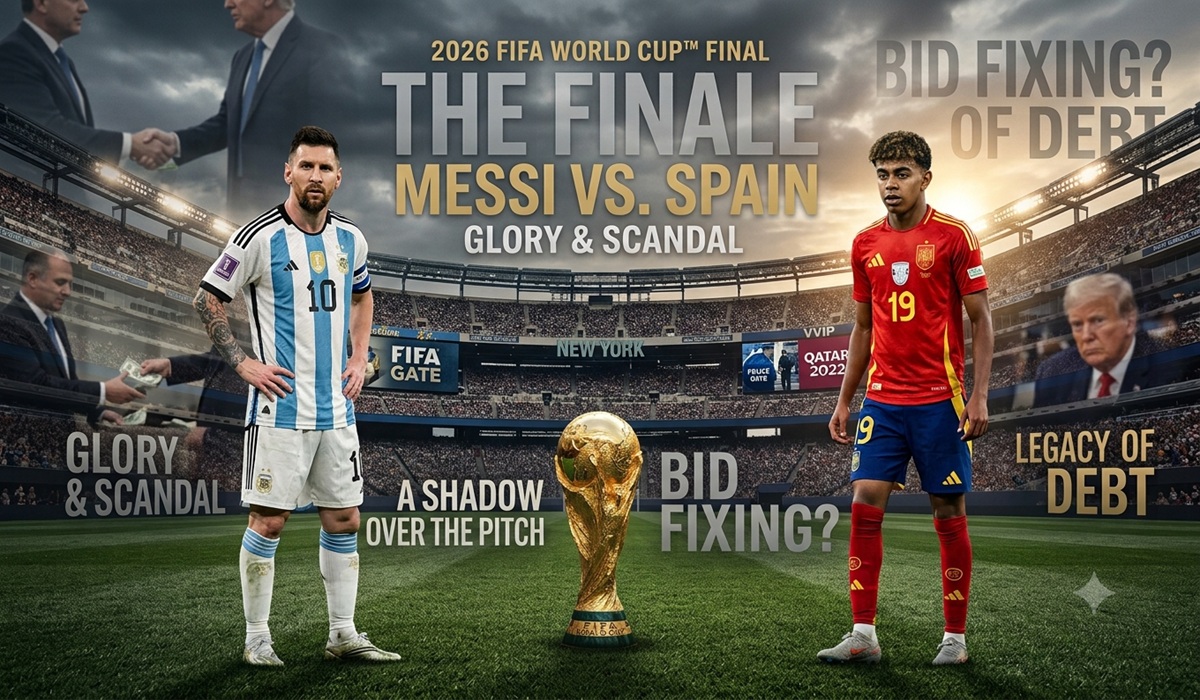
The 2026 FIFA World Cup reaches its absolute climax today at the New York New Jersey Stadium as defending champions Argentina face off against the tactical powerhouse of Spain in a historic final matchup. On paper, the fixture offers the ultimate footballing narrative, marking the first time the world’s top two ranked national teams meet in the final since the inception of the official global ranking system. The match sets the stage for Lionel Messi’s pursuit of back-to-back global crowns against a youthful Spanish side carrying an unprecedented 37-game unbeaten streak into this final match. Yet, beneath the glittering narrative of sporting excellence on the pitch, this tournament has been heavily criticized by international observers as one of the most structurally compromised in modern sporting memory.
The dramatic path to the final for Argentina has been defined by high-wire survival acts, culminating in an emotional comeback victory over England in the semifinals, while Spain advanced with immaculate tactical precision, conceding only a single goal across the entire tournament. However, the narrative of Argentinian resilience has been heavily tarnished by fierce refereeing controversies throughout the knockout rounds. Journalists and opposing fans point to blatant missed calls that appeared systematically tailored to keep the tournament’s most lucrative and high-profile star in the global spotlight.
From an unpunished physical altercation involving Messi to missed disciplinary sanctions during critical matches, the perception of organizational favoritism grew severe enough to spark mass public petitions demanding independent investigations into biased officiating. Skepticism deepened further across the footballing community following reports that Argentina consistently received its preferred refereeing assignments. Compounding the controversy on the pitch is the heavy politicization of the tournament’s backdrop in the United States.
FIFA President Gianni Infantino’s highly publicized efforts to ingratiate himself with US President Donald Trump drew scathing criticism from international sports journalists. Critics argue that FIFA leadership engaged in a Faustian bargain, trading the sport’s regulatory credibility for political proximity and domestic policy favors. Trump has leaned heavily into the global spectacle, holding high-profile pre-final events in New York to praise Messi’s brilliance and publicly critique the team tactics of competitors, effectively transforming the world’s game into a tool for domestic political theater.
To understand why the 2026 tournament feels so compromised, international analysts look to the long blueprint of FIFA’s historical operation, noting that this is not a sudden lapse in ethics but rather the continuation of a decades-long institutional norm where bids are routinely bought, television rights are fixed, and executive votes are treated as currency. The simultaneous awarding of the 2018 and 2022 World Cups to Russia and Qatar remains the most flagrant display of bid-rigging in modern sports history, where astronomical development funds and geopolitical energy deals exchanged hands to secure votes, ultimately triggering federal criminal investigations.
The infamous 2015 FIFA Gate dawn raid at the Baur au Lac hotel in Zurich exposed systemic, multi-generational racketeering that led to US Department of Justice indictments against high-ranking executives for accepting over 150 million dollars in bribes and kickbacks. This legacy of institutional rot dates back even further, with historic precedents of FIFA allowing authoritarian regimes to co-opt the tournament for political legitimacy, including Benito Mussolini’s fascist Italy in 1934 and Argentina’s brutal military junta in 1978.
The recurring irony of the World Cup remains the fact that despite systemic corruption, astronomical infrastructure costs, and the absolute guarantee of severe national debt, sovereign nations continue to line up for decades for the privilege of hosting the event. When stripping away the immediate public anger over specific bad calls or political optics, an objective analysis reveals that the true problem lies within three core systemic elements.
First, the World Cup operates as a monopoly of geopolitical capital because hosting the tournament buys instant international legitimacy, rapid infrastructure acceleration, and soft power that traditional diplomacy cannot achieve. Because FIFA holds a strict monopoly on this specific asset, it possesses the leverage to demand total legal immunity, sweeping tax exemptions, and astronomical stadium standards from hosts, knowing the global demand will never diminish.
Second, the financial architecture of the World Cup features a complete separation of risk and reward, allowing FIFA to extract nearly all the commercial revenue from broadcasting rights, global corporate sponsorships, and ticket sales while leaving the host country’s taxpayers to absorb 100 percent of the long-term financial liabilities. Because the politicians who bid for the games are rarely the ones who must pay off the 30-year stadium bonds, the incentive structure completely favors short-term political vanity over long-term fiscal responsibility.
Finally, the problem persists due to the decoupling of passion and governance, driven by football’s unparalleled emotional monopoly over billions of people worldwide. FIFA operates with functional impunity because the global audience will ultimately compartmentalize their disgust with the executive suite to watch the magic on the pitch. The organization has engineered a system where corruption remains profitable, the financial risks are socialized onto regular citizens, and the global demand for the spectacle ensures that the house always wins.
About The Author