How Sheikh Hamad bin Khalifa Al Thani Transformed Qatar into a Global Powerhouse?
- Naveed Aman Khan
- Pinpoint
- July 15, 2026
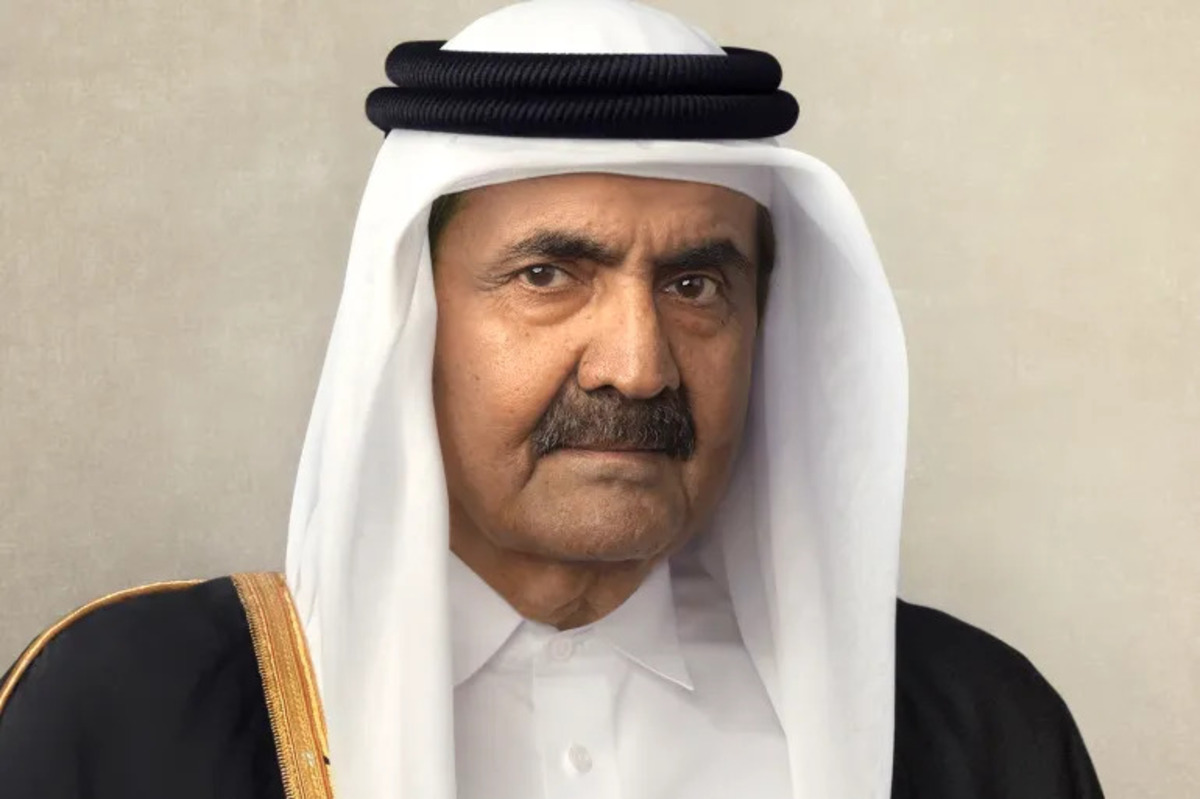
The passing of former Emir of Qatar, Sheikh Hamad bin Khalifa Al Thani, marks the end of an influential chapter in the modern history of the Gulf region. His legacy is deeply intertwined with Qatar’s transformation from a relatively small Gulf state dependent mainly on energy revenues into an internationally recognized economic, diplomatic, and strategic player. During his rule from 1995 to 2013, Sheikh Hamad reshaped Qatar’s domestic institutions, expanded its global influence, and laid the foundations for the ambitious nation it is today.
When Sheikh Hamad assumed power in 1995 after a peaceful transition of leadership, Qatar was a country with enormous natural gas reserves but limited global visibility. He recognized that the country’s future depended not only on exploiting its energy resources but also on building strong institutions, investing in human development, and creating an international identity that would give Qatar influence beyond its geographic size.
One of his greatest achievements was the strategic development of Qatar’s natural gas sector. Under his leadership, Qatar accelerated the exploration and production of its massive North Field gas reserves, which became the foundation of its economic rise. Through partnerships with major international energy companies, Qatar emerged as one of the world’s leading exporters of liquefied natural gas (LNG). The revenues generated from this sector allowed the country to invest heavily in infrastructure, education, healthcare, technology, and global investments.
Sheikh Hamad understood that Qatar’s wealth had to be converted into long-term national strength. His government established major development institutions and encouraged economic diversification. The creation of entities such as Qatar Investment Authority enabled the country to invest its energy revenues globally, acquiring strategic assets in international markets and strengthening Qatar’s financial position.
Politically, Sheikh Hamad introduced significant reforms aimed at modernizing Qatar’s governance system. In 2003, Qatar adopted a new constitution that strengthened the role of institutions and introduced provisions for greater public participation. Although Qatar remained a hereditary monarchy, his leadership brought administrative reforms and modernization of state structures.
One of Sheikh Hamad’s most significant contributions was his vision for Qatar as a diplomatic mediator. He believed that a small country could gain international relevance through active diplomacy rather than military power. Under his leadership, Doha became a center for international negotiations and political dialogue.
Qatar played a notable role in regional mediation efforts during his rule. Sheikh Hamad’s government attempted to facilitate dialogue in conflicts including Lebanon, Sudan, Yemen, and Palestine. The 2008 Doha Agreement, which helped resolve Lebanon’s political crisis, was considered a major diplomatic achievement. Qatar also hosted negotiations between different Afghan factions and sought to position itself as a bridge between conflicting sides.
His diplomatic approach was based on maintaining relationships with diverse global actors. Qatar developed close strategic ties with the United States while simultaneously maintaining communication channels with regional powers. Doha’s partnership with Washington strengthened significantly, particularly through the expansion of Al Udeid Air Base, which became one of the most important American military facilities in the Middle East.
At the same time, Sheikh Hamad maintained relations with countries such as Iran, Saudi Arabia, Turkey, and European nations. His foreign policy reflected an attempt to balance Qatar’s interests in a complicated regional environment where competing geopolitical forces often collided.
A landmark achievement of Sheikh Hamad’s era was the establishment of Al Jazeera, the satellite television network launched in 1996. The channel transformed the Arab media landscape by introducing a new style of political journalism and giving Qatar unprecedented global visibility. While Al Jazeera generated controversy in some countries, it became one of the most influential media organizations in the Arab world and enhanced Qatar’s soft power.
Sheikh Hamad also invested heavily in education and knowledge-based development. The establishment of Education City in Doha brought branches of leading international universities to Qatar and reflected his belief that the country’s future depended on building a skilled and innovative generation. His government promoted scientific research, technology, and cultural development as pillars of national progress. Internationally, Sheikh Hamad strengthened Qatar’s relations with major world leaders. His engagement with successive American presidents, including Bill Clinton, George W. Bush, and Barack Obama, helped deepen strategic cooperation between Doha and Washington. Qatar also expanded ties with European leaders, Asian economic powers, and emerging markets.
His relationship with Turkey became particularly important, as Qatar and Turkey developed close political and economic cooperation that continued after his reign. Similarly, Qatar maintained economic partnerships with China, Japan, South Korea, and other Asian nations, especially in the energy sector.
The decision to host the 2022 FIFA World Cup was another historic milestone rooted in Sheikh Hamad’s vision. Although the tournament took place after he left office, the bid and preparations began during his leadership. Winning the right to host the world’s biggest sporting event represented Qatar’s ambition to become a global destination and demonstrated the effectiveness of his strategy of combining economic resources with international engagement.
However, Sheikh Hamad’s rule was not without criticism. Qatar’s rapid rise generated debates regarding political reforms, labor rights, and the balance between economic modernization and social change. Some observers questioned aspects of its foreign policy, particularly its engagement with various regional actors. Nevertheless, even critics acknowledge that he fundamentally changed Qatar’s position in international affairs.
His leadership also faced regional challenges, including tensions with neighboring Gulf states. The diplomatic crisis that later emerged between Qatar and some Arab countries occurred after his reign, but many of the foreign policy choices made during his leadership shaped Qatar’s regional role and strategic identity. The decision to transfer power to his son, Sheikh Tamim bin Hamad Al Thani, in 2013 was another significant moment. The smooth transition reflected the institutional confidence and continuity that Sheikh Hamad had worked to establish.
The historical assessment of Sheikh Hamad bin Khalifa Al Thani will likely focus on one central theme: transformation. He inherited a small Gulf state and left behind a country with global influence, a powerful economy, a sophisticated diplomatic network, and ambitions far beyond its size. His greatest achievement was not merely the accumulation of wealth from natural gas; it was his ability to use that wealth to build national confidence and international relevance. Sheikh Hamad’s Qatar became an example of how strategic leadership, economic vision, and active diplomacy can allow a small state to play a major role in world affairs.
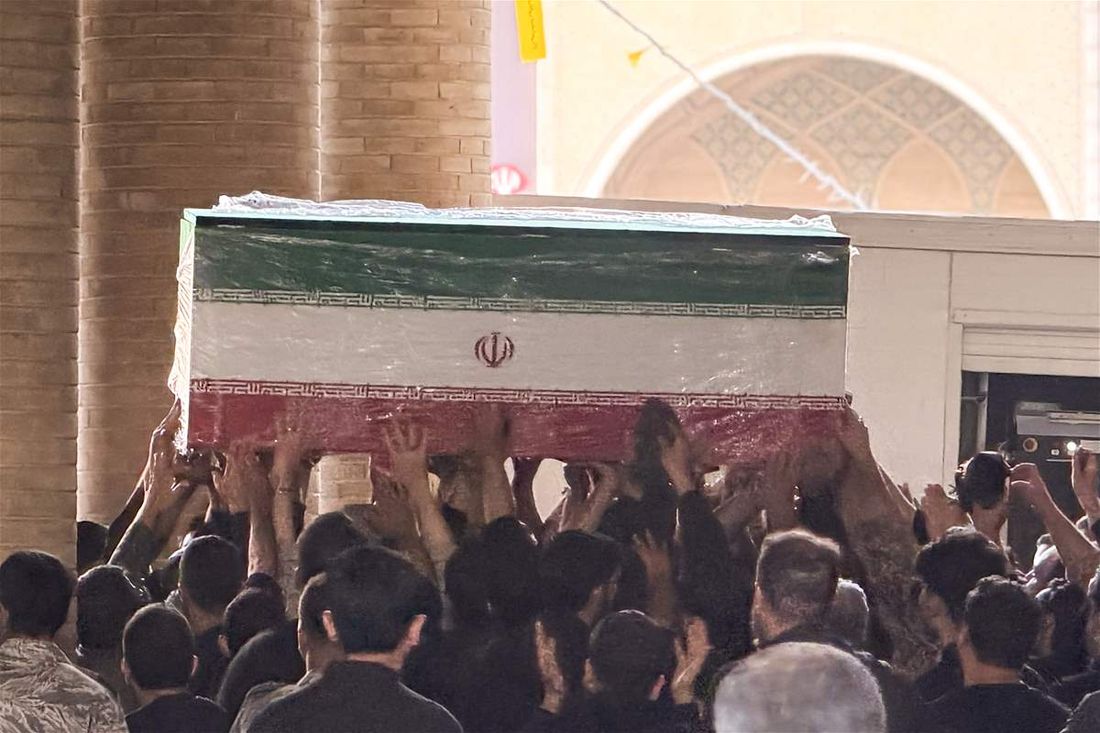
As Qatar mourns the loss of a former ruler who changed its destiny, Sheikh Hamad’s legacy will remain connected with the emergence of modern Qatar — a nation that moved from the margins of global politics to the center of international diplomacy and economic influence. His era will be remembered as a period of extraordinary transformation that permanently altered the trajectory of the Gulf state.
About The Author