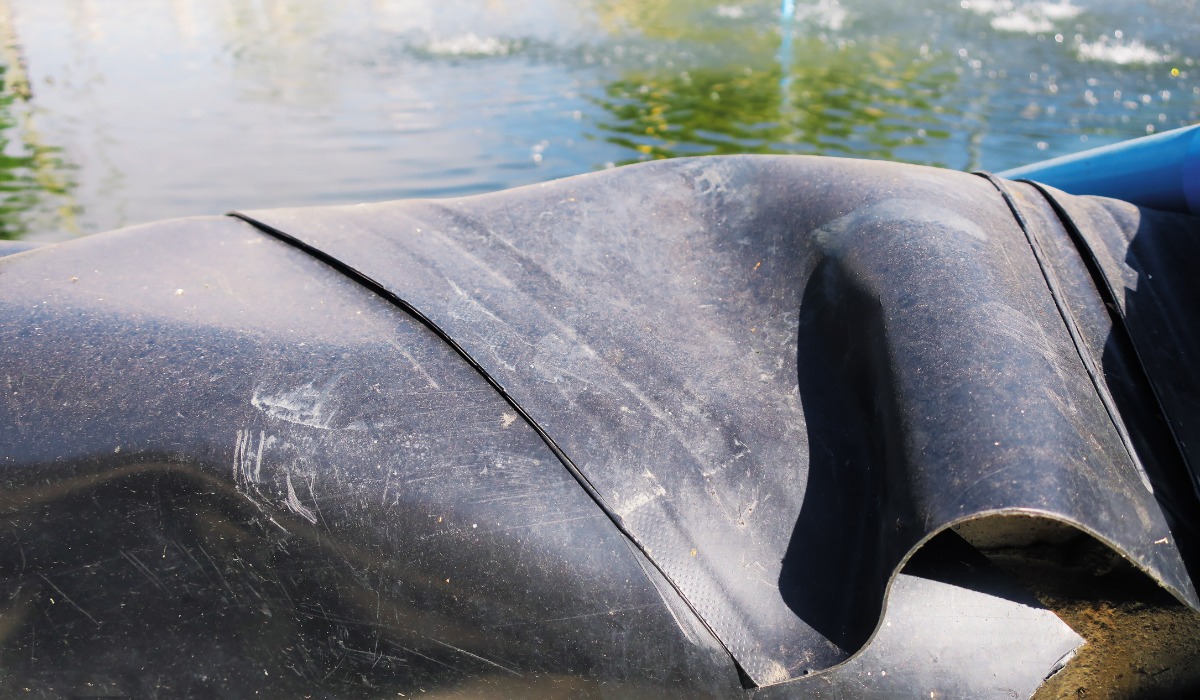
A pond liner should support years of clear water, healthy plants, and reliable water retention. Yet some liners develop leaks, wrinkles, weak spots, or tears long before owners expect trouble. Premature failure rarely starts with one dramatic event. Small installation mistakes, poor material choices, rough ground, and neglected maintenance often combine until the liner can no longer hold water.
Pond owners can prevent many problems through careful planning. When you understand what damages pond liners, you can avoid costly repairs and protect the entire pond system.
Every pond has different demands. A shallow decorative pond, a large koi pond, and a farm pond all require different levels of strength, flexibility, and resistance. Some owners choose thinner material because it costs less, but that decision often leads to higher repair expenses later.
Thin liners can stretch, puncture, or split under pressure. Low-quality materials may also struggle with temperature changes, sunlight, roots, and heavy stones. Before you buy, consider the pond size, depth, shape, climate, soil conditions, and intended use. You should invest in a durable pond liner that fits the project instead of forcing a cheaper product to handle conditions beyond its design.
A liner needs a smooth and stable surface. Sharp stones, broken roots, construction debris, and compacted soil can press against the material from below. Water adds constant weight, so even a small object can puncture the liner over time.
Many failures begin when installers rush excavation. They remove obvious rocks but overlook smaller fragments that can shift after heavy rain, frost, or ground movement.
Remove rocks, roots, sticks, glass, metal, and other debris from the entire basin. Shape shelves and walls smoothly, and pack loose soil without creating hard points.
Underlayment creates a protective barrier between the soil and the liner. Without that layer, the liner faces direct contact with roots, stones, and shifting ground. Some pond owners skip underlayment to reduce costs, but that choice leaves the liner vulnerable from the first day.
Quality underlayment cushions the liner and spreads pressure across a wider area. Geotextile fabric works well for many ponds because it resists rot and provides consistent support.
A liner needs enough material to cover the pond floor, walls, shelves, and edges without strain. An undersized liner forces installers to stretch the material or pull it tightly across corners. That tension creates weak spots and raises the risk of tearing.
Measure the maximum length, width, and depth before ordering. Add enough material for both sides and include extra overlap around the perimeter. Curves, planting shelves, and irregular shapes consume more liner than many owners expect.
Never rely on a rough visual estimate. A liner may look large enough on flat ground but fall short once it follows the full pond contour.
Even a strong liner can fail after rough handling. Installers may drag it across soil, step on it with dirty boots, or place heavy rocks on folded sections. Each mistake can scrape, pinch, or puncture the surface.
Lay the material gently and allow it to settle into the pond shape. Smooth major folds without pulling the liner tight.
Add water gradually during installation. As the level rises, adjust the liner and release trapped tension. Let the weight of the water guide the material into place instead of forcing it into corners.
Rocks, gravel, edging blocks, and decorative features can damage a liner when installers place them carelessly. A sharp rock may puncture the surface, while a heavy boulder may trap the material against a hard point.
Inspect every rock before placement. Remove sharp points or choose smoother alternatives. Place protective fabric beneath large stones and build stable bases so decorative materials don’t shift after storms or seasonal movement.
Sunlight, foot traffic, lawn equipment, and animals can damage exposed liner around the pond perimeter. Ultraviolet light weakens some materials, while trimmers and mowers can cut an unprotected edge in seconds.
Secure the perimeter with suitable edging. Stones, pavers, soil, and planting beds can cover the liner while creating a finished appearance. Leave enough slack for minor ground movement, but prevent large loose sections.
Check the edge after heavy rain and winter weather. Soil can wash away and reveal material that once had full coverage.
Roots can create pressure beneath and around a pond liner. Large tree roots may lift the pond base, distort shelves, or push sharp points against the material. Aggressive aquatic plants can also spread into weak seams or damaged areas.
Study the surrounding landscape before excavation. Avoid placing the pond too close to large trees with expanding root systems. Remove smaller roots from the basin and monitor nearby growth each season.
Choose pond plants carefully and place invasive varieties in sturdy containers. Keep vigorous plants away from vulnerable edges and folds.
Wildlife, pets, and pond fish can damage a liner or disturb its support. Birds may puncture shallow areas with sharp feet or beaks. Dogs may scratch exposed edges. Rodents can tunnel beneath the pond and weaken the soil.
Water also places constant pressure on the liner and surrounding ground. Poorly shaped walls, unstable shelves, and loose backfill can shift under that load. Uneven settling may stretch the liner or create sharp folds.
Use stable edging, protect shallow shelves, and repair animal tunnels quickly. Careful excavation and compact support help the pond resist settling.
Bottom drains, skimmers, returns, and waterfalls require openings in the liner. Each opening creates a possible leak point. Poor alignment, loose screws, dirty sealing surfaces, and unsuitable sealants can cause early trouble.
Measure every opening carefully and follow the fitting manufacturer’s instructions. Clean the liner before applying gaskets or sealants. Tighten hardware evenly so the fitting applies consistent pressure.
Don’t cut the liner until the fitting sits in the correct position. Test all connections before you finish the surrounding stonework.
A pond liner still needs attention after installation. Low water levels can expose sections to sunlight. Shifting stones can create pressure points. Plant roots can spread into folds, and debris can hide damage near the edges.
Inspect the pond during routine cleaning. Look for unexplained water loss, exposed liner, loose edging, sharp objects, and changes in the pond shape. Compare water levels after hot days so normal evaporation doesn’t cause unnecessary concern.
Repair small problems quickly. A minor puncture usually requires less work than a hidden leak that drains the pond and damages nearby soil.
Premature pond liner failure often starts with preventable choices. The wrong material, poor excavation, missing underlayment, rushed installation, and weak edge protection can shorten the liner’s life. Roots, animals, plumbing fittings, and shifting soil can add more stress over time.
A successful pond starts with thoughtful planning and careful construction. Choose the right liner, prepare the basin thoroughly, protect every contact point, and inspect the pond regularly. Those steps help the liner hold water reliably while supporting plants, fish, and decorative features.
When you treat the liner as the foundation of the entire pond, you give every other component a stronger start. Careful work now can prevent disruptive leaks and preserve the pond’s beauty for many seasons.
About The Author