Washington Braced For Gridlock and Investigations Following Stunning Midterm Elections
- Xuemei Pal
- U.S.A
- November 13, 2026
WASHINGTON — Ten days after American voters delivered a sweeping midterm rebuke to President Donald Trump and the Republican Party, the political aftershocks are still shaking Washington, reshaping the final two years of his presidency and creating fresh uncertainty for allies around the world.
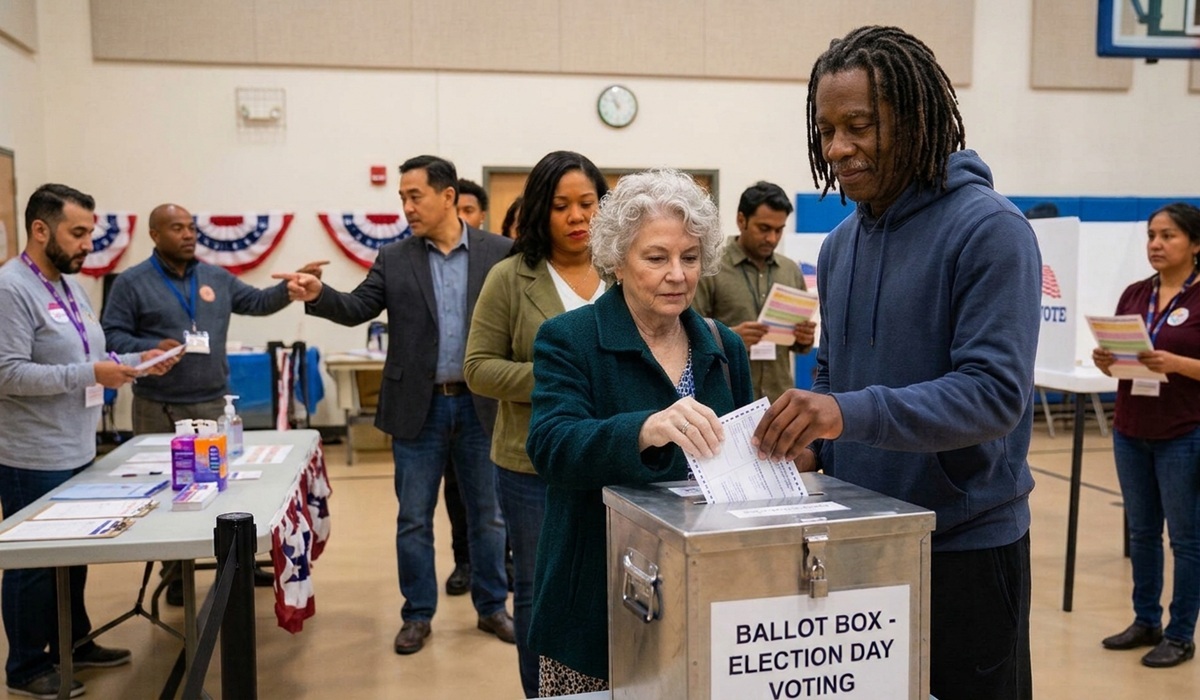
The Nov. 3 elections wiped out unified Republican control of the federal government in what analysts have described as a historic blue wave. Democrats captured commanding majorities in both the House of Representatives and the Senate, flipping at least seven Senate seats across battleground and traditionally conservative states including Texas, Ohio, Iowa, Kansas, North Carolina, South Carolina, and Maine, while picking up more than two dozen House districts and several key governorships. Exit polling from the Associated Press showed voters overwhelmingly driven by frustration over the high cost of living, anger over rising fuel prices tied to the conflict with Iran, and a desire for stronger congressional checks on executive power.
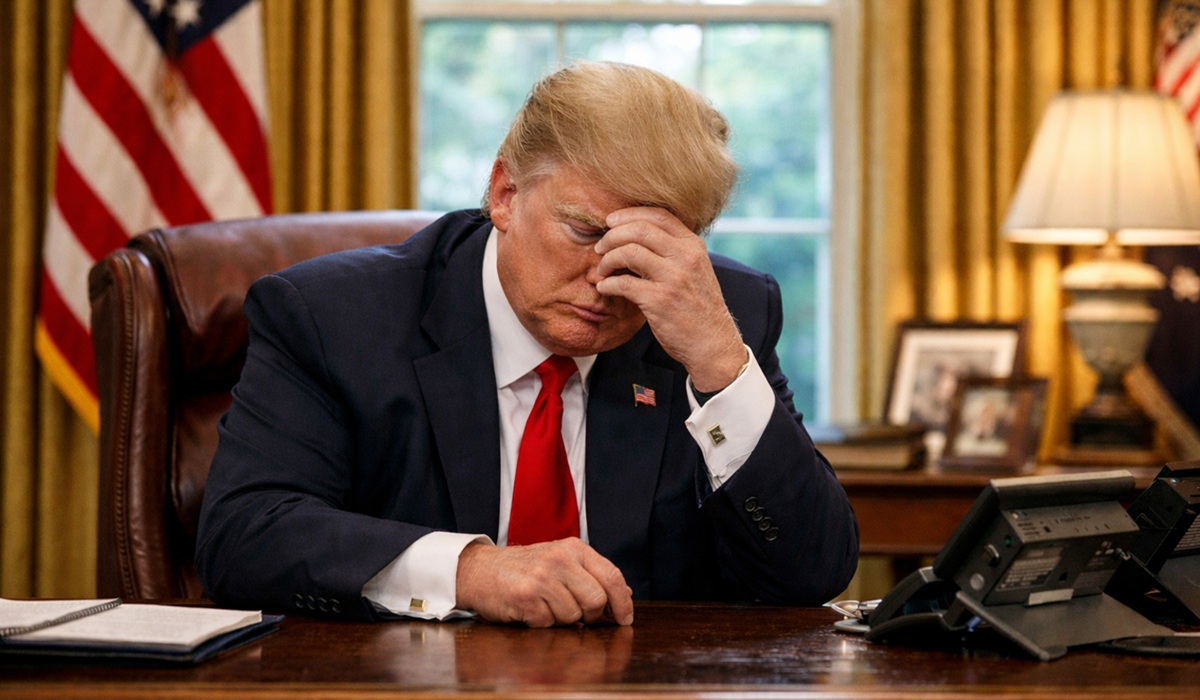
Inside the White House, the reaction to the defeat has hardened into defiance. After initially telling reporters on election night that he was willing to accept the outcome, Trump abruptly reversed course earlier this week, reviving unsubstantiated claims of widespread voting machine fraud. In posts on social media, the president questioned the integrity of the vote and stated he had ordered legal challenges, even though election officials across the country reported smooth operations and legal scholars noted the federal government has no authority to halt state certifications.
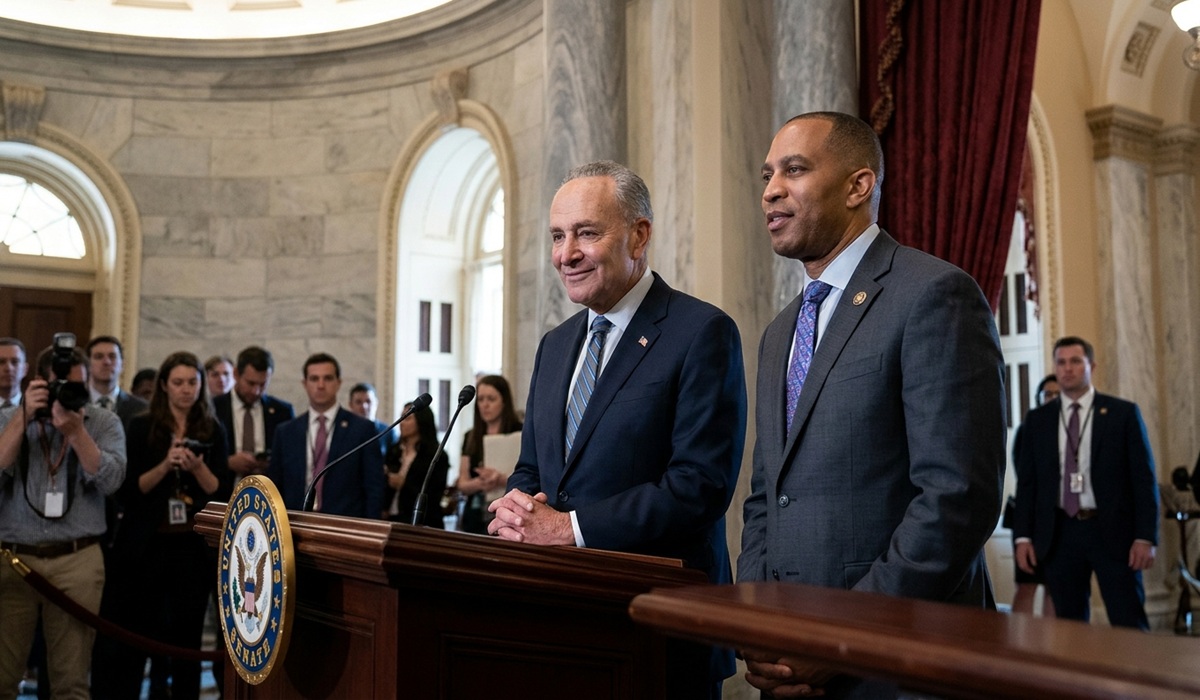
Rather than moderating his approach in response to the electoral losses, Trump has signalled an aggressive posture for his second term’s back half. He tapped longtime hardline adviser Stephen Miller to replace Susie Wiles as White House chief of staff, a move that immediately drew fierce condemnation from congressional Democrats. House Democratic Leader Hakeem Jeffries, who is poised to become the first Black speaker of the House when the new Congress convenes in January, called Miller an “awful choice” and flatly ruled out working with him, warning that Democrats will forcefully resist any effort to escalate mass deportation policies that roughly six in ten midterm voters said had already gone too far.
The staffing shakeup has coincided with visible friction inside the administration itself. On Friday, tensions spilled into public view as Treasury Secretary Scott Bessent faulted Howard Lutnick’s Commerce Department over delays in blacklisting a China-linked data firm, underscoring growing internal strain as the administration adjusts to a dramatically altered political landscape. At the same time, Trump instructed Vice-President JD Vance to step back from pursuing diplomatic negotiations with Iran and instead focus his efforts on investigating alleged corruption and fraud in Democratic-led cities and states.
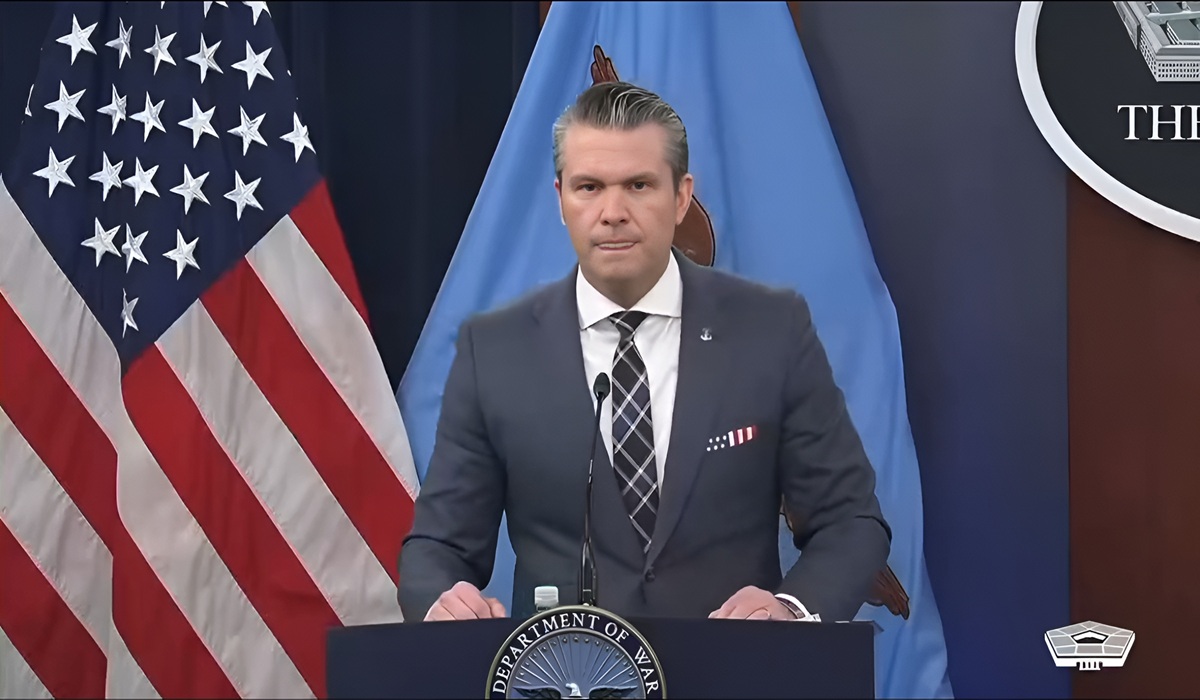
On Capitol Hill, the incoming Democratic majorities are preparing an expansive oversight and investigative offensive that will fundamentally change life for the executive branch starting in January. Rep. Robert Garcia of California, who is slated to chair the powerful House Oversight Committee, has vowed to launch sweeping probes into the administration and the president’s family business dealings, declaring that “the days of us not fighting back are over”. Meanwhile, Jeffries confirmed that House Democrats are actively reviewing a pending resolution introduced by Republican Rep. Thomas Massie of Kentucky to impeach Defence Secretary Pete Hegseth, with Jeffries calling himself a “hard yes” on removing the Pentagon chief. Hegseth dismissed the effort in a video statement as the politics of personal destruction.
Yet the scale of the Democratic victory has also exposed an immediate strategic divide within the party over how to govern. While progressive lawmakers and committee chairs are eager to use subpoena power to hold the administration accountable, newly elected moderates and senior figures are warning against overreach. Sen.-elect Adam Hamilton, who became the first Democrat elected to the U.S. Senate from Kansas in 94 years, cautioned against turning the next two years into an endless impeachment battle, noting he campaigned on lowering temperatures and focusing on practical guardrails. Vermont Sen. Bernie Sanders echoed that warning, reminding colleagues that voters handed Democrats power to ease economic pain for working families, not to spend every waking hour investigating the president. Speaking at a public forum on Friday, Jeffries sought to bridge that gap, outlining an agenda focused on expanding health care access, banning congressional stock trading, and reforming campaign finance rules alongside constitutional oversight.
Across the aisle, Republicans are nursing deep wounds and trading blame over what went wrong. Outgoing Florida Gov. Ron DeSantis described the midterm results as close to an extinction-level event for the party in large swaths of the country, contrasting national losses with Republican holds in his own state. Outgoing North Carolina Rep. Virginia Foxx expressed frustration that party leaders ignored warning signs on the ground while predicting victory. Even so, few congressional Republicans have shown any appetite for breaking openly with Trump, leaving the GOP caught between calls to broaden its appeal and fear of alienating the president’s loyal base ahead of the 2028 presidential race, which has already quietly begun with figures like Texas Sen. Ted Cruz, New Jersey Gov. Chris Christie, and Democratic Sen. Cory Booker positioning themselves for the next cycle.
For Canada, the political earthquake in Washington carries complicated consequences. While Canadian officials and business leaders welcomed the prospect of a Democratic Congress acting as a brake on unpredictable White House policies, Prime Minister Mark Carney and trade observers have cautioned against expecting rapid relief from the tariffs and trade friction that have battered Canadian manufacturing over the past two years. Under American law, the president retains broad executive authority over trade, tariffs, and national security declarations, meaning Trump can continue to drive bilateral trade disputes largely by executive order even with Democrats controlling both chambers of Congress. Former diplomats and political commentators have also warned that a wounded, defiant president facing relentless congressional investigations at home could become even more combative on the international stage.
With two months remaining before the new Congress is sworn in, Washington is entering a volatile transition period. Trump still holds the presidential veto and sweeping executive powers, ensuring that the coming two years will be defined by fierce institutional gridlock, high-profile investigations, and a continuous tug-of-war over the direction of American democracy and economic policy.
About The Author