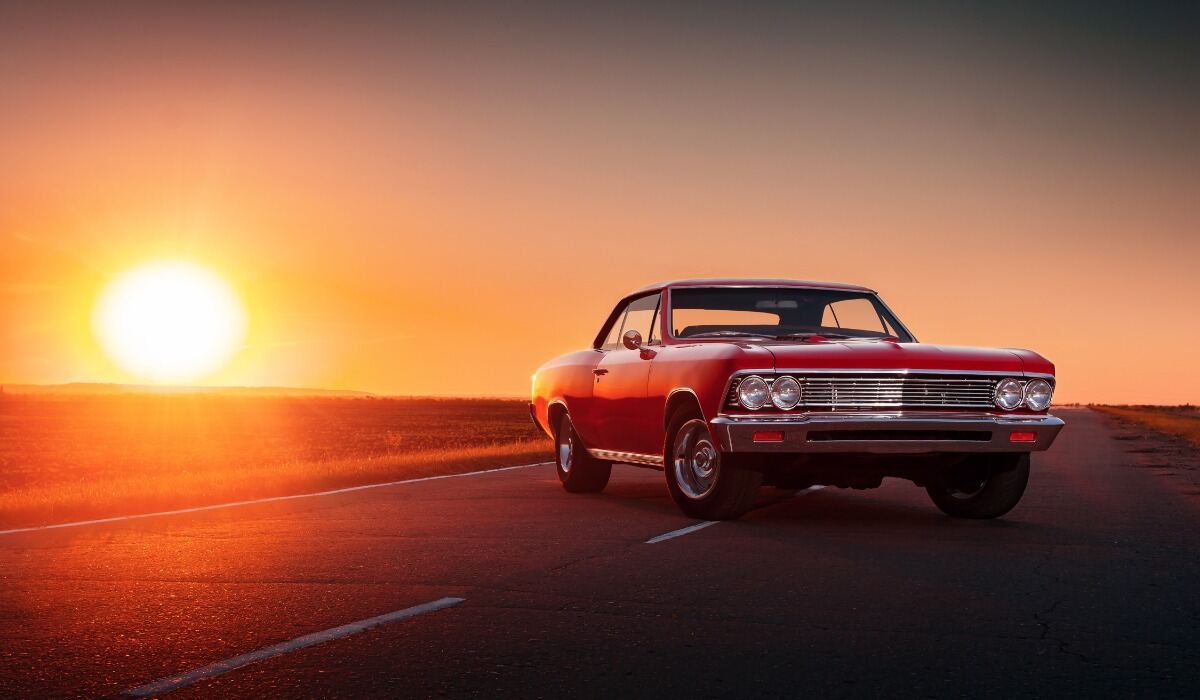
Classic cars deserve more than a parking spot in the garage. They carry decades of automotive history, personal memories, and craftsmanship that newer vehicles can’t quite replicate. Proper storage helps preserve those qualities, especially during extended periods away from the road. These quick tips for storing your classic car at home will help you preserve its condition until your next drive. Browse these tips to learn how to keep your classic intact.
Your garage provides the first layer of protection against environmental damage. A clean, dry, enclosed space shields your classic from direct sunlight, heavy rain, and harsh temperature fluctuations. Even a modest residential garage can serve this purpose with a few adjustments.
Before you park your vehicle, inspect the space for moisture, roof leaks, and poor ventilation. Excess humidity can accelerate rust formation on exposed metal surfaces and damage delicate interior materials. A hygrometer can help you monitor humidity levels throughout the storage period.
Dust, dirt, and clutter can create unnecessary problems around a parked vehicle. Clear enough space to walk comfortably around the car without accidentally bumping its bodywork. Remove nearby chemicals or materials that could spill onto the paint.
Consider placing a moisture-resistant barrier beneath the vehicle if your garage has a concrete floor prone to dampness. This extra precaution can help reduce moisture exposure beneath the chassis. Inspect the barrier periodically to check for trapped water or other moisture concerns.
A classic car should enter storage in excellent cosmetic condition. Road grime, bird droppings, and insect residue can gradually damage paint if left untreated for several months. A careful wash removes these contaminants before they have time to cause trouble.
Use automotive shampoo and soft microfiber towels to clean the exterior. Afterward, dry the body thoroughly, especially around trim pieces and panel seams. Apply a quality automotive wax for another layer of paint protection.
Your classic’s cabin deserves just as much attention as its exterior. Vacuum the carpets, wipe down the dashboard, and remove any food wrappers or forgotten belongings. Small crumbs can attract pests, and trapped moisture may encourage mildew.
Leather seats benefit from an appropriate conditioner before extended storage. For vinyl surfaces, choose a product designed for that specific material. Leave the interior completely dry before you close the doors.
Tires can develop flat spots when a vehicle remains stationary for a long period. The weight of the car presses against the same section of rubber, potentially creating temporary or persistent deformation. Older tires may face additional concerns due to age-related deterioration.
Check tire pressure before storage and follow the vehicle or tire manufacturer’s recommendations. Don’t inflate beyond the tire’s rated limits. If your classic will remain parked for several months, consider tire cradles designed to distribute weight across a larger contact area.
For particularly lengthy storage, some owners use properly rated jack stands to relieve tire loads. This approach requires care because certain suspension designs shouldn’t remain fully extended for extended periods. Consult the vehicle’s service manual or a classic-car specialist before lifting the chassis.
If you prefer to leave the car on its wheels, periodically inspect the tires for cracks and pressure loss. A little attention now can prevent an unpleasant surprise when driving season returns. Check the tread and sidewalls before your first trip back on the road.
Fuel can deteriorate during prolonged storage, particularly when a classic sits unused for several months. As gasoline ages, its chemical composition changes, potentially leaving deposits that interfere with proper fuel delivery. Ethanol-blended gasoline can also introduce moisture-related concerns under certain conditions.
For many gasoline-powered classics, a fuel stabilizer can help preserve fuel quality during storage. Choose a product compatible with your fuel system and follow its instructions carefully. Run the engine long enough to circulate treated fuel before you park the vehicle for the season.
Older fuel hoses and seals deserve a close inspection before the vehicle sits idle. Look for cracks, damp connections, or noticeable gasoline odors. Address suspected leaks before storage rather than postponing repairs.
For exceptionally long storage periods, consult a specialist about the best fuel preparation method for your particular vehicle. Carbureted classics and fuel-injected models may require different approaches. Your vehicle’s age, fuel system design, and expected storage duration can influence the appropriate method.
A disconnected or neglected battery can lose its charge during extended periods of inactivity. Once discharged, certain batteries may suffer permanent damage, especially in colder environments. Basic precautions can help preserve battery life.
A compatible battery maintainer provides controlled charging during storage. Unlike a conventional charger, a suitable maintainer monitors battery voltage and adjusts its output as needed. Select a model appropriate for your battery’s chemistry and electrical specifications.
If you remove the battery, store it according to the manufacturer’s instructions in a dry, suitable location. Keep its terminals clean, and inspect the case for damage before reinstalling it. Check the battery’s condition before your classic returns to regular use.
Classic vehicles depend on healthy fluids to protect their internal components. Before storage, inspect the engine oil, coolant, brake fluid, and transmission fluid. Any existing leaks deserve attention before they become larger problems.
An oil change before extended storage may be worthwhile, particularly if the existing oil contains accumulated contaminants. Fresh oil helps reduce prolonged exposure to combustion byproducts inside the engine. Follow the maintenance recommendations appropriate for your classic’s engine design.
The best quick tips for storing your classic car at home come down to preparation, consistency, and attention to detail. Your classic deserves that care, even during months when it never leaves the driveway. Before your next driving season, inspect the tires, check fluid levels, and confirm that the brakes operate correctly. If your classic needs tire attention before or after storage, find out how to choose wheels that fit your classic car and pick up a great set today.
About The Author