An outdoor space often starts with a vision. You might picture a shaded patio for quiet mornings, a comfortable dining area for weekend gatherings, or a backyard that feels more finished. Yet the materials behind that vision play a larger role than many homeowners initially expect.
Every surface and structural element influences how an outdoor area looks and performs over time. Climate, maintenance expectations, daily use, and architectural style all affect which materials make sense. Careful material choices make your outdoor space feel intentional rather than assembled from whatever looked appealing at the store.
A beautiful material can quickly lose its appeal if it cannot handle its environment. Wood may offer natural warmth, for example, but moisture and intense sunlight can change its appearance without proper care. Metal handles different challenges, while stone brings its own considerations regarding weight and temperature.
The strongest outdoor designs balance appearance with practical performance. Instead of choosing materials based entirely on color or texture, homeowners should consider how those materials will behave after years of weather exposure. That perspective can prevent expensive changes and help the entire space age more gracefully.
Climate provides one of the clearest starting points for material decisions. Outdoor surfaces experience direct sunlight, temperature swings, rain, wind, and sometimes freezing conditions. Unlike interior finishes, they cannot rely on a controlled environment to protect their appearance or structural integrity.
Sun exposure deserves particular attention because ultraviolet radiation can fade certain finishes and dry out natural materials. Dark surfaces can also absorb considerable heat, which may make patios or seating areas uncomfortable during warm afternoons. Material color and composition therefore influence comfort as much as visual design.
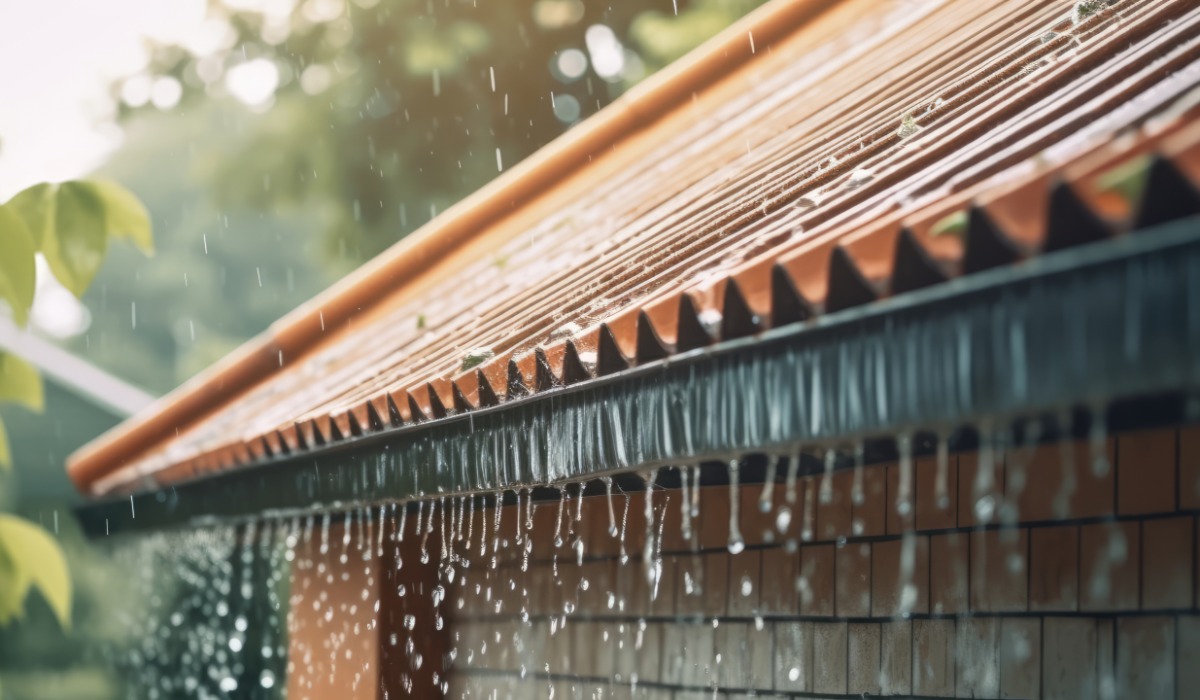
Moisture creates another concern, especially around decks, patios, pools, and covered structures where water can collect. Moisture creates another concern, especially around these structures where water can collect. Good drainage and thoughtful installation also help materials perform as intended.
These environmental pressures make durability an important part of design rather than an afterthought. A homeowner might love the appearance of a particular material, but frequent refinishing or repairs can quickly change that relationship. Long-term satisfaction often comes from choosing an option that suits both the desired look and the local conditions.
Wood remains popular because it introduces warmth that manufactured materials sometimes struggle to imitate. Its grain patterns and natural variations work particularly well in landscapes where homeowners want structures to blend with trees, gardens, and other organic surroundings. Wood can make a large patio or pergola feel softer and more inviting.
However, different wood species perform differently outdoors. Some naturally tolerate moisture and insects better than others, while certain options require more frequent sealing or staining. Homeowners who appreciate the evolving character of natural wood may welcome that maintenance, while others may prefer materials that keep a more consistent appearance.
Composite products offer an alternative for people who like the general appearance of wood but want different maintenance requirements. Manufacturers design many modern composites to resist fading and common forms of deterioration. Their consistency can also support contemporary designs where clean lines matter more than natural variation.
Metal creates a distinctly different effect. Aluminum, steel, and other metals can support slim structural profiles that feel modern without appearing fragile. They also pair well with glass and fabric, giving homeowners flexibility when they want the outdoor area to complement the house’s architecture.
Aluminum has become particularly useful for pergolas and shade structures because it combines relatively low weight with durability. Still, metal responds to changing temperatures. Careful planning and installation must account for movement as temperatures rise and fall throughout the year.
That makes managing thermal expansion gaps in aluminum pergolas an important consideration, not a minor construction detail. Aluminum expands as temperatures rise and contracts as they fall. Installers need appropriate spacing and connection methods so components can move without creating unnecessary stress, noise, or alignment problems.
Material behavior also influences the experience underneath a pergola. A well-designed structure should provide shade while maintaining comfortable proportions and dependable operation. Homeowners who choose adjustable louvers, integrated drainage features, or motorized components need materials and hardware that can withstand repeated outdoor use.
Comfort should influence these decisions alongside durability. A material that performs exceptionally well structurally may still feel unpleasant if it gets extremely hot in direct sunlight. This matters around pools, seating zones, and walkways where people frequently contact the surface.
Texture matters for similar reasons. Highly polished surfaces may look sophisticated, but slick materials can create problems around water. Rougher finishes often provide better traction, although extremely textured surfaces can feel uncomfortable under bare feet or make furniture harder to reposition.
Material choices also affect how large or small an outdoor area feels. Light-colored surfaces can reflect more light and create an open appearance, while darker materials often introduce visual weight. Using the same or complementary materials across connected areas can make separate outdoor zones feel like parts of one cohesive environment.
That continuity becomes especially valuable when the backyard connects directly to an interior living area. Homeowners do not need to duplicate indoor materials outside, but coordinating tones and textures can create a smoother transition. A home with warm wood flooring, for instance, might connect naturally with wood accents or similarly toned outdoor finishes.
Neither preference makes one material universally better than another. The smarter choice matches the homeowner’s willingness to maintain it. Selecting a high-maintenance material while expecting nearly maintenance-free ownership often leads to frustration and premature deterioration.
Budget decisions should also extend beyond the initial purchase price. Less expensive materials can sometimes require more frequent maintenance or earlier replacement, while a higher upfront investment may deliver a longer useful life. Installation complexity can also affect a project’s true cost.
Homeowners should therefore consider value over time instead of concentrating exclusively on the first estimate. That does not mean choosing the most expensive option. It means understanding what the material will require during its expected lifespan and deciding whether those demands fit the household’s priorities.
The most successful spaces rarely depend on a single material. Instead, thoughtful combinations create contrast and let each material perform where it works best. A metal pergola might provide overhead structure while stone anchors the patio beneath it, with wood accents adding warmth without requiring extensive upkeep across the entire space.
Restraint keeps those combinations from becoming visually chaotic. Too many competing textures can make a backyard feel fragmented, particularly in smaller areas. Repeating a few materials or finishes throughout the space creates consistency and gives landscaping, furniture, and architectural features room to stand out.
Material selection ultimately shapes much more than the appearance of an outdoor space. It determines how surfaces respond to weather and how comfortable the area feels throughout the seasons. Those practical qualities become increasingly noticeable after the excitement of a new project fades.
Selecting the right materials for a well-planned outdoor area should continue supporting everyday life years after installation. When homeowners consider climate, material behavior, and visual continuity from the beginning, they can create a space that feels connected to the home rather than added onto it. Thoughtful materials provide the foundation for an outdoor environment that remains useful and dependable over time.
About The Author