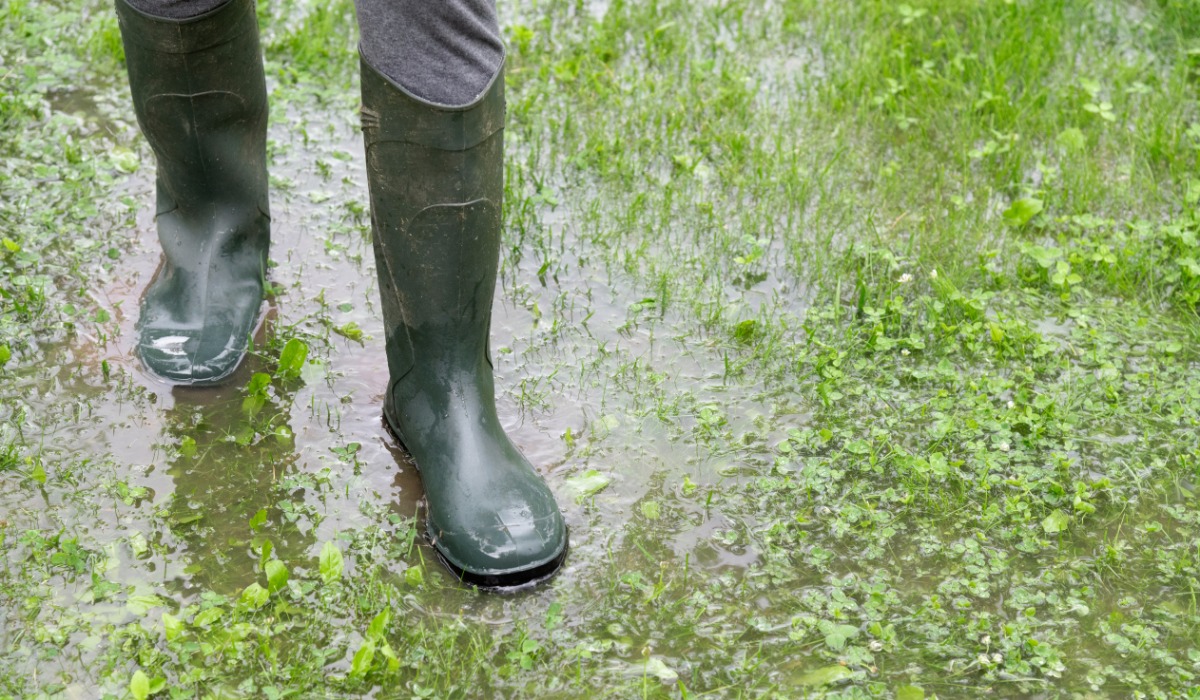
A heavy rain can turn a beautiful yard into a soggy mess in a matter of hours. Fortunately, homeowners have several practical options to help water move through or away from their property. These easy ways to prevent your yard from flooding will help protect your landscape and create a yard that recovers faster after a storm. Try one or more of these methods to keep your home clean and comfortable.
Find the Source of the Water
Before you make changes to the yard, take note of where excess water comes from and where it collects. A low area may collect rain from several parts of the property, or a downspout may release a large amount of roof runoff into one small patch of lawn. Water may also flow into your yard from a neighboring property or nearby slope.
A walk around the property after a rainstorm can reveal a lot. Look for puddles, washed-out soil, exposed roots, and trails through mulch or gravel. Those clues can help you trace the route water takes across the yard. Once you understand that route, you can choose a solution that addresses the actual problem rather than the wet spot alone.
Keep Gutters and Downspouts Clear
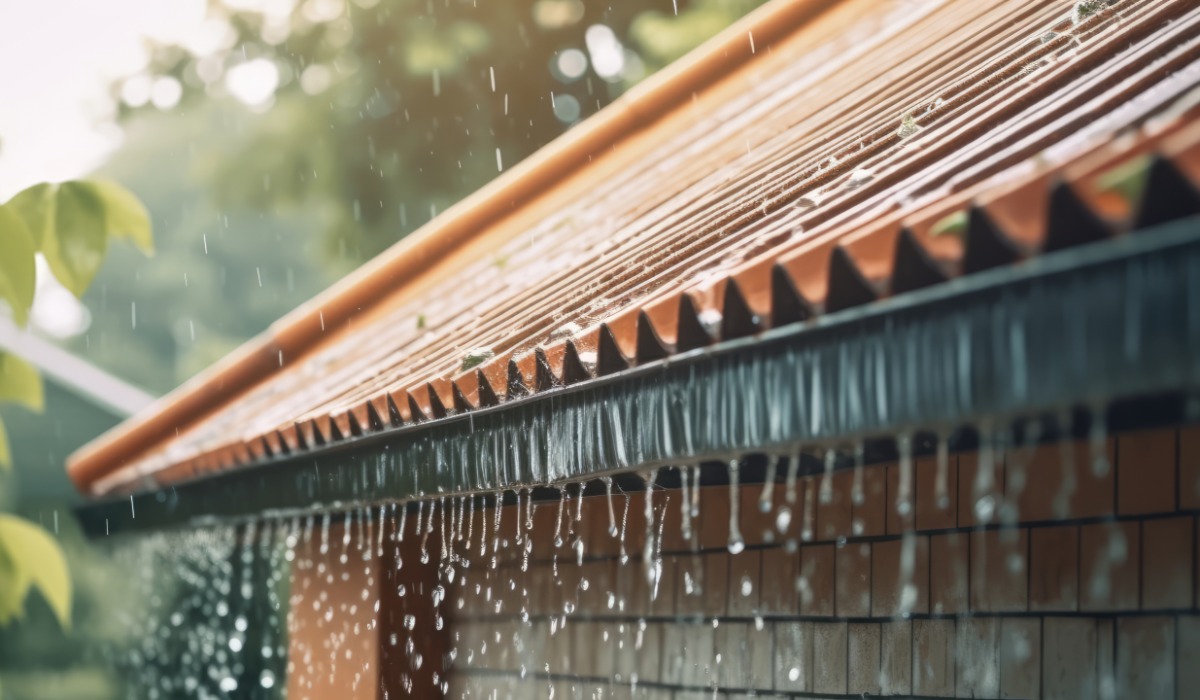
Your roof collects a surprising amount of rainwater during a storm. Gutters and downspouts direct that water away from the house, but leaves, dirt, and other debris can block its path. Water may spill over the gutter edge and saturate the soil beside your foundation as a result.
Clean gutters on a regular schedule and check them after major storms. Downspouts should also release water far enough from the house that it doesn’t collect beside the foundation. Extensions can direct runoff toward a more suitable part of the property, as long as that new location doesn’t create another drainage problem.
Improve the Slope Around Your Home
Water naturally travels downhill, so the grade of your property has a major role in drainage. Soil that slopes toward the house can direct rainfall toward the foundation instead of away from it. Low spots elsewhere in the yard can create similar trouble.
Small grade corrections may help redirect runoff toward a safer outlet. Add soil to shallow depressions or reshape minor areas where water tends to collect. Larger grade problems deserve professional attention because a poor adjustment could send water toward a neighbor, structure, or another vulnerable area.
Add a Rain Garden to a Low Area
Some low areas can become attractive landscape features rather than constant sources of frustration. A rain garden uses plants and prepared soil to collect runoff for a short period and allow it to soak into the ground. It can work especially well in a spot that receives runoff from a roof, driveway, patio, or higher section of the yard.
Plant choice matters here. Select species that tolerate both wet soil and dry periods, with preference for plants suited to your local climate. A rain garden also needs the right location and depth so water doesn’t remain there for extended periods. Place it away from foundations and septic systems, and consult a landscape professional if site conditions are complex.
Pay Attention to Compacted Soil
A lawn can look healthy on top, but have dense, compacted soil underneath. Heavy foot traffic, vehicles, construction activity, and some soil types can reduce the amount of water that enters the ground. Rain may then sit on the surface or travel toward lower sections of the property.
Aeration can help loosen compacted lawn soil and create paths for water and air. Organic matter can also improve some soils over time. Soil conditions vary widely, so a soil assessment can help you choose a suitable approach rather than add materials without a clear purpose.
Consider a French Drain for Persistent Trouble Spots
Some drainage problems need more than surface-level changes. A French drain uses a gravel-filled trench and perforated pipe to collect excess water and direct it toward an appropriate outlet. This type of system may help in areas where water repeatedly collects after rain.
Proper placement matters. A drain needs a suitable slope and discharge point, and local rules may affect where water can go. Homeowners should also locate underground utilities before any excavation. A drainage contractor or landscape professional can evaluate the property and determine if this type of system fits the site.
Keep Yard Drains Free of Debris
Properties with existing yard drains still need routine care. Leaves, grass clippings, mulch, soil, and other debris can cover a drain grate and restrict water flow. During a strong storm, even a partial blockage can leave water with nowhere to go.
Check drain grates as part of regular yard maintenance and remove debris before major rain events when possible. If a drain stays slow after the surface is clear, the pipe itself may have a blockage. A professional can inspect the system and identify problems that aren’t visible from above. Don’t overlook permeable pavers you may have outside. Knowing how permeable pavers help prevent standing water is important, but one of the most important factors to remember is that maintenance is still essential.
Avoid Letting Mulch and Soil Block Drainage Paths
Landscape beds change over time. Fresh mulch gets added, soil shifts, plants expand, and debris accumulates. Those gradual changes can block a shallow drainage route that once moved water across the property without trouble.
Keep natural swales and drainage paths clear enough for water to pass. Avoid large piles of mulch or soil in areas where runoff needs to travel. A quick yard inspection a few times each year can reveal small obstructions before the next heavy storm exposes them.
Now, you can try each of these easy ways to prevent your yard from flooding. Pay close attention to how your yard responds after storms, and address small drainage trouble before erosion or repeated water accumulation causes greater damage. If water continues to collect despite basic changes, contact a qualified landscape or drainage professional for an assessment. A well-planned approach can help protect your lawn, hardscape, landscape beds, and home while keeping the yard more usable after wet weather.
About The Author