Millions in Subsidies and Broken Promises: Inside The Political Fallout Over Stellantis Brampton
- Ingrid Jones
- Canada
- November 13, 2026
OTTAWA — The political storm swirling around the planned sale of the Stellantis assembly plant in Brampton, Ont., is no longer just a labour dispute over an idled factory. On Friday, the battle escalated into a high-stakes standoff pitting the federal and Ontario governments against a global automaker, raising serious questions about taxpayer subsidies, corporate accountability, and what Ottawa knew behind closed doors before the deal went public.
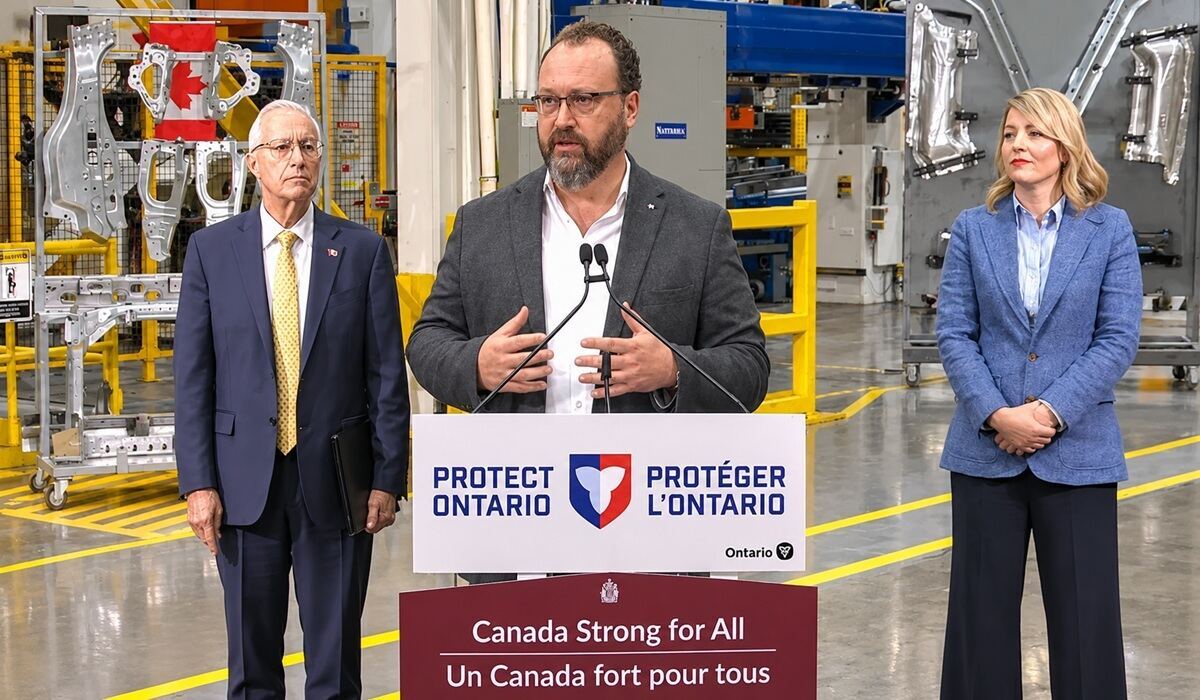
At a news conference in Vaughan, Ont., on Friday morning, Industry Minister Mélanie Joly struck an urgent tone alongside Ontario Economic Development Minister Vic Fedeli. One day after threatening legal action and serving Stellantis with a 30-day notice of default, Joly revealed that both levels of government are mounting a final push to stop the automaker from selling the Brampton facility to Canadian defence contractor Roshel.
Joly told reporters that Ottawa has “put an aggressive package to Stellantis to prevent the sale and we are still in solution mode to prevent the sale”. She confirmed she intends to present “new scenarios” directly to Stellantis global chief executive officer Antonio Filosa in an upcoming meeting, trying to persuade the automaker to keep the facility within its automotive footprint. Fedeli echoed that urgency, noting that provincial funds from a multi-billion-dollar auto support program are available if Stellantis agrees to “buy some time” rather than finalize the transaction with the armoured vehicle maker.
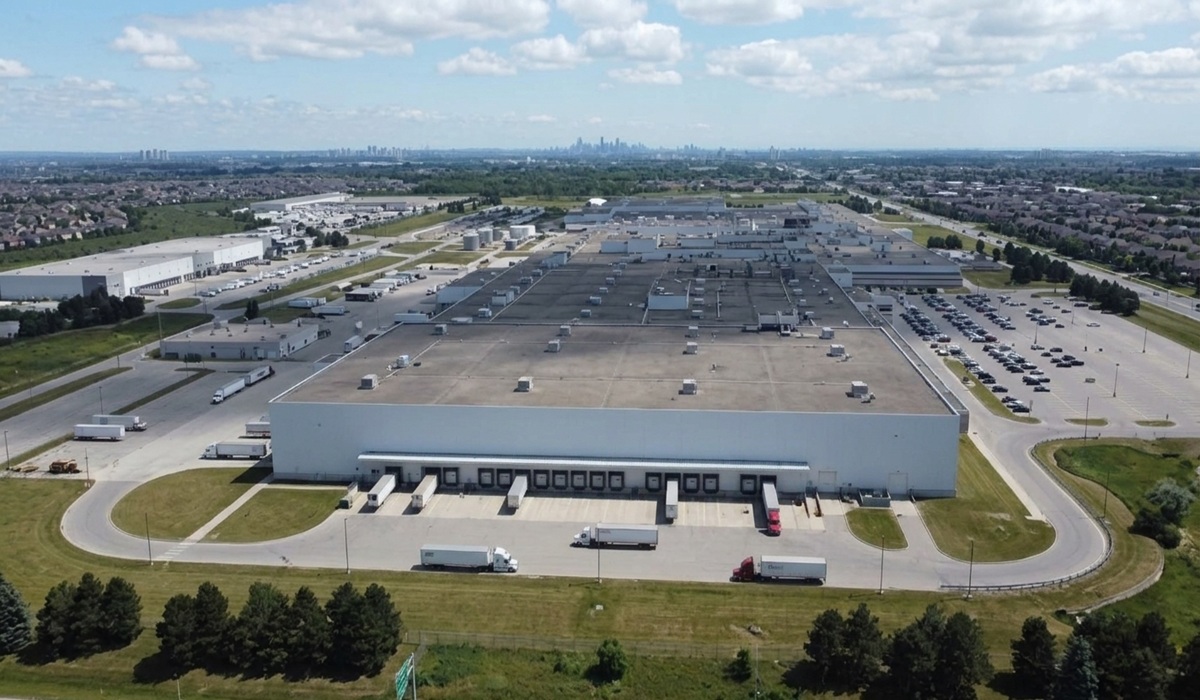
To understand why this dispute has dominated Parliament Hill this week, it helps to look at the timeline of what the federal government knew, and when it knew it. Earlier this week, Stellantis and Roshel announced an agreement to transfer ownership of the sprawling Brampton site, which has sat dormant since Stellantis paused retooling work in February 2025 and moved planned production of the Jeep Compass to Illinois amid sweeping U.S. tariffs.
Following the sale announcement, reports surfaced indicating that senior officials in both the Prime Minister’s Office and Joly’s office had been briefed on the discussions between Stellantis and Roshel months before the deal was made public. Lobbying records and government sources confirmed that Joly’s senior aides held meetings with representatives from both companies in the lead-up to the announcement. That revelation ignited fierce criticism from Conservative Leader Pierre Poilievre and union leaders, who accused the Liberal government of standing by while more than 2,000 unionized auto jobs were signed away.
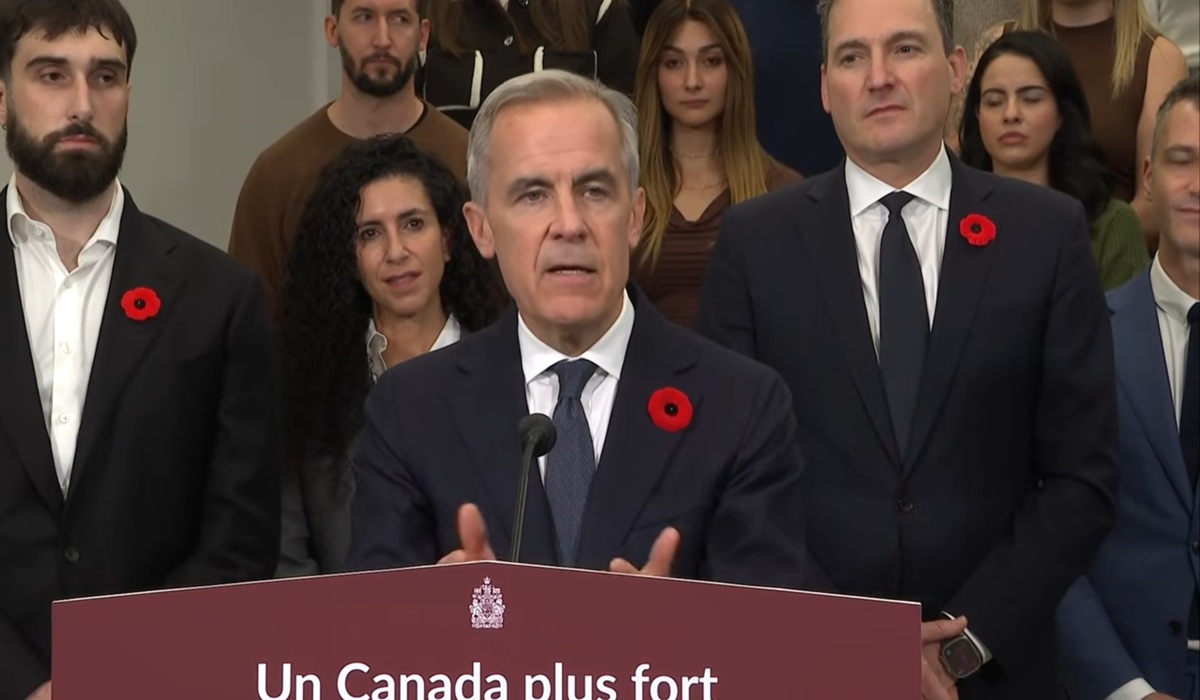
Both Prime Minister Mark Carney and Joly’s office have moved aggressively to draw a sharp distinction between being informed of private corporate talks and endorsing the outcome. Speaking to reporters while travelling in Dublin on Thursday, Carney acknowledged that his government had been informed of “some aspects” of the plan ahead of time, but he framed the sale as a profound breach of faith.
“The betrayal is not fulfilling all the obligations for all of the workers,” Carney said. “That’s the responsibility of Stellantis. That’s the responsibility they made multiple times, including in the battery deal that they signed with the government. We will pursue all of this. A partial solution is a step. It is not a global solution. That is the betrayal.”
Joly’s office has been equally emphatic about her personal involvement. Spokesperson Mathis Denis stated this week that Joly “had no part in negotiating the deal with Stellantis or Roshel” and never met with Roshel regarding the transaction. Denis maintained that the minister’s sole focus was acting in a conflict resolution role between the automaker and Unifor, adding that Joly “at no point” endorsed the Roshel proposal and would never accept an arrangement that lacked union backing. Following a tense, unproductive Thursday meeting in Toronto with Stellantis executives, Unifor leadership, and provincial officials, Joly did not hide her frustration. “To be frank, I’m fed up,” she told reporters.
On Friday morning, Joly reinforced that message on social media, writing that “the battle for Stellantis workers in Brampton is one worth fighting” and declaring that “bringing back the jobs is our number one priority”.
Still, to a casual observer, the political uproar can seem puzzling. The Brampton assembly plant has not produced a vehicle in years, its assembly lines stripped out for a retooling project that was abruptly halted, leaving the facility completely dormant. Why, then, is a sale that would bring an active Canadian defence manufacturer into an empty building being treated as a national economic crisis?
The answer lies in the fine print of hundreds of millions of taxpayer dollars and the structural survival of Canada’s auto sector. In 2022, the federal government pledged up to $529 million, alongside a provincial commitment of up to $513 million, to help Stellantis retool both its Brampton and Windsor assembly plants for electric and next-generation vehicles. While Ontario confirmed this week that it has not flowed any provincial cash to the Brampton project because Stellantis failed to hit required job and construction milestones, Ottawa has already paid out at least $222 million under the broader arrangement.
On Thursday, Stellantis Canada CEO Trevor Longley issued a statement indicating the automaker is prepared to repay $24 million, the specific portion of federal funds allocated directly to the Brampton retooling. On Friday, Joly flatly rejected that math.
“Documents are clear, contracts also are clear,” Joly said in Vaughan. “The Brampton facility of Stellantis is linked to the Windsor plant and also the battery investments and that’s why I said and I continue to say that Stellantis is on the hook for hundreds of millions of dollars.”
That contractual linkage is the crux of the entire battle. In Ottawa’s view, a multinational automaker cannot pocket hundreds of millions of dollars in public subsidies to anchor its Canadian footprint, quietly abandon one of its two flagship assembly plants during a trade war, offer back a fraction of the money, and walk away clean. If Stellantis is permitted to sever Brampton from its broader Canadian obligations without severe financial penalty, federal officials fear it sets a dangerous precedent that could leave the Windsor plant and major battery investments vulnerable the next time corporate priorities shift.
Furthermore, selling an automotive assembly plant to a defence contractor permanently erases industrial capacity that takes decades to build. Once an auto plant is converted for armoured vehicle manufacturing, it will never stamp or assemble passenger cars again, permanently shrinking Canada’s automotive supply chain and wiping out thousands of high-paying unionized jobs.
For Unifor, the stakes are existential. National President Lana Payne acknowledged after Thursday’s meeting that the union faces an uphill battle, noting plainly that “the plant is sold” and warning that while a strike remains a last resort, workers will not accept being treated as collateral damage. Conservative Leader Pierre Poilievre, speaking in Calgary, has demanded that Carney release the unredacted 2022 funding contracts so Canadians can see whether Ottawa ever secured binding job guarantees in the first place.
With the 30-day default clock now ticking and Joly preparing to take her case directly to Stellantis global leadership, the fight over a silent factory in Brampton has become the ultimate test of whether Ottawa’s industrial policy has real legal teeth, or whether public subsidies in Canada come with no strings attached when a global corporation decides to pack up and leave.
About The Author