Escalating U.S.-Iran Conflict Shakes Global Energy Markets and Strains Domestic Economy
- TDS News
- U.S.A
- September 8, 2026
The escalation of military hostilities between the United States and Iran has driven a severe spike in global energy markets, pushing Brent crude oil prices toward multi-week highs and intensifying economic pressure domestically.The renewed conflict, which erupted following a breakdown of an uneasy month-long truce, has triggered a cascading series of military engagements and diplomatic maneuvers across Washington, the Middle East, and key strategic shipping corridors.
The friction point centers heavily on the Strait of Hormuz, a critical global artery for petroleum transit.Following American assertions that military forces had cleared maritime mines from the passage, subsequent intelligence indicated that Iranian military infrastructure was attempting to rebuild defensive and offensive missile assets along the route.In response, United States Central Command executed targeted airstrikes over the weekend against Islamic Revolutionary Guard Corps installations and logistical nodes, including sites on Larak Island.These operations were designed to neutralize perceived threats to commercial shipping and retaliate against drone and missile salvos directed toward regional American outposts, including facilities in Jordan and the Gulf states.
The resumption of active warfare has brought immediate humanitarian controversy. Iranian state media and foreign ministry representatives have strongly condemned a reported American strike that impacted a residential compound in southern Iran where a wedding celebration was underway.Local authorities asserted that multiple civilians, including young children, were killed and dozens more wounded.While international bodies and human rights advocates have expressed deep alarm over the climbing civilian toll, the United States military maintained that it is reviewing the allegations while emphasizing that targeting protocols strictly avoid non-combatants.
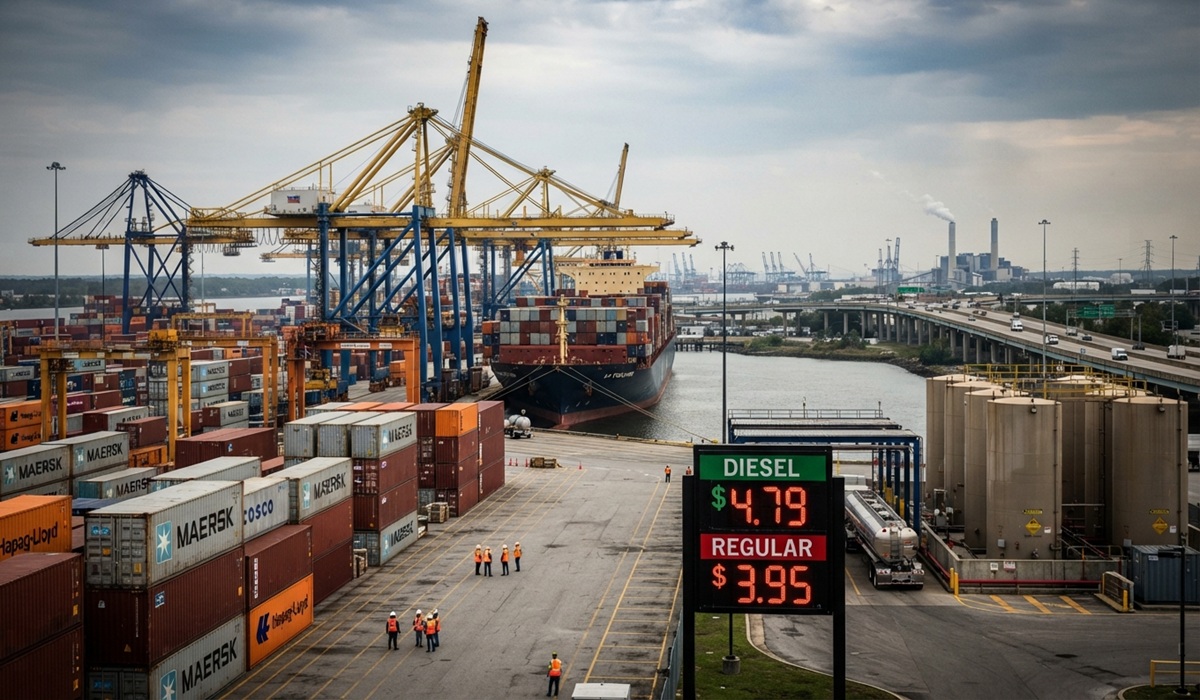
Domestically, the geopolitical turmoil is reverberating through the American economy with acute velocity. The American Automobile Association reported that national diesel and fuel averages have climbed dramatically as global supply chains absorb the shocks of shipping disruptions in the Middle East.Energy analysts note that benchmark crude oil has hovered near ninety-seven dollars per barrel, stoking concerns over renewed inflationary pressures heading into the autumn fiscal quarter. Lawmakers on Capitol Hill have voiced sharply divergent views regarding the strategy, with opposition leaders criticizing the administration for prioritizing confrontational foreign policy over immediate relief for domestic consumers grappling with elevated fuel and transportation costs.
Concurrently, the administration has expanded its economic statecraft to isolate Tehran further, rolling out a fresh suite of sanctions targeting the remaining operational components of Iran’s civil and commercial aviation network. Treasury and State Department officials defended the measures as a necessary tightening of the financial noose, intended to degrade the logistical capabilities of the Iranian state. However, foreign policy analysts remain divided on whether these financial penalties will alter Tehran’s calculus or simply provoke asymmetrical retaliatory measures targeting regional shipping and coalition assets.
Simultaneously, American diplomatic efforts are expanding across other hemispheres. Secretary of State Marco Rubio embarked on a high-profile diplomatic tour across South America, visiting key right-leaning partner nations including Colombia, Ecuador, and Peru. The itinerary focuses on solidifying regional security frameworks, expanding joint operations against transnational drug trafficking cartels, and reinforcing hemispheric alignment under the broad umbrella of evolving national security doctrines. This diplomatic push underscores a broader White House strategy to project assertive American leadership abroad even as resources and attention remain heavily taxed by the unfolding crisis in the Middle East.
As the week progresses, the intersection of foreign entanglements and domestic economic anxieties continues to dominate the national conversation. Federal agencies are monitoring energy inventories closely, while defense planners prepare for potential contingencies should the maritime standoff in the Strait of Hormuz deteriorate further. The administration maintains that its current military posture will remain active until strategic threats are fully suppressed, yet the mounting economic costs and humanitarian questions ensure that the path forward remains fraught with significant risk.
About The Author