A smaller wardrobe sounds appealing until you picture giving up the pieces that make getting dressed fun. If fashion plays a real role in how you express yourself, the goal should not be a closet full of identical basics. You want fewer pieces with more purpose! You also want enough personality left in the mix to still feel like yourself.
If you are interested in buying fewer clothes without losing personal style, focus on editing rather than restricting. Pay attention to what earns repeat wear.
Start With What You Already Repeat
Your closet already contains useful data. Look at the pieces you wear when you need to feel polished without having to think too hard. Those repeat choices reveal more about your style than a mood board ever will.
Pull out the items you wore most during the past month. Instead of judging them by trend or price, ask why they work.
This quick review helps you spot what deserves space:
- Pieces you reach for at least twice a month
- Shapes that feel comfortable for a full day
- Colors you wear without forcing an outfit
- Fabrics you enjoy against your skin
- Items that work with several existing looks
Keep the answers simple! You are looking for patterns, not building a spreadsheet worthy of quarterly earnings.
Build Around Strong Outfit Anchors
Once you know what works, identify a few pieces that carry an outfit. A sharp blazer might do more for your wardrobe than three trendy tops. These anchors do not need to look plain. In fact, a distinctive coat or sculptural shoe sometimes gives a smaller wardrobe more personality. The key lies in repeat potential!
Ask yourself whether you would wear the piece in several situations you already have. If you work from home most days, a fourth cocktail dress has a tougher job earning its place.
Use Color With More Intention
A smaller closet does not require beige surrender. You still get to love cobalt or cherry red! Keep the colors that make getting dressed enjoyable. The smarter move is to choose color with some structure.
Pick shades that already work with your favorite neutrals, then repeat those shades across a few pieces instead of chasing every new color trend. This approach gives you more outfit combinations without expanding the closet!
Choose Fabric Quality Over Closet Volume
When you buy less, each piece carries more responsibility. Fabric quality starts to matter because repeated wear quickly exposes weak construction. Touch the fabric before you buy. Check whether the knit feels dense enough for regular use, then look at how the garment hangs.
If you have been weighing the reasons to invest in a good cashmere piece, think beyond softness. A well-made knit might hold a useful place in your wardrobe for years when the fiber quality supports regular wear.
Think in Cost Per Wear
A higher price makes more sense when you wear the item frequently. Divide the purchase price by the number of realistic wears you expect. For example, a $300 sweater worn 100 times costs $3 per wear. Meanwhile, a $90 trend piece worn three times costs $30 per wear. The cheaper item did less for your budget.
Cost per wear also helps you resist emotional shopping. You start asking whether a piece belongs in your real life instead of whether it looks appealing for ten minutes under fitting-room lighting.
Shop Secondhand With a Clear Target
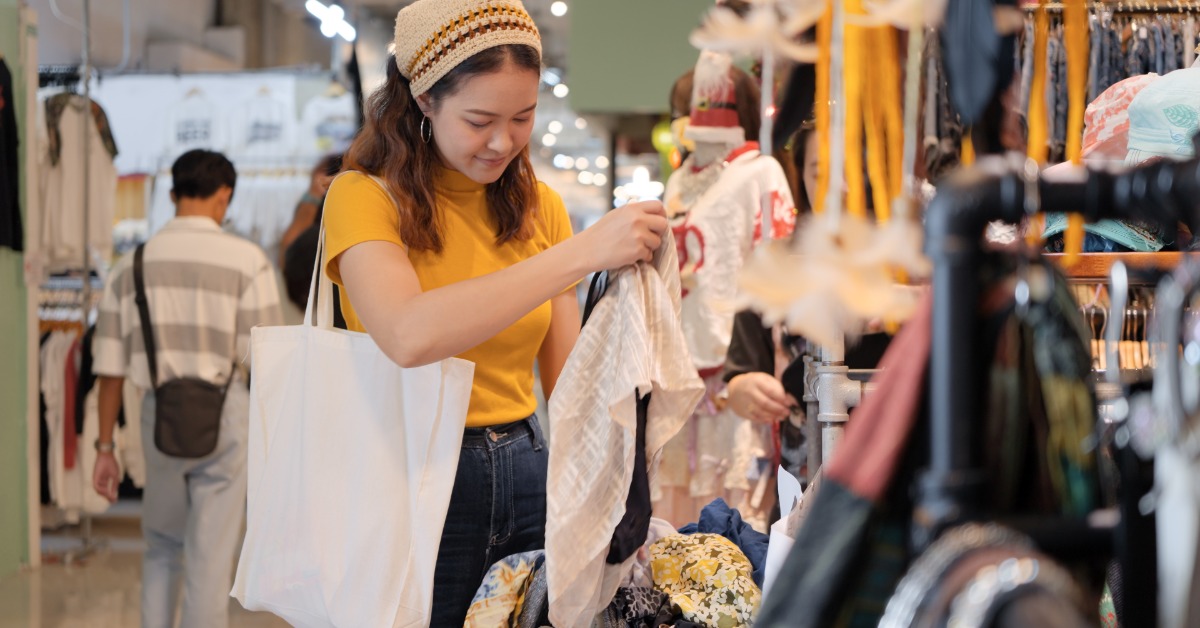
Secondhand shopping supports a lower-waste wardrobe, but endless browsing still leads to clutter. Go in with a purpose! Look for one gap at a time. If you need a wool coat, focus on coats. If your current loafers have reached the end of their life, search for a replacement instead of wandering through every category.
You also gain access to older pieces with different fabric compositions or construction standards. Check labels closely, then inspect seams before you buy. Look over closures as well. If the piece needs major repairs or does not fit your wardrobe, leave it behind.
Tailor the Clothes That Almost Work
Sometimes your closet problem is not a lack of clothing. The real issue sits in a sleeve that runs too long or a waistband that never feels right. Tailoring gives strong pieces another chance. You never know, hemming trousers might turn them into a weekly favorite!
Fix Fit Before You Replace
Before donating a quality item, ask whether a simple alteration would solve the problem. Compare the tailoring cost with the price of finding a replacement. Replacing a nearly right garment wastes money and sends you back into the shopping cycle. A small adjustment can sometimes completely change your relationship with a piece.
Make Outfit Repeats Feel Deliberate
Repeating clothes does not mean repeating the exact same outfit. You still have room to play! Start with one familiar anchor and change what surrounds it. Wear the same trousers with a fitted knit one day, or pair them with an oversized shirt later in the week.
Accessories also help shift the mood without adding much volume. For example, a belt changes proportion, and a scarf brings color closer to your face. The goal is not to disguise the fact that you repeat clothes. Repetition should feel normal! Really, who decided it isn’t? Personal style only grows stronger when people recognize the shapes and details you return to, again and again.
Take Better Care of What You Keep
If you wear the same pieces more frequently, they need better care. Read the care label before washing. Make sure to give delicate knits time between wears. Deal with small problems early as well. Sew a loose button before you lose it!
Good care also reduces the urge to replace clothes because they look worn sooner than expected. You get more value from what you own, and sustainability starts to feel more practical rather than abstract.
Replace Real Gaps Instead of Shopping for Novelty
Retailers make novelty feel urgent, but your wardrobe does not need to follow the same schedule. When you want something new, give yourself time to identify the reason. Ask whether you need to replace a worn item or simply want something new.
You make buying fewer clothes without losing personal style easier when every addition earns its space. You do not need a tiny uniform or a closet stripped of personality, but you do need pieces that feel like yourself.
About The Author