The Longest Border Becomes a Front Line: The New Weaponization of Trade
- Naomi Dela Cruz
- U.S.A
- August 24, 2026
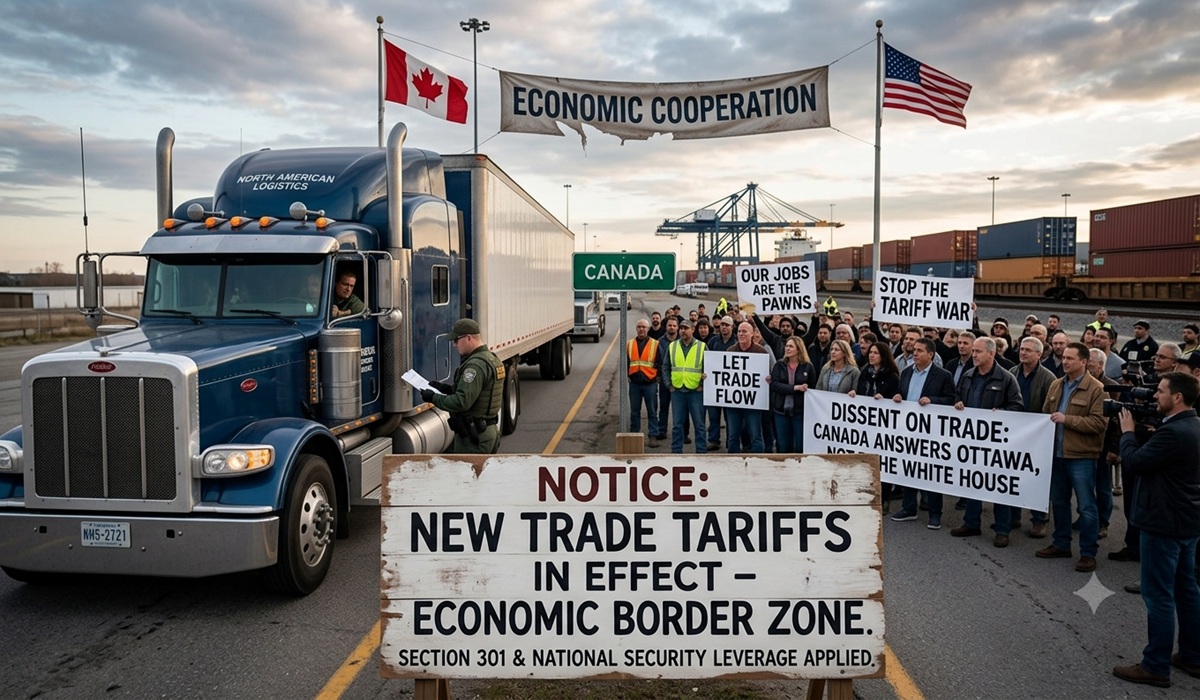
The political friction between Washington and Ottawa has reached a boiling point as economic leverage spills into open, unscripted hostility. Months after President Donald Trump signaled a sweeping push against northern trade policies, the administration doubled down on social media, issuing inflated economic claims, launching broad attacks, and reviving targeted personal jabs aimed directly at Canadian leadership.
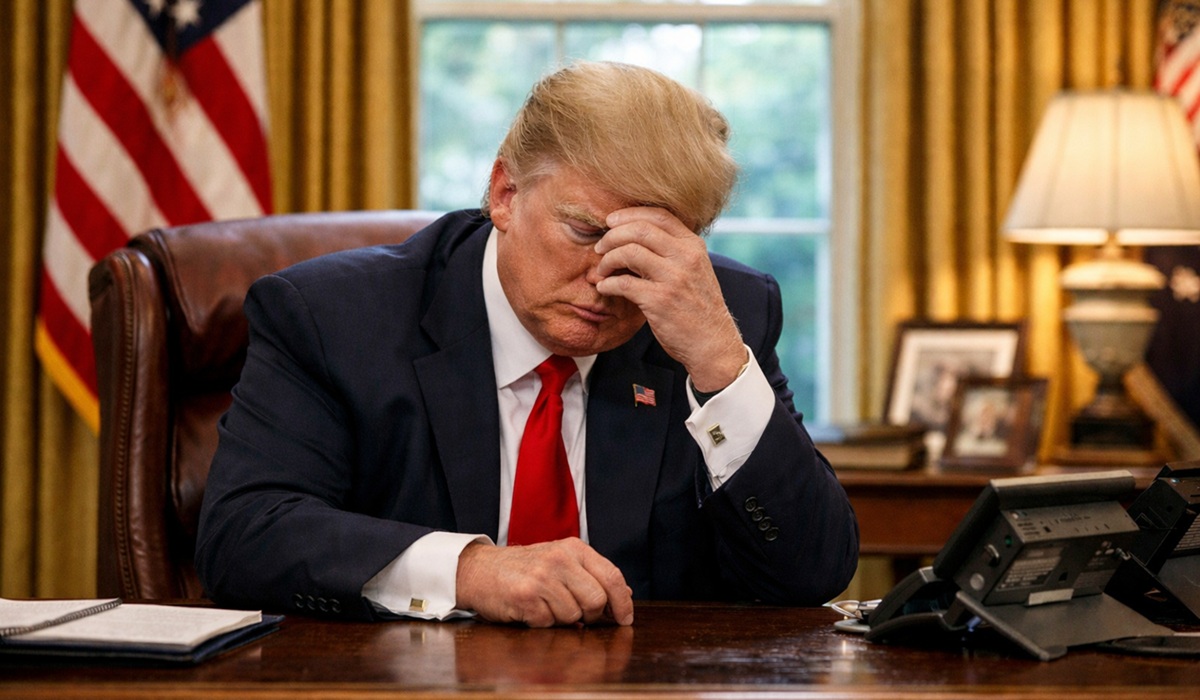
In a statement posted to Truth Social, President Trump threatened fifty percent tariffs on all Canadian automotive imports, trucks, auto parts, and steel, repeating contentious claims that Canada has been “ripping off” the United States for years. Central to the White House narrative is the assertion that a sixty billion dollar trade deficit and Canadian agricultural protections have made life impossible for American farmers. Economists routinely point out that such figures gloss over the balanced, integrated flow of bilateral trade under frameworks like the United States-Mexico-Canada Agreement, while grossly oversimplifying mutual supply chain reliance. The statement went further, asserting that Canada conducts ninety-five percent of its business with the United States while alleging the U.S. relies on zero reciprocal volume—a dramatic mischaracterization of a cross-border commercial relationship worth hundreds of billions annually.
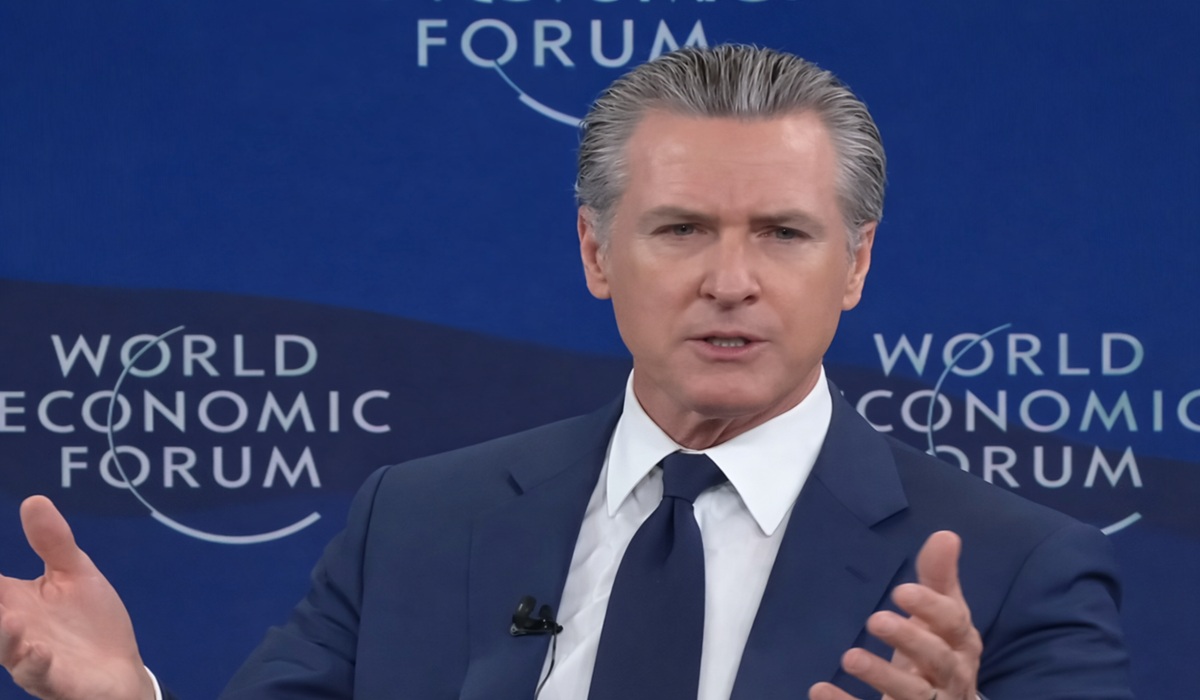
Adding a sharp diplomatic sting to the policy dispute, the White House has repeatedly deployed targeted political taunts, frequently referring to Prime Minister Mark Carney as “Governor” or the “governor of Canada”. The deliberate demotion of Canada’s head of government echoes a familiar tactic previously directed at former Prime Minister Justin Trudeau during earlier trade spats. By using territorial titles associated with U.S. state leadership, the rhetoric subtly reinforces past White House assertions that Canada wants the benefits of statehood without being one.
In Canada, where federal strategy has intentionally avoided rushing into broad domestic sales taxes on essential consumer goods, provincial governments have instead deployed an asymmetrical retaliatory weapon that is inflicting severe damage on American agricultural and beverage sectors. Rather than inflating price tags on daily essentials for Canadian working families, provincial leadership turned to state-controlled liquor distribution boards. From Ontario and Quebec to British Columbia, provincial authorities systematically cleared American wine, craft beer, and bourbon off store shelves. Because these state-run liquor distribution channels rank among the largest single alcohol buyers in the world, removing U.S. labels overnight abruptly severed vital export pipelines for American producers.
The fallout across the border has been immediate for regional U.S. economies reliant on northern exports. Historically, Canada was a primary international destination for American wine and craft beer, as well as a major market for bourbon and spirits. Following the retaliatory provincial removal, overall American spirit exports to Canada collapsed by roughly eighty percent, while wine shipments plunged by similar margins. Distilleries in Kentucky and winemakers across California, Oregon, and Washington have watched tens of millions of dollars in recurring revenues vanish, leaving domestic markets oversaturated with excess inventory.
This calculated retail pressure explains precisely why the White House singled out Canadian provincial alcohol policies, explicitly demanding a full reinstatement of American products to store shelves. The empty spaces across Canadian liquor stores demonstrate that Ottawa and the provinces hold substantial economic leverage over key U.S. congressional districts dependent on agricultural exports.
The Canadian response, led by Prime Minister Carney and provincial leaders, has remained resolute. Rejecting the notion that Canada is merely a subsidiary market or an economic subordinate to its southern neighbor, Canadian leadership has dismissed the social media rhetoric while standing firm on retaliatory measures. Addressing reporters, Carney made it clear that Canada would match new U.S. tariffs dollar for dollar by September 8, targeting American steel, dairy, electronics, consumer appliances, and paper products. Carney emphasized that Canada will only return to negotiations when Washington arrives with a posture of genuine partnership rather than coercion.
To insulate Canadian businesses from ongoing financial damage, Ottawa is expanding support initiatives like the Regional Tariff Response Initiative to assist small and medium-sized enterprises. Simultaneously, Canada maintains its twenty-five percent protective duties on non-compliant U.S. imports while encouraging provinces to eliminate internal trade barriers to strengthen domestic economic self-reliance.
As the trade dispute deepens with no further bilateral meetings scheduled, the missing bottles on Canadian store shelves stand as a high-stakes symbol of resistance. Canada’s deliberate approach proves that targeted commercial retaliation can hit American agricultural hubs just as hard as broad federal mandates. Until both nations return to the negotiating table with realistic expectations, the battle over market access and national sovereignty will continue to redefine North American trade.
About The Author