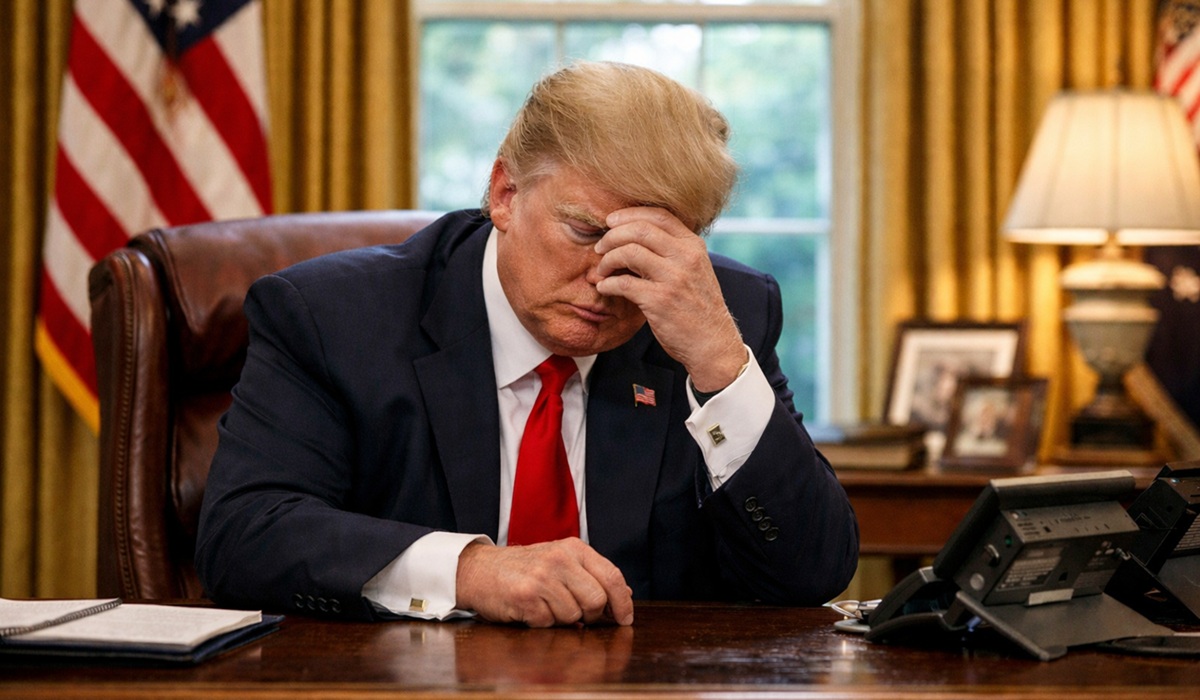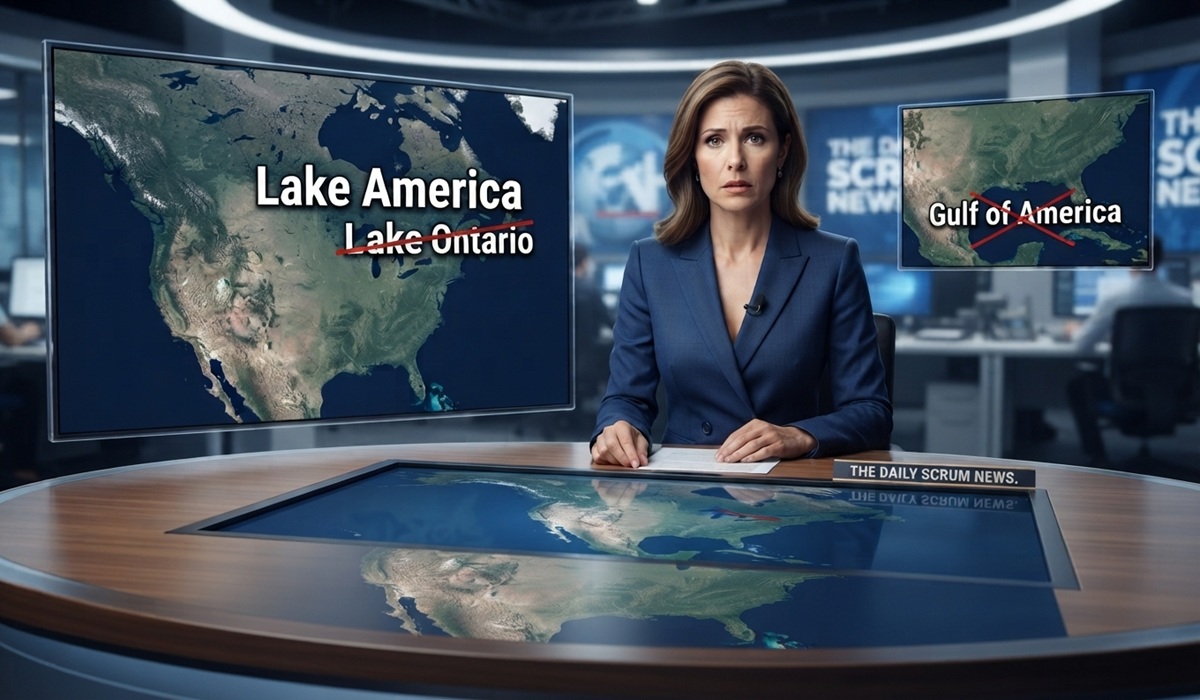
The political landscape of North America is witnessing a bizarre escalation in rhetoric as United States President Donald Trump floats the idea of unilaterally changing the name of Lake Ontario to Lake America. This proposed rebrand directly mirrors his earlier executive action that forced federal agencies to refer to the Gulf of Mexico as the Gulf of America. Rather than being isolated incidents of eccentric map-making, these arbitrary maneuvers are weaponised political posturing designed to project dominance during tense international trade disputes. When political leaders treat centuries-old geographical landmarks and shared natural borders like personal real estate, the fallout extends far beyond social media headlines and directly impacts the economic stability of the entire region.
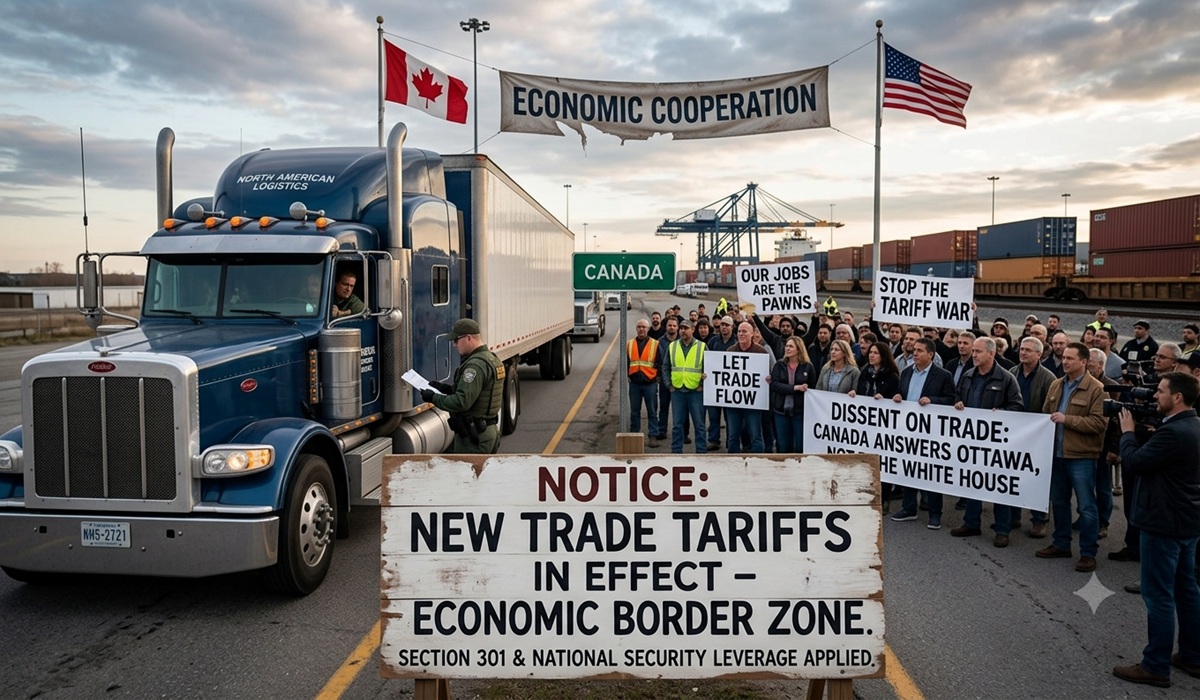
Behind the theatrical facade of renaming natural bodies of water lies an aggressive protectionist agenda centred on steep tariffs and retaliatory trade policies that impose massive financial burdens on ordinary citizens. When the administration slaps punishing tariffs on neighbouring nations, deeply integrated cross-border supply chains that have functioned efficiently for decades are immediately thrown into chaos. Small and medium-sized business owners, logistics operators, and manufacturing companies find themselves grappling with skyrocketing overhead expenses for essential goods like steel, aluminium, and automotive parts. Because corporations cannot absorb these multi-billion-dollar cost increases indefinitely, they are forced to pass the financial burden down to everyday consumers through inflated prices on vehicles, household appliances, and daily necessities.
Furthermore, the administrative and logistical costs associated with executing these arbitrary political whims are far from trivial and drain resources that could otherwise fuel economic growth. While an executive order can theoretically force domestic federal agencies and digital map applications to alter their terminology overnight, international bodies, foreign governments, and private enterprises reject these unilateral dictates. This creates a fractured administrative landscape where shipping manifests, compliance documentation, and official digital databases must navigate contradictory standards across different jurisdictions. The resulting confusion and red tape cost businesses countless hours and capital, stifling investment and creating a climate of economic unpredictability.
Ultimately, this brand of political theatre damages international diplomacy and erodes the mutual trust required for neighbouring countries to peacefully coexist and trade. Nations that have shared secure borders and mutually beneficial commercial relationships for generations are subjected to unnecessary friction, aggressive ultimatums, and retaliatory posturing. This manufactured hostility fails to solve genuine economic challenges, instead leaving workers, families, and consumers on both sides of the border to shoulder the skyrocketing cost of living and the consequences of fractured geopolitical ties.
The absurdity of renaming Lake Ontario to Lake America exposes a troubling disregard for international geography, sovereignty, and collaborative stewardship of shared natural resources. Just as the previous attempt to rebrand the Gulf of Mexico served as a superficial exercise in nationalist branding, this latest proposal treats international landmarks as mere pawns in a wider game of political theater. Such arbitrary alterations ignore the deep historical significance and ecological unity of a body of water shared by two nations, reducing complex cross-border ecosystems to talking points for political rallies. When leaders prioritize unilateral declarations over respectful diplomacy, they alienate close allies and inflict unnecessary strain on the diplomatic foundations that keep international trade and cooperation running smoothly.
About The Author