How To Inspect Your Home for Damage After a Severe Storm
- Casey Cartwright
- Home Improvement
- August 5, 2026
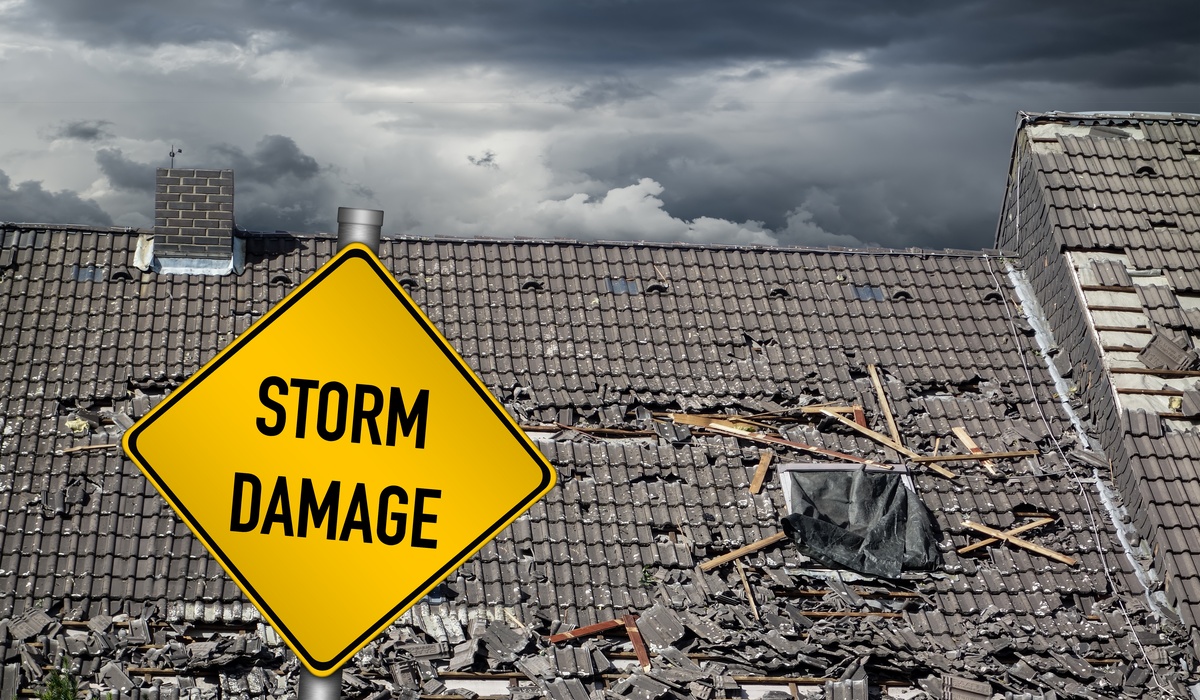
A severe storm can leave a neighborhood looking unchanged from the street while creating serious trouble inside individual homes. Wind, hail, falling branches, heavy rain, and flash flooding do not damage every property in the same way. One house may lose shingles, another may take water through a basement wall, and another may show no visible damage until a stained ceiling appears days later. Keep reading to learn how to inspect your home for damage after a severe storm.
Homeowners should approach the process with caution, patience, and a clear sense of priorities. The first concern after any major weather event is safety, not repair. Downed power lines, broken glass, unstable tree limbs, standing water, gas odors, and weakened structures can turn a routine walkaround into a dangerous situation. No homeowner should climb onto a roof, enter a flooded basement, or touch damaged electrical equipment to get a closer look.
A smart post-storm damage inspection begins before anyone walks outside. Start inside the home, where conditions may reveal storm damage to the structure or water inside. Check ceilings, upper walls, and corners for stains, bubbling paint, softened drywall, or fresh cracks.
Pay close attention to rooms under the roofline, around chimneys, beneath skylights, and near exterior walls. Water does not always drip directly below the point where it enters a home. It can travel along rafters, pipes, insulation, and wall cavities before it becomes visible.
The attic can offer some of the clearest early signs of roof trouble, but homeowners should enter only when they can do so safely. Use a flashlight, and avoid stepping anywhere except stable framing or secure flooring. Look for damp insulation, dark streaks on wood, musty smells, rusted fasteners, or small points of daylight coming through the roof deck. These signs do not automatically prove that the entire roof has failed, but they do show that water or wind may have found a path into the home.
Windows and doors deserve the same close attention. Strong wind can push rain through seals, loosen frames, crack glass, or damage screens. Examine window sills for moisture, swelling, peeling paint, and debris. Open and close doors to see whether they still fit properly. A door that suddenly sticks after a severe storm may point to shifting, swelling, or water exposure around the frame.
Once the interior appears safe, move outside and inspect the property and outside of your home for damage after a severe storm from the ground. Walk slowly around the home, and keep a distance from damaged trees, leaning fences, loose siding, and dangling wires. The roof usually attracts the most attention after hail or high winds, but homeowners should resist the urge to climb a ladder for a closer view. From the ground, look for missing shingles, lifted edges, curled sections, exposed underlayment, dented gutters, broken flashing, and debris scattered across roof valleys.
Roof damage requires judgment because not every mark carries the same meaning. A few missing shingles on a newer roof may call for a targeted repair, while widespread cracking, repeated leaks, sagging areas, or damage across several slopes may raise larger concerns. It’s difficult for an amateur to tell if a roof needs repair or full replacement, so it’s best to have a professional inspection before deciding one way or the other.
Gutters, downspouts, and drainage areas can also tell the story of a storm. A dented gutter may seem minor, but poor drainage can send water toward the foundation, into a basement, or behind siding. Check whether gutters remain secure, whether downspouts direct water away from the house, and whether soil has washed out near the foundation. Standing water beside the home after the storm has passed can point to grading or drainage problems that deserve attention.
Next, inspect siding and exterior walls from several angles. Hail can leave dents, cracks, chips, and punctures. Wind can loosen panels or force water behind seams. Brick and masonry can show new cracks, missing mortar, or staining where water entered. Around vents, hose bibs, exterior outlets, and utility penetrations, inspect for gaps and broken seals. These openings may look small, but wind-driven rain can exploit them during a long storm.
Foundations and basements need particular care after heavy rain. Inside, check for damp floors, water lines on walls, mud, odors, and new cracks. Outside, inspect visible foundation walls for fresh movement, crumbling areas, or places where soil has pulled away.
A small amount of seepage may seem manageable at first, but frequent moisture can damage flooring, framing, belongings in storage, and indoor air quality. When water reaches electrical outlets, appliances, or mechanical systems, homeowners should keep away from the area until qualified professionals evaluate the risk.
The yard can reveal hazards that affect the home even after the storm ends. Broken limbs may hang above the roof, driveway, or service lines. Fence posts may lean. Detached sheds, patio structures, and play equipment may shift from their original positions.
Large trees can show cracks in trunks, exposed roots, or soil heaving near the base. These signs can indicate instability, especially when the ground remains saturated. A tree that survived the storm may still pose a threat during the next round of wind.
Documentation plays a central role when inspecting for storm damage. Take clear photographs and video from safe locations before moving debris or making temporary repairs. Capture wide shots that show location and context, then take closer images of specific damage.
Record dates, times, weather conditions, and any immediate steps taken to protect the home. Save receipts for emergency work, materials, hotel stays, cleanup, or professional assessments. Good records help homeowners explain what happened, whether they contact an insurer, a contractor, a landlord, a homeowners association, or local officials.
Temporary protection may make sense when damage exposes the home, but safety still controls the decision. A homeowner may place a bucket under a leak, move belongings away from wet areas, cover a broken window from the inside, or shut off water to a damaged fixture. More hazardous work, including roof tarping, major debris removal, electrical repairs, structural bracing, and mold cleanup, should involve professionals.
Storm recovery also requires skepticism. After major weather events, some communities see an influx of aggressive repair offers, vague inspection claims, and pressure to sign quickly. Homeowners should verify licenses, check insurance coverage, review written estimates, and avoid paying large sums before work begins. A reputable contractor should explain the damage, describe the repair proposal, answer questions directly, and provide documentation without rushing the decision.
A severe storm can make a home feel vulnerable, but a careful inspection restores some control. By moving from interior signs to exterior conditions, documenting what they see, and calling in professionals when damage exceeds a safe visual review, homeowners can protect both their property and their families. The process does not require panic or guesswork. It requires attention, restraint, and a willingness to treat small warning signs as information worth investigating.
About The Author