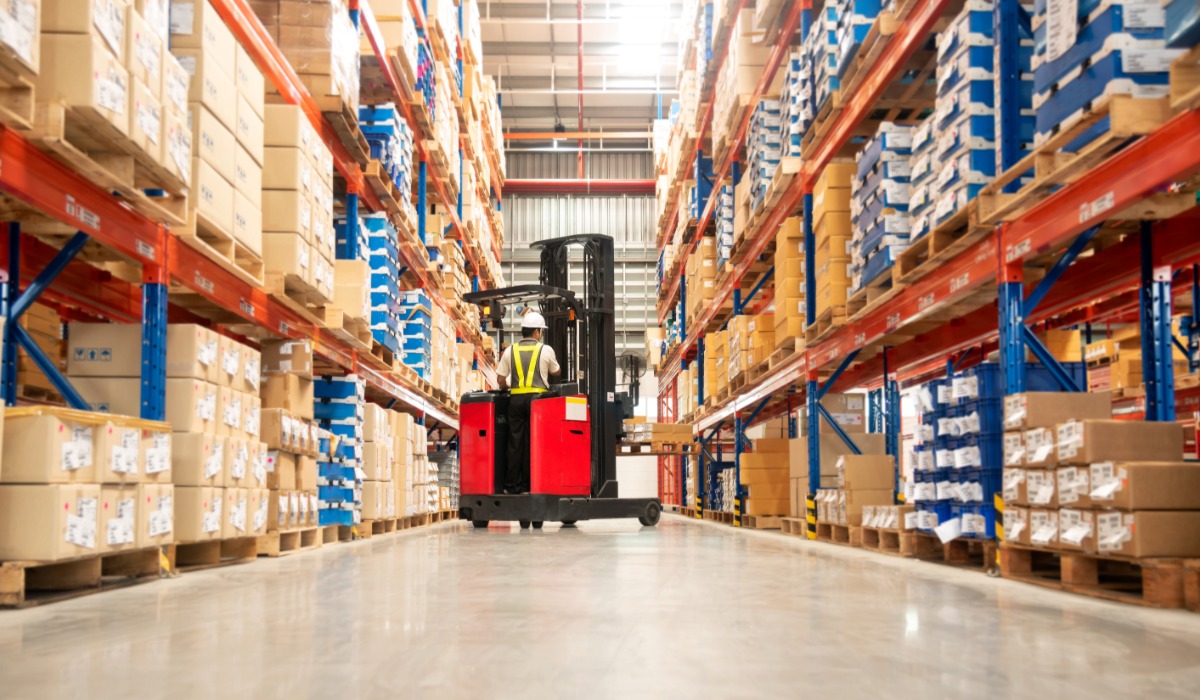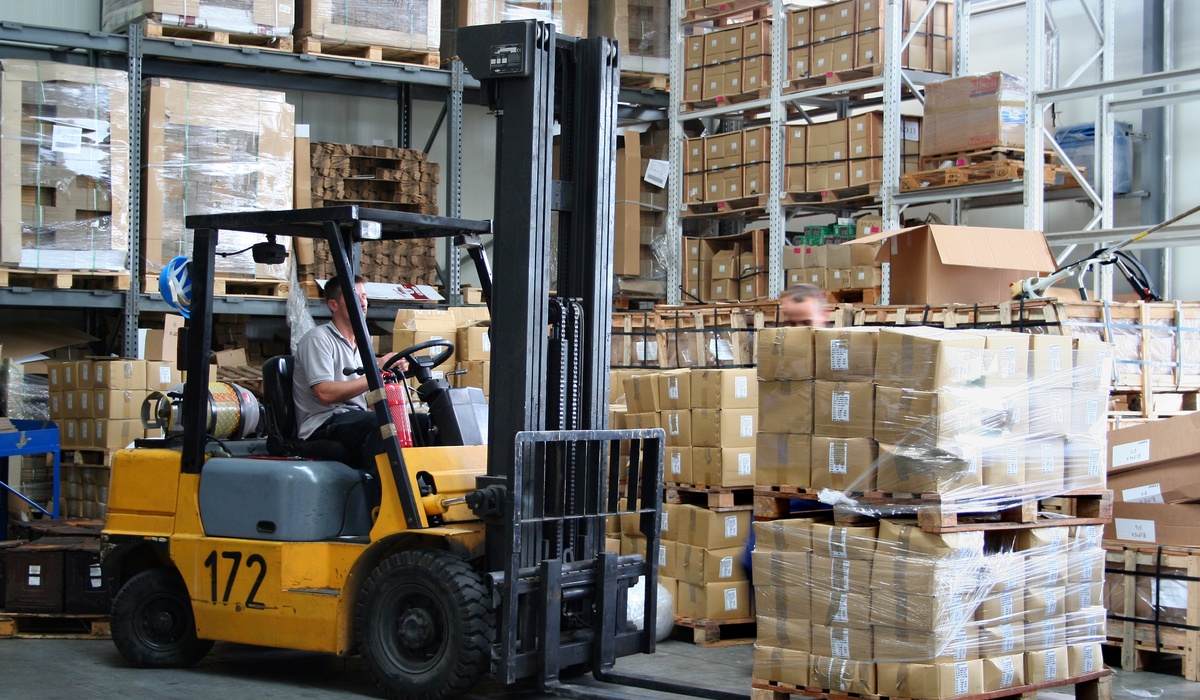
Warehouses are busy environments where efficiency matters every single day. Between incoming shipments, inventory tracking, employee movement, and outgoing orders, even small disruptions can create major slowdowns. Many warehouse managers focus on large-scale upgrades when trying to improve operations, but meaningful improvements often come from smaller adjustments that are easier to implement and maintain over time.
In many cases, small changes that make warehouses easier to manage can improve organization, reduce stress on employees, and create smoother workflows without requiring major renovations or expensive equipment. Consistency and practicality often have a greater impact than dramatic overhauls.
Improving Visibility Throughout the Facility
One of the simplest ways to improve warehouse management is by increasing visibility across workspaces. Employees work faster and more accurately when products, tools, and pathways are clearly marked and easy to identify.
Color-coded sections, updated signage, and properly labeled shelving can reduce confusion during picking and stocking tasks. Warehouses that rely on temporary handwritten labels or inconsistent placement systems often experience delays because workers spend unnecessary time searching for materials.
Improving lighting also contributes to better visibility. Dim storage areas can slow down productivity and increase safety risks. Upgrading lighting in high-traffic zones makes it easier for employees to identify inventory and move equipment safely throughout the day.
Even reorganizing frequently used inventory closer to shipping or packing stations can improve operational flow. Small adjustments to layout and labeling often deliver immediate improvements in efficiency.
Reducing Clutter Before It Becomes a Problem
Clutter is one of the biggest obstacles to efficient warehouse management. Extra packaging materials, outdated inventory, unused pallets, and abandoned equipment gradually consume valuable space when left unchecked.
Creating a regular cleanup schedule helps prevent clutter from building up over time. Employees should know exactly where materials belong and when unnecessary items should be removed from active work areas.
Some facilities also benefit from evaluating how storage systems are being used. In crowded warehouses, even a minor reorganization can free up additional room for inventory and improve movement throughout the building. Many warehouse managers benefit from understanding the ways businesses can keep warehouse spaces cleaner and more organized when evaluating long-term operational efficiency.
Maintaining cleaner storage areas also improves safety. Clear aisles reduce the likelihood of accidents involving forklifts, carts, or misplaced inventory. When employees can move freely throughout the facility, daily operations become faster and less stressful.
Standardizing Daily Procedures
Warehouses often struggle when different employees complete the same task in different ways. Inconsistent procedures create confusion, slow training, and increase the likelihood of errors.
Standardizing common tasks such as receiving shipments, labeling products, or organizing returns helps teams work more efficiently. Employees spend less time second-guessing processes and more time completing productive work.
Written checklists can be particularly helpful during busy periods. Even experienced workers benefit from having clear procedures that reduce missed steps and improve accountability.
Consistency also makes onboarding easier for new employees. Warehouses with organized systems and repeatable workflows typically train workers faster and experience fewer operational disruptions during staffing changes.
Creating Better Traffic Flow
Warehouse traffic flow has a major impact on productivity. Congested aisles, poorly placed equipment, and overlapping work zones can create unnecessary delays throughout the day.
Simple layout adjustments often make facilities easier to navigate. Separating pedestrian walkways from forklift routes improves safety while reducing interruptions between workers and machinery.
Managers should also evaluate whether high-demand inventory is positioned strategically. Products that move frequently should remain easily accessible to minimize travel time during picking and packing operations.
Even moving packing stations closer to outgoing shipping areas can help reduce repetitive movement across the warehouse floor. These small operational refinements save time while improving employee efficiency.
Facilities that regularly review workflow patterns are usually better equipped to handle increased demand without creating operational bottlenecks.
Improving Inventory Accuracy
Inventory inaccuracies create frustration across nearly every area of warehouse operations. Incorrect stock counts can delay shipments, confuse employees, and damage customer trust.
Small improvements to inventory tracking procedures can significantly reduce these issues. Regular cycle counts help identify discrepancies early before larger problems develop.
Scanning systems and digital inventory tools also improve accuracy when used consistently. However, technology alone cannot solve organizational problems. Employees still need clear procedures and properly organized storage systems to maintain reliable inventory records.
Facilities that routinely audit inventory placement and labeling are often more efficient because workers spend less time correcting avoidable mistakes.
Prioritizing Flexible Storage Solutions
Warehouse needs change constantly. Seasonal inventory increases, new product lines, and evolving customer demands can quickly overwhelm rigid storage systems.
Flexible shelving, modular storage systems, and adjustable workspace layouts help warehouses adapt without major operational disruptions. Even leaving small buffer zones for temporary overflow inventory can improve workflow during busy periods.
Businesses that plan for flexibility are often better prepared for long-term growth. They avoid the operational strain that comes from overcrowded storage areas or poorly optimized layouts.
In many cases, small changes that make warehouses easier to manage are less about dramatic transformation and more about creating systems that support adaptability and consistency over time.
Supporting a Safer Work Environment
Warehouse safety directly affects productivity, morale, and operational reliability. Unsafe environments create distractions and increase the likelihood of delays caused by accidents or damaged inventory.
Simple improvements such as anti-slip flooring, clearly marked emergency exits, and better aisle maintenance contribute to a safer facility. Employees who feel safe are more likely to work confidently and efficiently.
Clean workstations also improve concentration and reduce unnecessary stress during busy shifts. Organized environments naturally support safer behavior because employees can focus on tasks instead of navigating obstacles or clutter.
Safety training should remain ongoing rather than limited to onboarding periods. Reinforcing expectations regularly helps maintain consistent standards across the facility.
Building Long-Term Operational Habits
The most effective warehouse improvements are usually the ones employees can maintain consistently. Large operational changes may create temporary enthusiasm, but sustainable habits deliver stronger long-term results.
Managers should focus on creating systems that are realistic, repeatable, and easy for employees to follow daily. Simple organizational habits often have a greater impact than expensive upgrades that fail to address core workflow problems.
Warehouses operate more effectively when employees understand expectations clearly and have access to organized, functional workspaces. Gradual improvements create momentum over time while helping businesses avoid unnecessary operational strain.
Small operational refinements may not seem dramatic individually, but together they create warehouses that are easier to manage, safer for employees, and more efficient overall.
About The Author